
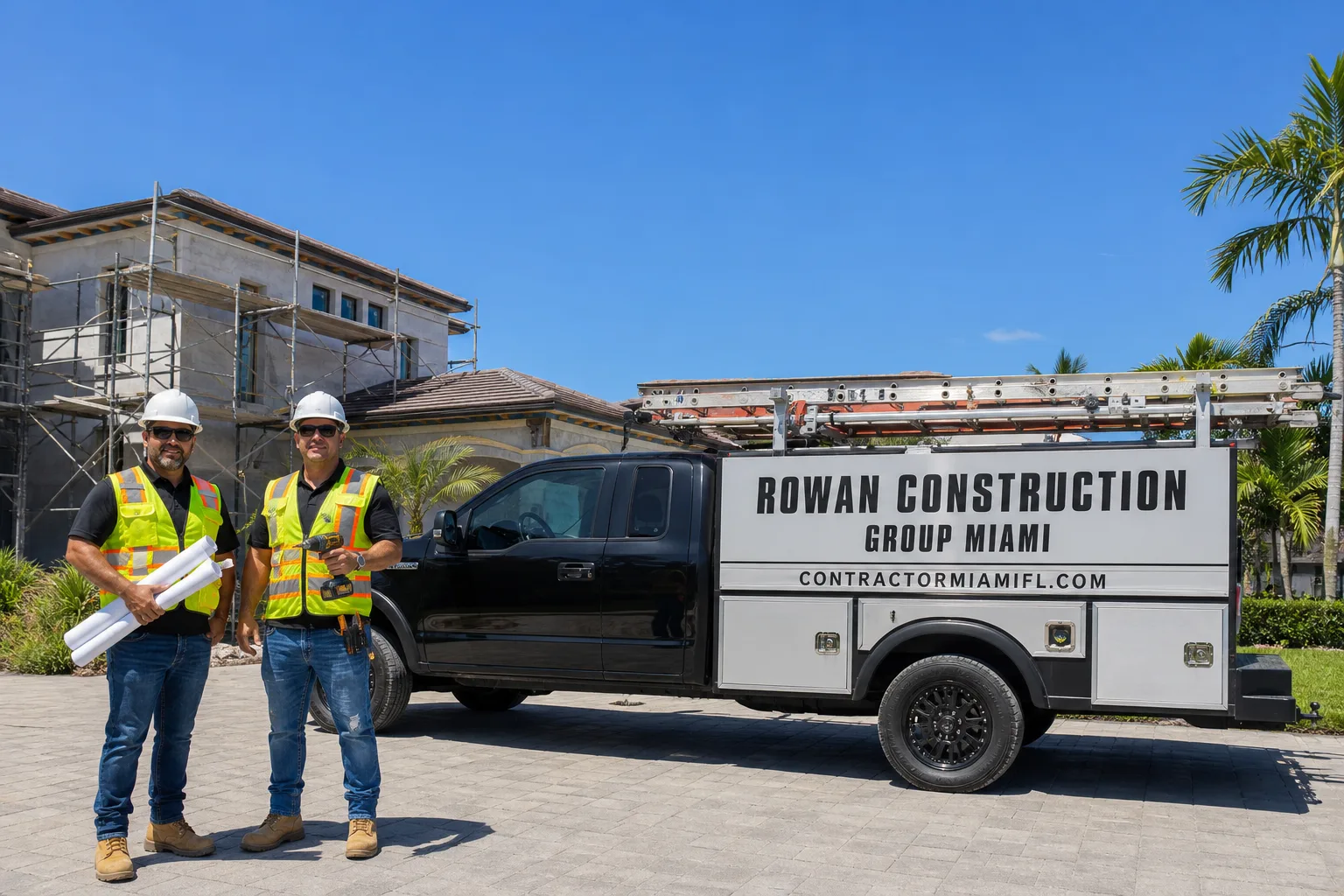
Free written scope consultation - allowances, timeline, and change-order rules on paper before a single trade is scheduled
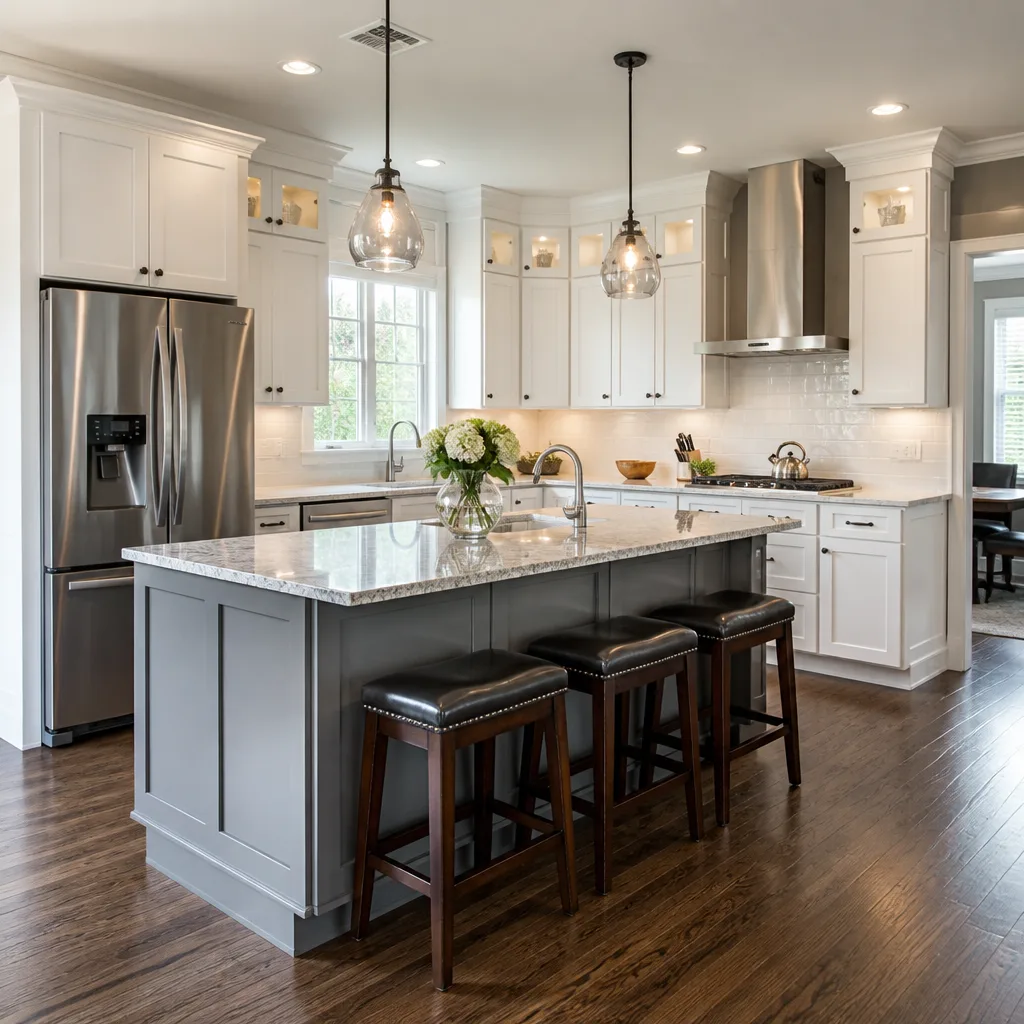
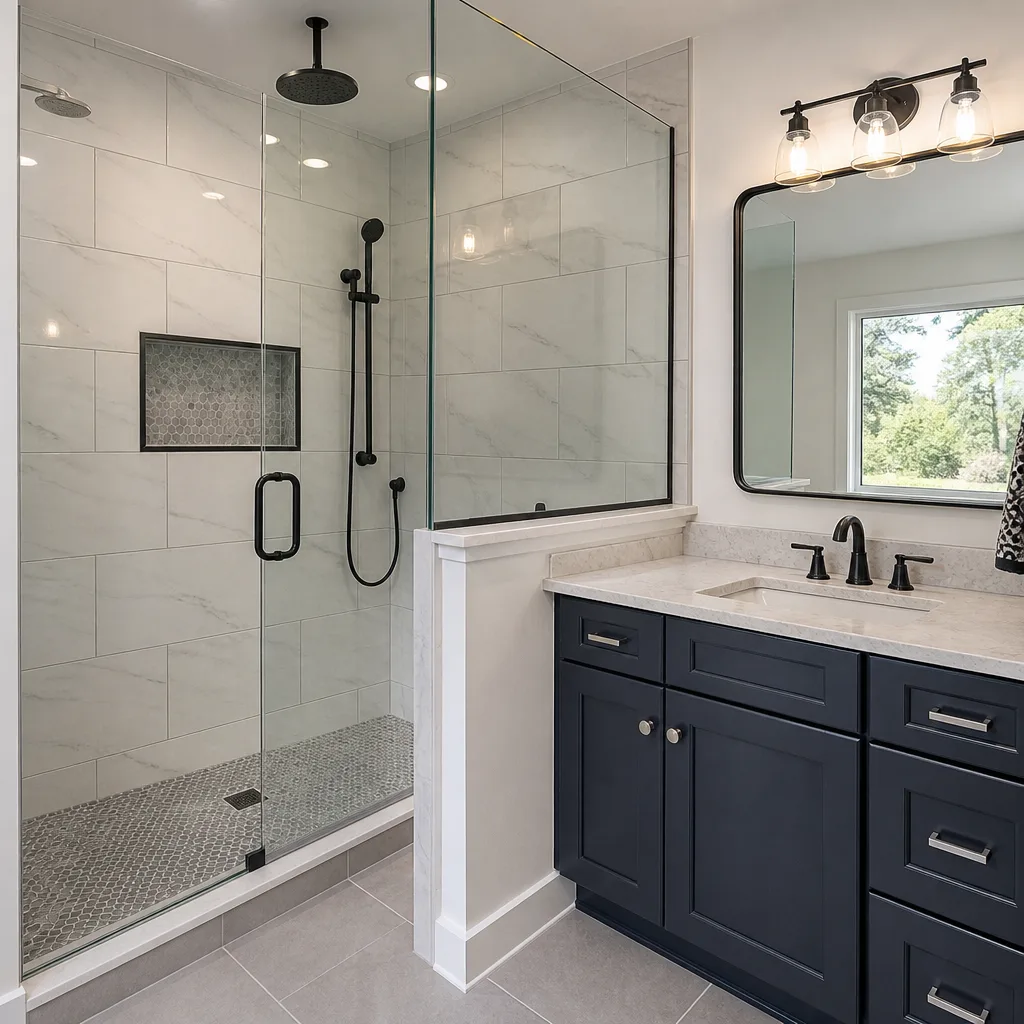
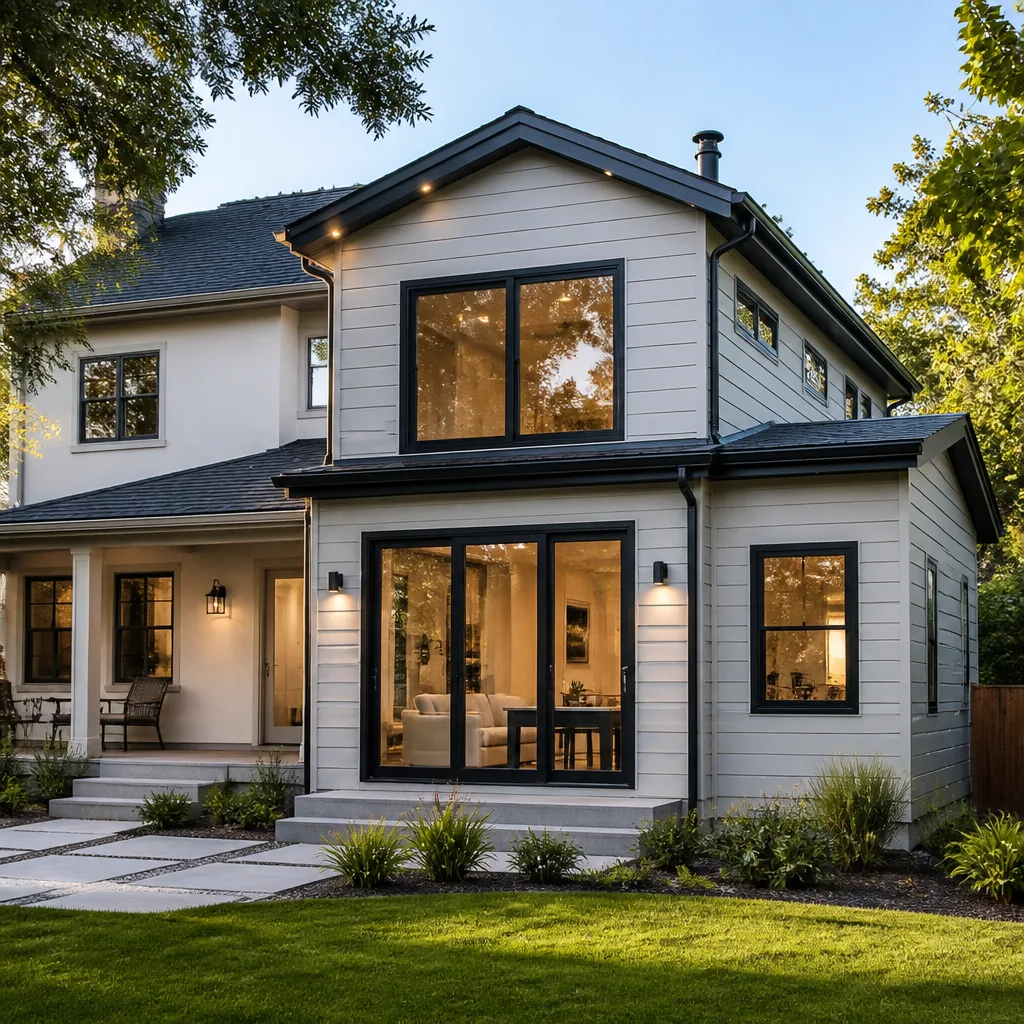
 Before
 After
After Before
 After
After Before
 After
AfterHow Much Does Roof Replacement Cost in Miami?
Roof replacement in Miami typically costs between $9,440 and $23,600 for a standard single-family home, with most projects landing around $14,000 to $17,000 once labor, materials, and permit fees are factored in. The wide range exists because Miami roofs face conditions that most of the country doesn’t: hurricane-code compliance, high humidity, intense UV exposure, and insurance carrier requirements that can specify particular shingle classes or underlayment types. We’ll break down every variable below so you can read a contractor’s quote line by line and know what you’re looking at.
Roof Replacement Cost Breakdown (2026)
The number that matters is the all-in price – materials, labor, tearoff, disposal, permits, and the code-required secondary water barrier (also called a peel-and-stick underlayment). Below is how a typical Miami roof replacement breaks into its parts. These reflect current Miami-Dade market pricing as of 2026.
| Line Item | Typical Range | Notes |
|---|---|---|
| Architectural asphalt shingles (installed) | $9,440 – $14,750 | GAF Timberline HDZ or Owens Corning Duration; most common Miami replacement |
| Metal roof (standing seam or exposed-fastener panel) | $17,700 – $47,200 | Separate price guide for metal; significantly longer lifespan in salt-air environments |
| Concrete or clay tile (installed) | $15,000 – $23,600 | Common in Coral Gables and Pinecrest; heavier, may require structural review |
| Tearoff and disposal (one layer) | $1,180 – $2,360 | Miami-Dade prohibits more than one shingle layer, so tearoff is always required |
| Secondary water barrier (peel-and-stick underlayment) | $590 – $1,180 | Required by Florida Building Code in HVHZ (High Velocity Hurricane Zone) |
| Decking repair (per sheet of plywood or OSB) | $85 – $180 per sheet | Moisture damage in Kendall and Homestead crawlspaces often adds 5-15 sheets |
| Miami-Dade building permit | $350 – $750 | Required on all full replacements; Rowan pulls this as part of the written scope |
| Ridge vent, drip edge, and flashing | $400 – $950 | Galvanized or aluminum; salt-air environment rules out bare steel |
| Gutter tie-in or replacement (if needed) | $600 – $2,200 | Quoted separately; not always required but often addressed at the same time |
The line items that surprise most Miami homeowners are the permit fee and the secondary water barrier. Every full replacement in Miami-Dade County falls inside the High Velocity Hurricane Zone (HVHZ), which means the Florida Building Code requires a continuous peel-and-stick underlayment beneath the primary roofing material. That layer runs $590 to $1,180 and is not negotiable if the job is going to pass inspection – and a job that doesn’t pass inspection creates problems when you sell the home or file a claim. At Rowan Construction Group, the written quote includes the permit as a named line item. Under Clause 1 of the Haven Standard, no number is a surprise because every number is written down before anyone picks up a tool.
Flat roofs, which are common on mid-century ranch homes in Westchester and Miami Springs, use a different system entirely – typically a torch-down modified bitumen membrane or a TPO (thermoplastic polyolefin) single-ply system. Those typically run $8,000 to $16,500 for a 1,500- to 2,000-square-foot deck and are quoted separately from pitched-roof work.
What Affects Roof Replacement Pricing in Miami
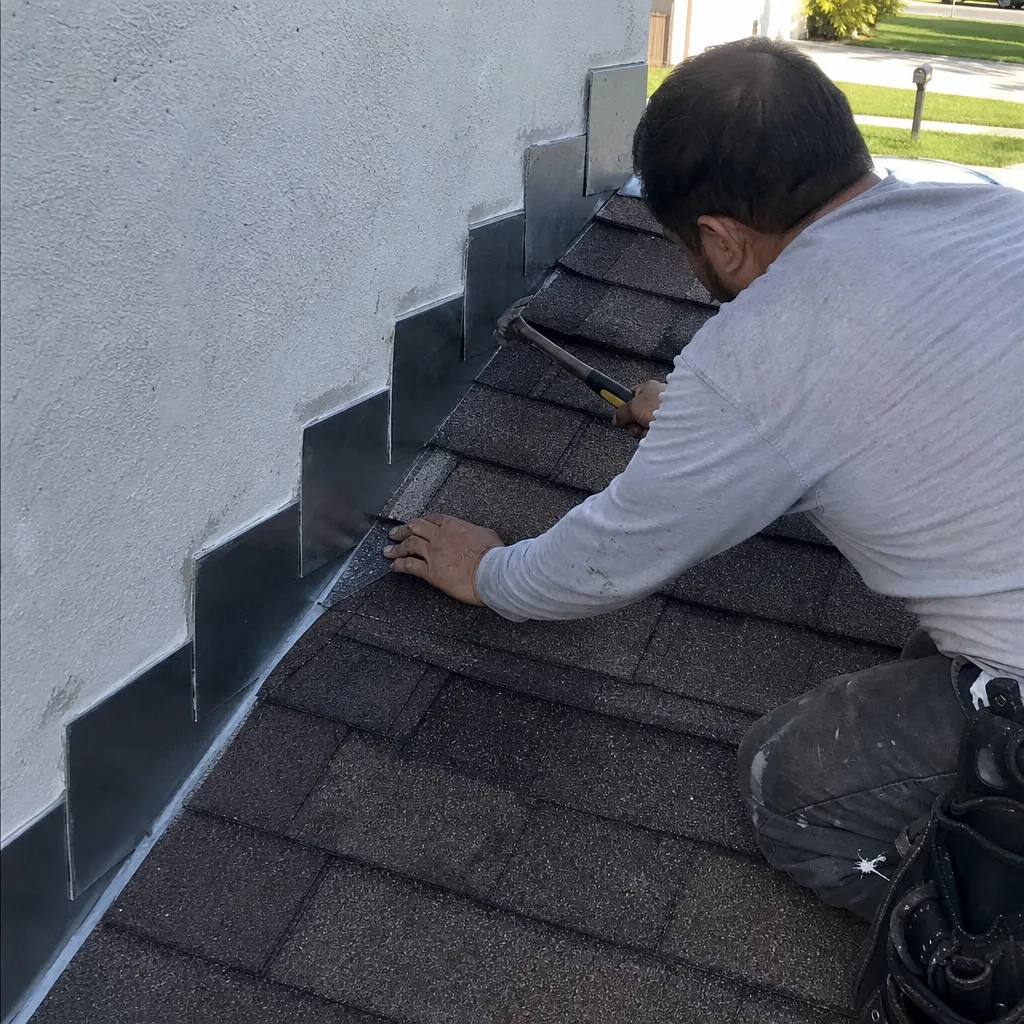
- Roof size and pitch. Cost is calculated by the square (100 sq ft). A 1,500-square-foot home might have a 1,800- to 2,200-square-foot roof once pitch is calculated – steeper slopes require safety rigging, slow down the crew, and cost more per square. A 7:12 pitch in The Roads neighborhood costs noticeably more per square than a 3:12 ranch in Cutler Bay.
- Material choice. GAF Timberline HDZ architectural shingles (Class 4 impact-rated) and Owens Corning Duration series are the two most common choices in Miami because major insurance carriers recognize them for premium discounts. Tile roofs common in Coral Gables and South Miami cost more per square but tend to hold resale value in those zip codes better than shingles.
- Number of existing layers. Miami-Dade County ordinance limits roofs to a single layer. If your home has an old shingle layer that was never torn off – something we often find in homes built before 1994 in Hialeah and West Miami – tearoff is mandatory and adds cost. We document the existing layer count in the photo record before quoting.
- Decking condition. Miami’s combination of summer humidity and afternoon thunderstorms creates ideal conditions for plywood deck rot, particularly at the eaves and around roof penetrations. We cannot see every sheet until the old material comes off. Our written quotes include an estimated deck repair allowance as a line item so you’re not handed a surprise invoice mid-project. If the deck is in better shape than estimated, the signed change order process keeps any adjustment honest and documented.
- Hurricane-code and insurance requirements. Since Hurricane Andrew (1992), Miami-Dade has maintained the strictest wind-load requirements in the continental United States. Every re-roofing project must use NOA-approved (Notice of Acceptance) materials tested to HVHZ standards. Some insurance carriers in Miami also specify a minimum roof-to-wall connection method (hurricane straps or clips), which can add $800 to $2,000 to a project if the existing strapping needs upgrading.
- Accessibility and obstructions. Homes with tile or barrel roofs that wrap around complex hip lines (common in Brickell, Coconut Grove, and Pinecrest estates) take longer to strip and re-deck than simple gables. Solar panels, skylights, satellite dishes, and multiple HVAC penetrations each add labor time and are quoted as individual line items, not buried in a lump sum.
- Time of year. Miami doesn’t have a traditional slow season the way northern markets do. However, scheduling ahead of hurricane season (June 1) often means faster permit inspection turnaround and better material availability. Demand spikes sharply after named storms, which historically pushes labor costs up 15 to 25 percent and extends lead times for HVHZ-rated materials.
BeforeAfterRoofing Materials Side by Side: Miami’s Real Options
Grant Rowan has been on thousands of Miami roofs since 2007, and the material conversation usually comes down to three options. Here’s what we see on the ground.
Architectural Asphalt Shingles (GAF or Owens Corning)
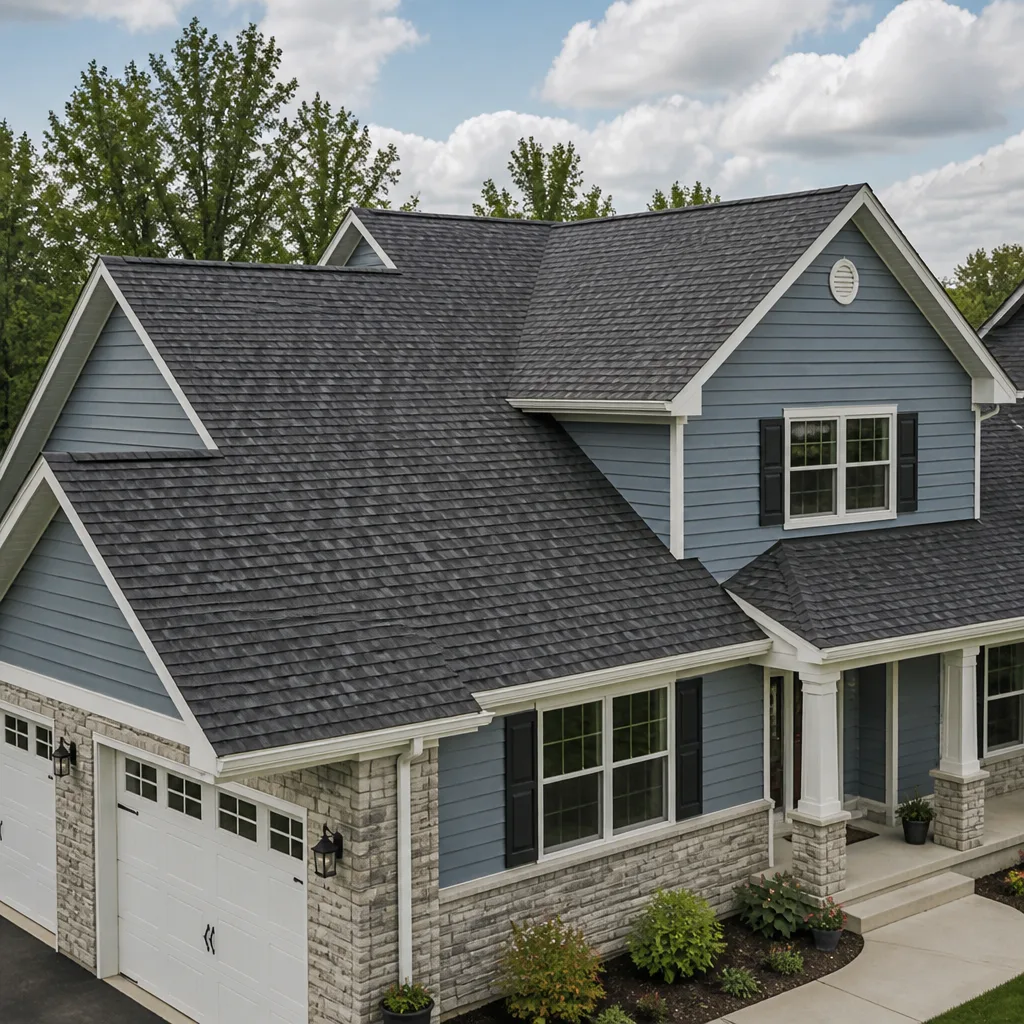
This is the most common replacement choice in Miami because the numbers work on multiple fronts. GAF Timberline HDZ shingles and Owens Corning Duration shingles both carry NOA approval for Miami-Dade, and several major insurance carriers offer meaningful premium reductions for Class 4 impact-rated shingles. Expected lifespan in Miami’s climate runs 18 to 25 years rather than the 30-year rating on the package – UV intensity and heat cycling shorten that window. For most homes in Kendall, Doral, Hialeah, and west Miami suburbs, architectural shingles offer the best cost-to-lifespan ratio.
Concrete and Clay Tile
Standard in Coral Gables, Pinecrest, and certain Palmetto Bay neighborhoods, tile roofs run $15,000 to $23,600 installed. They handle Miami’s UV exposure and salt air better than asphalt, and a well-installed tile roof can last 40 to 50 years. The tradeoff is weight: concrete tile typically weighs 9 to 12 pounds per square foot. Before quoting a tile replacement on an older home, we review the structural framing to confirm it can carry the load – this is not a step to skip on a 1960s Miami Springs ranch.
Metal Roofing
Metal is becoming more common in coastal Miami neighborhoods like Coconut Grove, South Beach, and Key Biscayne – partly for aesthetics, partly because standing-seam metal handles hurricane-force wind loads extremely well and eliminates shingle blow-off. The installed cost ($17,700 to $47,200 depending on panel type and profile) is higher upfront, but a properly installed metal roof in Miami can last 40 to 60 years with minimal maintenance. For full details and pricing on metal, see our Roof Replacement in Miami service page.
Miami-Specific Code Details You Should Know Before Signing a Contract
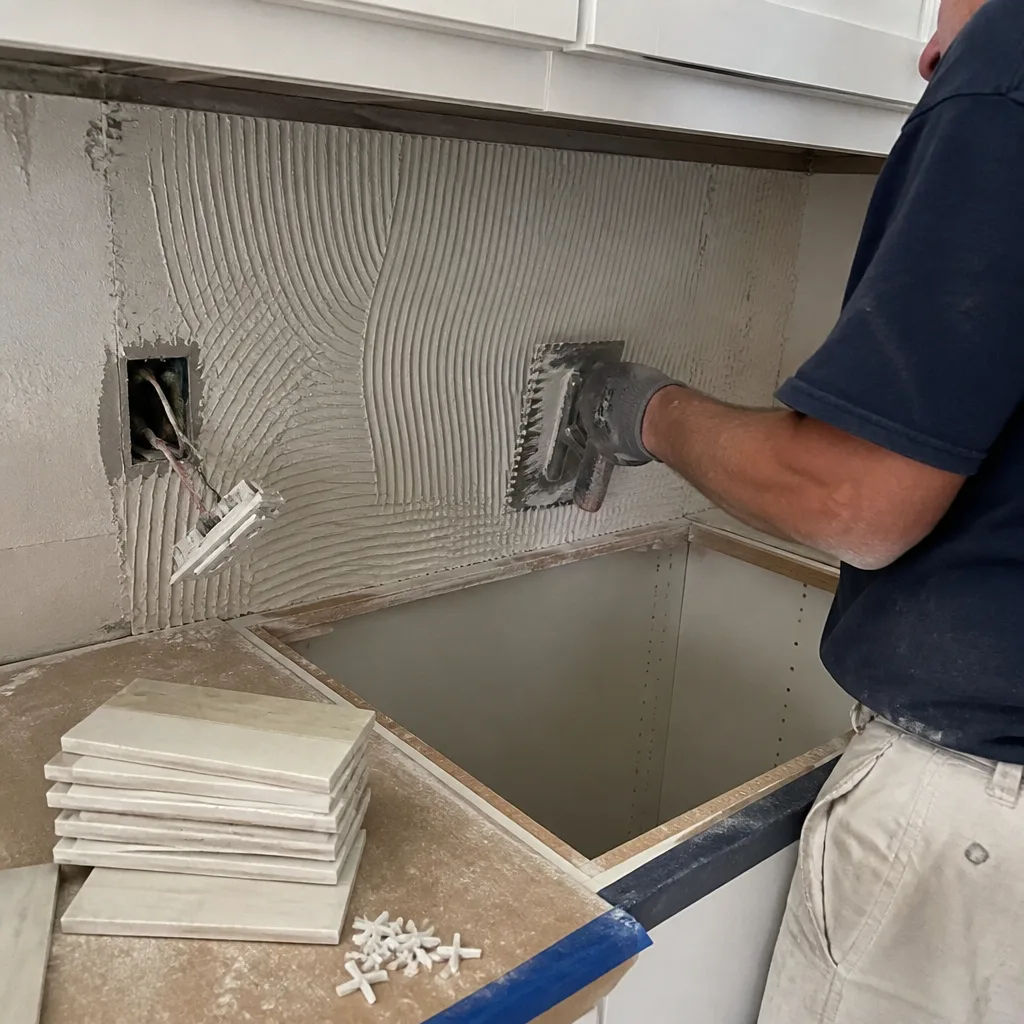
Miami-Dade’s HVHZ classification isn’t just a bureaucratic label – it has real dollar and scope consequences that not every roofing contractor explains upfront. Here’s what the code actually requires on a full replacement, so you can verify that any quote you receive covers these items.
- NOA-approved materials only. Every material – shingles, tile, underlayment, fasteners – must carry a Miami-Dade Notice of Acceptance. A contractor using non-approved materials fails inspection and creates a liability for the homeowner at resale or claim time.
- Secondary water barrier. A continuous peel-and-stick self-adhering underlayment is required under the primary roofing material. This is what keeps water out of the structure if shingles are lost in a storm. If a quote omits this line item, ask specifically whether it’s included.
- Permit and inspection. A full roof replacement requires a permit pulled with Miami-Dade Building Department and a final inspection sign-off. A roof replaced without a permit creates an uninsured gap – most carriers will deny a storm claim on an unpermitted roof. At Rowan, permit pull is included in the written scope; we don’t treat it as optional.
- Single-layer limit. Miami-Dade prohibits installing new roofing over an existing layer. Full tearoff is always required, which is standard in our quotes.
- Hurricane strap documentation. Since 2004, Florida’s home insurance market has rewarded roof-to-wall connections. If your home’s hurricane straps are substandard, replacing them at tearoff time is significantly cheaper than a standalone project. We document strap condition in the photo record as a standard deliverable.
How to Save on Roof Replacement in Miami
The honest answer is that code-compliant roofing in Miami doesn’t have much slack in it. NOA-approved materials, permits, secondary water barriers – these aren’t upsells, they’re the minimum. But there are places where preparation and timing genuinely affect the final number.
Get a second opinion on any written estimate
Rowan Construction Group offers a free second-opinion review on any written estimate you’ve received. Bring the competitor’s quote and Grant Rowan will review it line by line at no charge – identifying what’s included, what’s missing, and where the numbers look out of range for Miami’s 2026 market. This is a standing offer, not a promotional event. Call (786) 321-4970 to schedule it.
Address it before storm season, not after
Post-storm demand in Miami historically raises shingle and labor costs 15 to 25 percent and extends material lead times. If your roof has five or fewer years of life left, replacing it before June 1 is the straightforward financial decision. An inspection now costs nothing and gives you a documented baseline.
Combine work when the crew is already on-site
If your gutters are aging, your fascia shows rot, or your attic ventilation is undersized (a common finding in Westchester and Flagami homes built in the 1970s), addressing these at tearoff time costs a fraction of what a return visit would. We quote add-ons as separate signed line items – no buried labor.
Ask about insurance carrier credits before choosing a material
Several major carriers doing business in Florida offer meaningful premium reductions for Class 4 impact-rated shingles or metal roofs. A $1,200 annual premium reduction over 20 years is $24,000 – which changes the math on a higher-cost material. Your insurance agent can run this before you finalize the material choice.
Understand what a low quote is actually omitting
In Miami’s competitive roofing market, quotes that come in significantly below the ranges on this page are usually missing the permit, the secondary water barrier, or are using non-NOA materials. A permitted job with a complete photo record and a final inspection sign-off costs more upfront and is worth every dollar of it when a claim is filed. Rowan’s written quotes are flat prices with a written scope – every line item named, nothing bundled into a vague “installation” charge.
What the Rowan Construction Group Process Looks Like
The sequence matters as much as the price, so here’s exactly what happens from first contact to final inspection.
- Free estimate and photo inspection. A uniformed, background-checked crew member inspects the roof, documents every finding with photos, and notes deck condition, shingle layer count, strap condition, and penetration details. You get those photos as a standard deliverable – not a courtesy, a documented record of what exists before we touch anything.
- Written flat price with full scope. Under Clause 1 of the Haven Standard, the written price is delivered before any work starts. The scope names every material (brand and spec), every code item, and every permit fee. There is no “call for a quote” step at Rowan – you get a number you can screenshot and compare.
- Permit pull. Rowan pulls the Miami-Dade permit. You don’t manage this; it’s in the written scope. Inspection scheduling is our responsibility.
- Tearoff, deck documentation, and material delivery. As existing layers come off, we photograph deck condition. If additional repair is needed beyond the estimate, a signed change order is required before any additional work proceeds. No one calls you with a verbal number and starts the work before you’ve agreed in writing.
- Installation and final inspection. Secondary water barrier goes down first, then primary roofing material, then ridge vent, drip edge, and flashing – in sequence, per Miami-Dade code. Final inspection sign-off is obtained and documented.
- 365-Day Done Right Promise. If it’s not done right, Rowan makes it right. This is the Haven Standard, printed on every page and backed by a terms page – not a handshake or a marketing line.
If you’d like more context on what the full service covers, the home page lays out all seven trades Rowan operates under the Haven Standard, including the written-scope and change-order system that applies to every one of them.
FAQs: Roof Replacement Cost in Miami
How much does roof replacement cost in Miami in 2026?
Roof replacement in Miami costs $9,440 to $23,600 for most single-family homes in 2026, with the midpoint around $14,000 to $17,000 for a standard architectural shingle replacement on a 1,500- to 2,500-square-foot home. Tile roofs run toward the top of that range and metal roofing starts above it at $17,700 to $47,200. Call (786) 321-4970 for a written estimate with exact numbers for your specific roof – estimates are free and delivered in writing before any work is scheduled.
Why does roof replacement cost more in Miami than in other Florida cities?
Three factors push Miami prices above state averages. First, Miami-Dade’s HVHZ designation requires NOA-approved materials that cost more than standard-grade roofing products. Second, the mandatory secondary water barrier (peel-and-stick underlayment) adds $590 to $1,180 that isn’t required in most non-HVHZ counties. Third, permit and inspection fees in Miami-Dade are higher than in most surrounding counties. A quote from a Tampa or Orlando contractor will look cheaper partly because those markets don’t carry these code requirements.
How long does roof replacement take in Miami?
Most single-family homes in Miami – 1,500 to 2,500 square feet, standard pitch – are torn off and re-roofed in one to two days of installation time. Permit processing through Miami-Dade Building Department typically takes three to seven business days before work can start. Complex hip roofs with multiple penetrations, or tile replacements on larger homes in Coral Gables or Pinecrest, can run three to four installation days. Rowan provides a specific schedule in the written scope so you know when to expect the crew.
Does homeowner’s insurance cover roof replacement in Miami?
Coverage depends on the cause and your policy terms. Storm damage from a named hurricane or wind event is typically covered; age-related wear and tear is typically not. Florida’s insurance market has tightened significantly since 2022, and many carriers have added exclusions or depreciation schedules for roofs over 10 years old. A Miami-Dade permit-pulled replacement with documented inspection records is the clearest paper trail you can provide an insurer. Rowan’s standard photo documentation on every visit – before, during, and after – exists partly for this reason.
Should I repair or replace my Miami roof?
Repair costs in Miami typically run $470 to $2,125 for isolated damage. If the damage covers more than 25 percent of the roof surface, or if the roof is within five to seven years of the end of its expected lifespan, replacement is usually the better financial decision – particularly because Miami-Dade re-roofing permits often trigger a full HVHZ compliance review that can make piecemeal repair more expensive than anticipated. A documented inspection gives you the actual condition data to make this call. Call (786) 321-4970 and we’ll document what we find before recommending either path.
What roof materials are approved for Miami-Dade County?
All roofing materials used in Miami-Dade must carry a Notice of Acceptance (NOA) issued by Miami-Dade Product Control. GAF Timberline HDZ, Owens Corning Duration, and several metal panel systems are among the most widely specified because their NOA approvals are current and recognized by major carriers. Unlisted or expired-NOA materials fail inspection and void most insurance claims. Every Rowan quote names the specific product and its NOA status as part of the written scope.
Key Takeaways
- Roof replacement in Miami runs $9,440 to $23,600 for most homes; metal roofing starts above that range.
- Miami-Dade’s HVHZ classification adds required costs – NOA-approved materials, secondary water barrier, permit – that don’t apply in most other Florida markets.
- A permit-pulled, inspected job matters at claim time and at resale. Never skip it.
- Deck repair, hurricane strap upgrades, and gutter work are the most common add-ons; Rowan quotes these as separate signed change orders, not verbal adjustments.
- Post-storm demand pushes Miami roofing costs up 15 to 25 percent. Replacing before June 1 typically saves money and time.
- Rowan Construction Group provides a written flat price, a documented photo record, and a free second opinion on any competitor’s written estimate.
Get a Written Estimate for Your Miami Roof
If you’re comparing quotes or trying to figure out whether your roof has another season left in it, the fastest answer is a documented inspection – not a ballpark number over the phone. Call Rowan Construction Group at (786) 321-4970 and we’ll schedule a free estimate with a full photo record. You’ll get a written price with a named scope before anyone touches your roof. That’s Clause 1 of the Haven Standard, and it applies on every project, every time.
Grant Rowan and the Rowan Construction Group team have been delivering written-scope roofing projects in Miami since 2007 – more than 4,000 jobs, every one of them quoted flat before work started and documented when the crew left.
Pricing reflects the Miami market as of 2026. Written estimates are free – call (786) 321-4970 or visit our Roof Replacement in Miami service page to learn more.
Written by Grant Rowan, Owner at Rowan Construction Group Miami, serving Miami, FL since 2007.
What Our Customers Say
"Driveway replaced properly with a base that will actually last. They explained why the cheaper quote was cheaper."
- Reggie O."Good communication throughout. Weekly written update meant I never had to chase them."
- Nadine G."Solid work, decent crew, and the site was left tidy every evening."
- Pearl A.