
Free written scope consultation - allowances, timeline, and change-order rules on paper before a single trade is scheduled
 Before
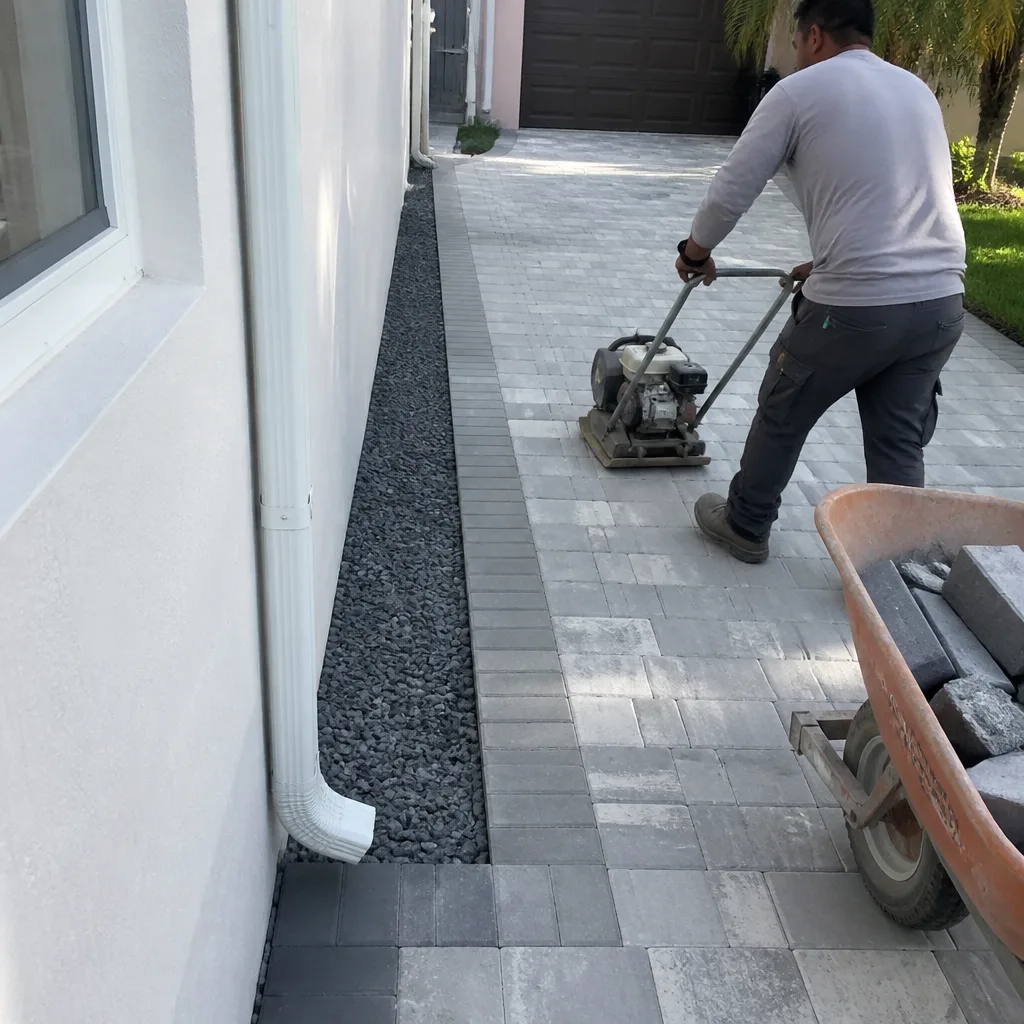 After
After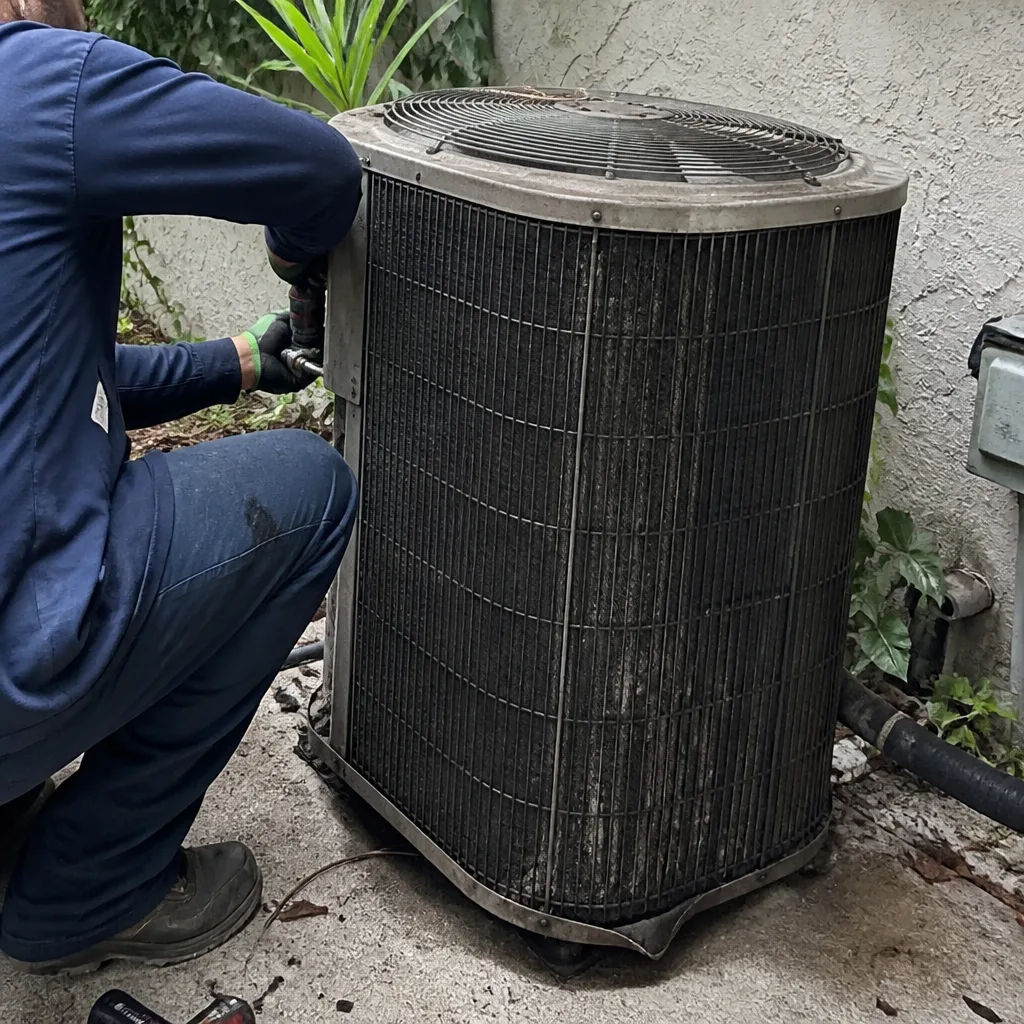 Before
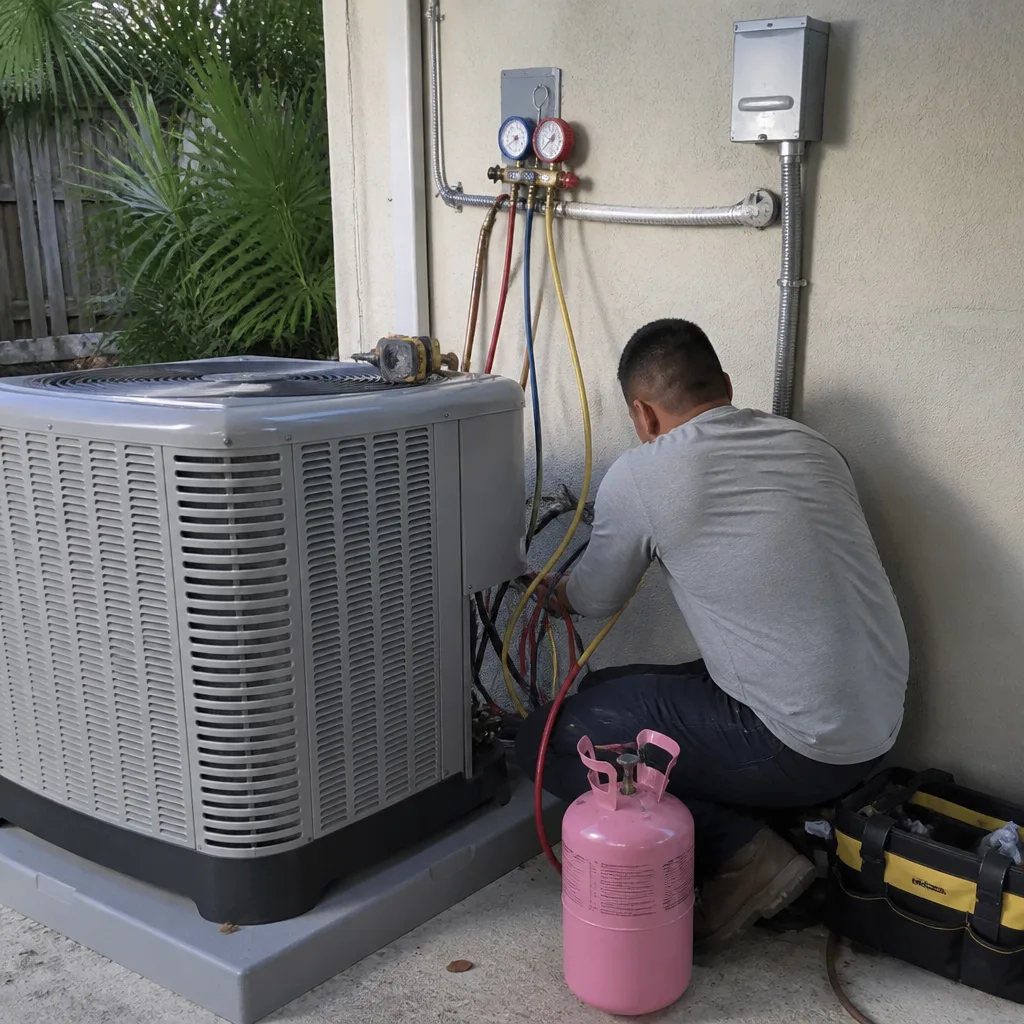 After
After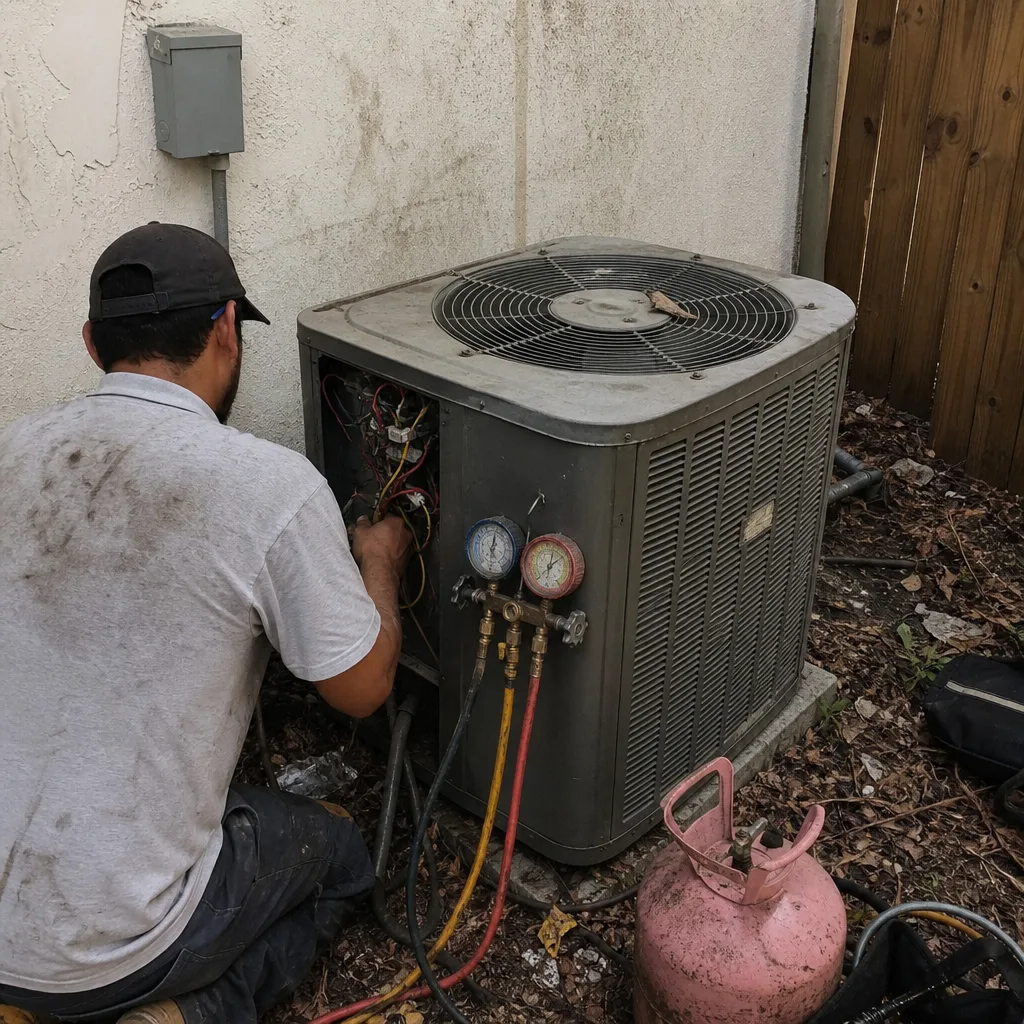 Before
 After
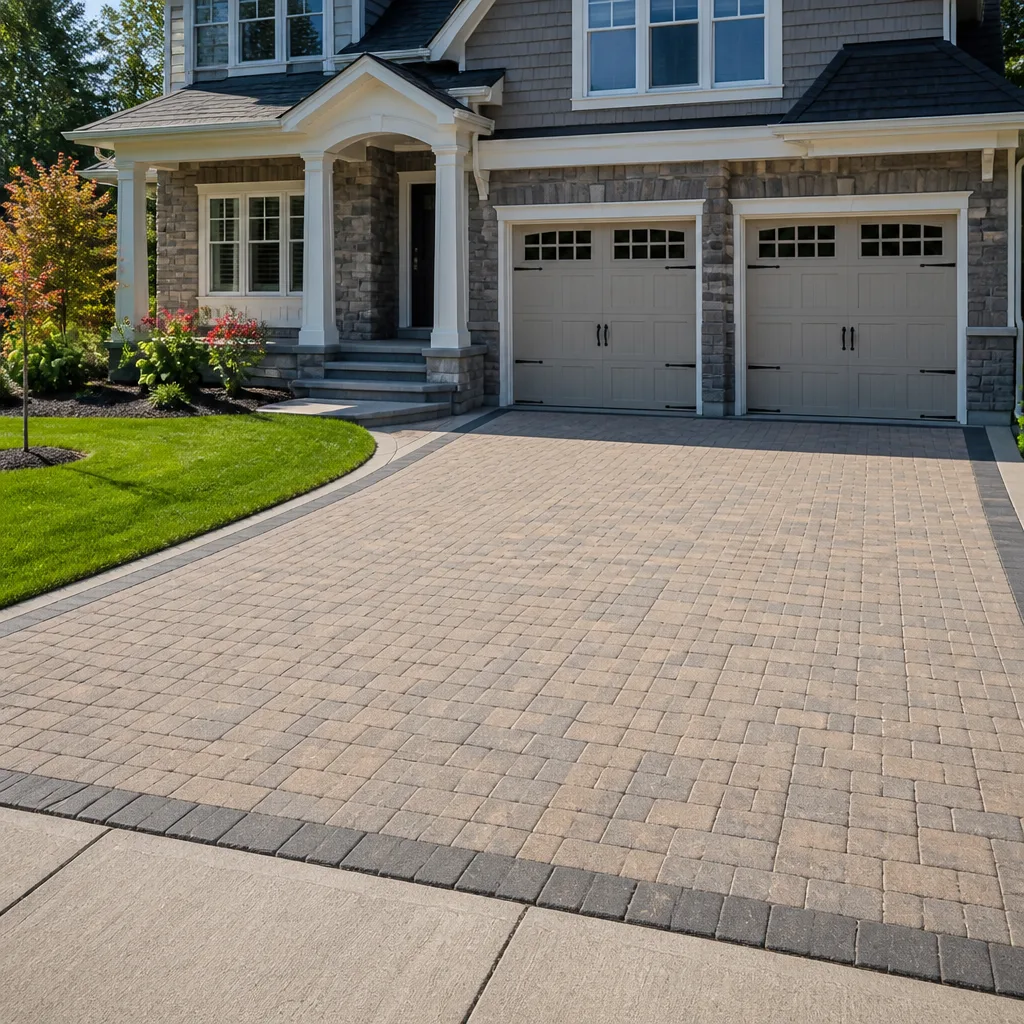
AfterAtlas Driveway & Pavers: The Miami Owner’s Guide
Atlas paver systems installed in Miami typically run $8,260-$21,240 for a full driveway replacement, and we stock Atlas-compatible edge restraints, leveling sand, and jointing compounds for same-day repair calls. Most Atlas failures we see in Miami aren’t the pavers themselves - it’s the edge restraint pulling away from the bedding layer after heavy rain, or joint sand washing out and letting the pattern drift. We carry the correct 8-foot rigid aluminum and flexible PVC edge profiles that match Atlas specs, plus polymeric sand rated for South Florida’s saturation cycles.
Rowan Construction Group Miami is an independent service provider - not affiliated with Atlas - and we’ve sourced Atlas-compatible materials since 2012.
Which Atlas Models This Applies To
Atlas produces several paver lines, but in Miami we most commonly service the Cambridge Cobble, Bergerac, and Dublin Cobble series, plus the commercial-grade Plaza Stone used in Coral Gables and Pinecrest driveways. The critical compatibility point is edge restraint height: Cambridge Cobble uses a 60mm paver, which needs a 2-inch (50mm) minimum edge profile, while Bergerac and Dublin run 80mm and need the 3-inch (75mm) rigid aluminum L-profile to prevent lateral spread.
Check the pallet label or the original invoice for the series name; if that’s gone, measure paver thickness at the edge where it’s unobscured by sand. We also verify bedding layer depth - Atlas specs call for 1 inch of coarse sand over 6 inches of compacted crushed concrete base in residential applications, though we’ve found older Miami installs (pre-2015) often skimped to 4 inches and failed faster. For OEM versus aftermarket, we use Atlas-specified polymeric sand (Techniseal NextGel or equivalent) but source edge restraints from Permaloc and PaveTech - same 6063-T6 aluminum alloy, faster delivery, and the savings go to the customer.
Signs Your Atlas Driveway & Pavers Is Failing
- Edge pavers tipping or sinking at the perimeter. The edge restraint has pulled away from the bedding layer, usually because the 12-inch spikes corroded in Miami’s alkaline soil or the PVC flexed in our heat. Once the restraint goes, the bedding sand migrates and the pattern loses its lock.
- Weeds growing between joints despite previous sealing. Joint sand has washed out, creating voids that collect organic matter. In Miami, this accelerates after summer storms when polymeric sand breaks down from repeated saturation without proper curing time.
- Pavers rocking underfoot or sounding hollow. The bedding layer has eroded or compacted unevenly, often from water pooling due to insufficient slope (Atlas specs 1.5% minimum, but flat spots develop in low-lying Miami lots like those in Coconut Grove).
- Surface staining that doesn’t power-wash clean. Iron-rich Miami groundwater or fertilizer runoff has reacted with the paver face, particularly on the lighter Bergerac colors. This is cosmetic but indicates sealant failure that will worsen.
- Pattern lines no longer straight; pavers shifting out of bond. The interlock has failed across the field, typically from joint sand loss combined with vehicle loading on a driveway that wasn’t built to ASTM C936 standards for vehicular traffic.
BeforeAfterReplacement Cost & What’s Included
For Atlas paver repair in Miami, partial restoration (edge restraint replacement, joint sand refill, spot re-leveling) runs $2,950-$7,670 depending on linear feet of edge and square footage affected. Full driveway replacement with new Atlas-compatible pavers falls in our standard $8,260-$21,240 range, driven by three factors: paver series (Cambridge Cobble costs less per square foot than Bergerac), base repair depth (bringing a failed 4-inch base to 6-inch spec adds material and compaction time), and access (tight lots in Miami Beach or Coral Gables need mini-excavator work).
Every quote is a flat written price with line-item breakdown - paver cost per square foot, base material, edge restraint linear footage, polymeric sand by the bag, and labor hours - delivered before work starts. Under Clause 1 of the Haven Standard, that number doesn’t change unless you sign a change order. Our 365-Day Done Right Promise covers the workmanship, and the documented photo record shows bedding depth, compaction passes, and final joint fill before we leave.
DIY or Call Us?
There’s safe checking, and then there’s work that needs the right compaction and slope verification.
What you can do: verify the paver series from leftover pallets or photos, measure the affected area, and check for standing water 30 minutes after rain - that tells us if the slope failed. What goes wrong fast in DIY: resetting pavers without plate-compacting the base in 6-inch lifts, using play sand instead of ASTM C33 coarse concrete sand, or skipping edge restraint anchoring at the proper depth. Miami’s water table and limestone substrate mean drainage mistakes show up in months, not years. And polymeric sand application requires a 24-hour dry window we rarely get in summer - we’ve had to re-do homeowner installs where rain hit two hours after sanding.
We carry Atlas-compatible edge restraints, correct bedding sand, and Techniseal NextGel on our trucks. Call (786) 321-4970 and we’ll measure twice, write it down, then build it.
FAQs
Atlas pavers rated to ASTM C936 typically last 25-30 years in Miami’s climate, but we’ve seen joint sand fail in 5-7 years and edge restraints corrode in 8-12 years due to soil alkalinity and salt air exposure. The pavers themselves usually outlast the installation system. Call (786) 321-4970 for a condition assessment - estimates are free.
Yes, if the base is intact and the failure is isolated to edge restraint, joint sand, or surface settlement under 3/4 inch. We lift the affected pavers, regrade and compact the base, reinstall with new bedding sand, and reset. If the base has washed out across more than 30% of the area or the original install lacked proper depth, replacement is more economical long-term. Call (786) 321-4970 and we’ll show you the photo record of what we find.
Partial edge and joint repair on a standard two-car driveway takes 1-2 days, including cure time for polymeric sand. Full replacement runs 3-5 days: excavation, base installation in compacted lifts, screeded bedding layer, paver laying, cutting, and final compaction with sand sweep. We don’t rush the compaction - it’s what prevents the callbacks. Call (786) 321-4970 to schedule.
We stock Permaloc and PaveTech edge restraints in both 2-inch and 3-inch profiles, ASTM C33 bedding sand, and Techniseal NextGel polymeric sand - all Atlas-compatible and cross-matched to the series we find on site. For paver replacement, we source from local distributors with next-day delivery on Cambridge Cobble, Bergerac, and Dublin Cobble in standard colors. Call (786) 321-4970 to confirm color match availability.
Written by Grant Rowan, Owner, Rowan Construction Group Miami at Rowan Construction Group Miami, serving Miami and nearby areas.