
Free written scope consultation - allowances, timeline, and change-order rules on paper before a single trade is scheduled
 Before
 After
After Before
 After
After Before
 After
AfterPlant Prefab Home Additions & ADU: The Miami Owner’s Guide
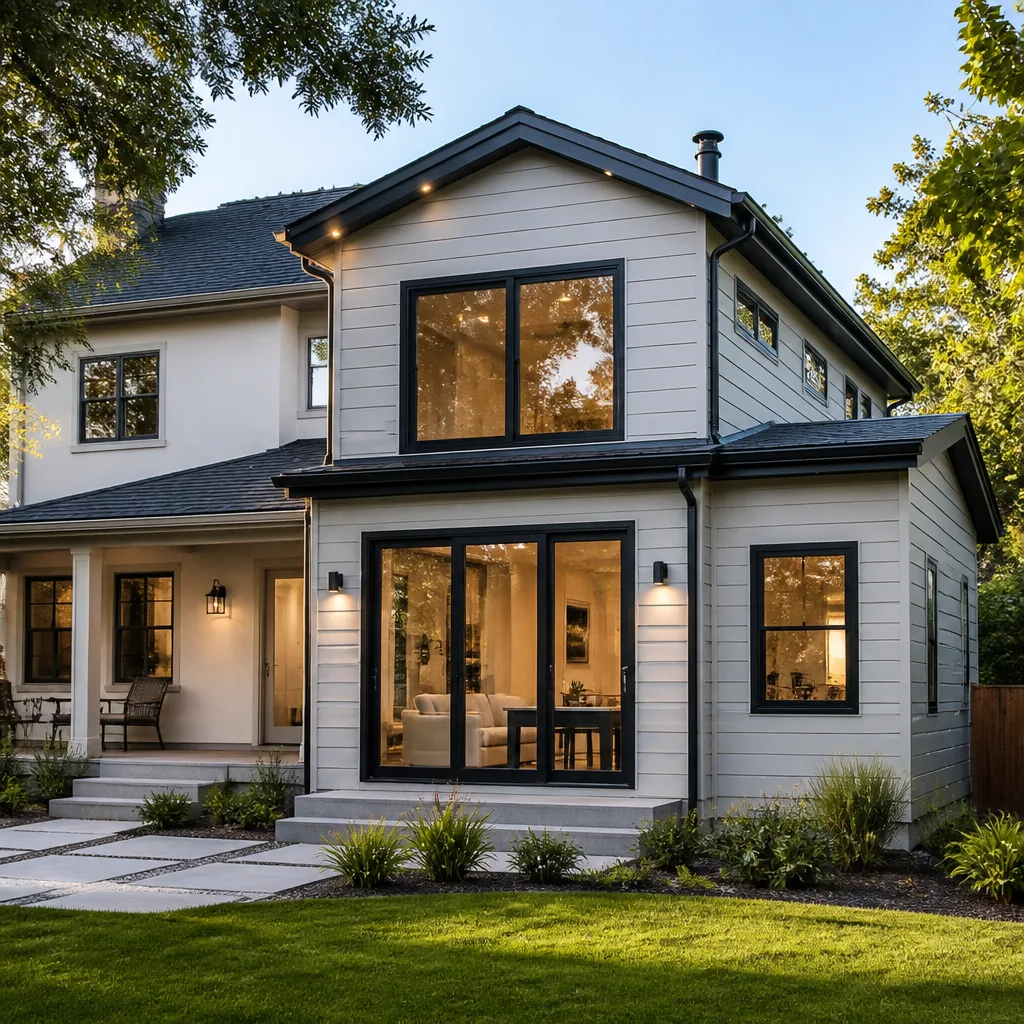
Plant Prefab home additions and ADU construction in Miami typically runs $53,100 to $153,400 for a full addition, with ADU construction specifically ranging from $106,200 to $259,600 depending on square footage, foundation type, and whether you’re connecting to existing utilities or running new lines. We stock and install Plant Prefab-compatible structural components, connection hardware, and weather-sealing systems for Miami’s coastal conditions, with most assessments scheduled within 48 hours. Most owners discover an issue when they notice settling cracks at the addition-to-existing seam, water intrusion after a storm, or doors that no longer close square in the new space.
Which Plant Prefab Models This Applies To
Plant Prefab builds under several product lines, and the connection details vary significantly. The LivingHome series uses steel moment frames with bolted connections, while the LivingHome ADU line employs a lighter gauge steel chassis with wood infill and specific thermal-break detailing at the foundation interface. The LivingHome 10 and LivingHome 11 single-story additions share a common foundation anchor pattern, but the two-story LivingHome 20 requires heavier hold-down hardware that is not interchangeable.
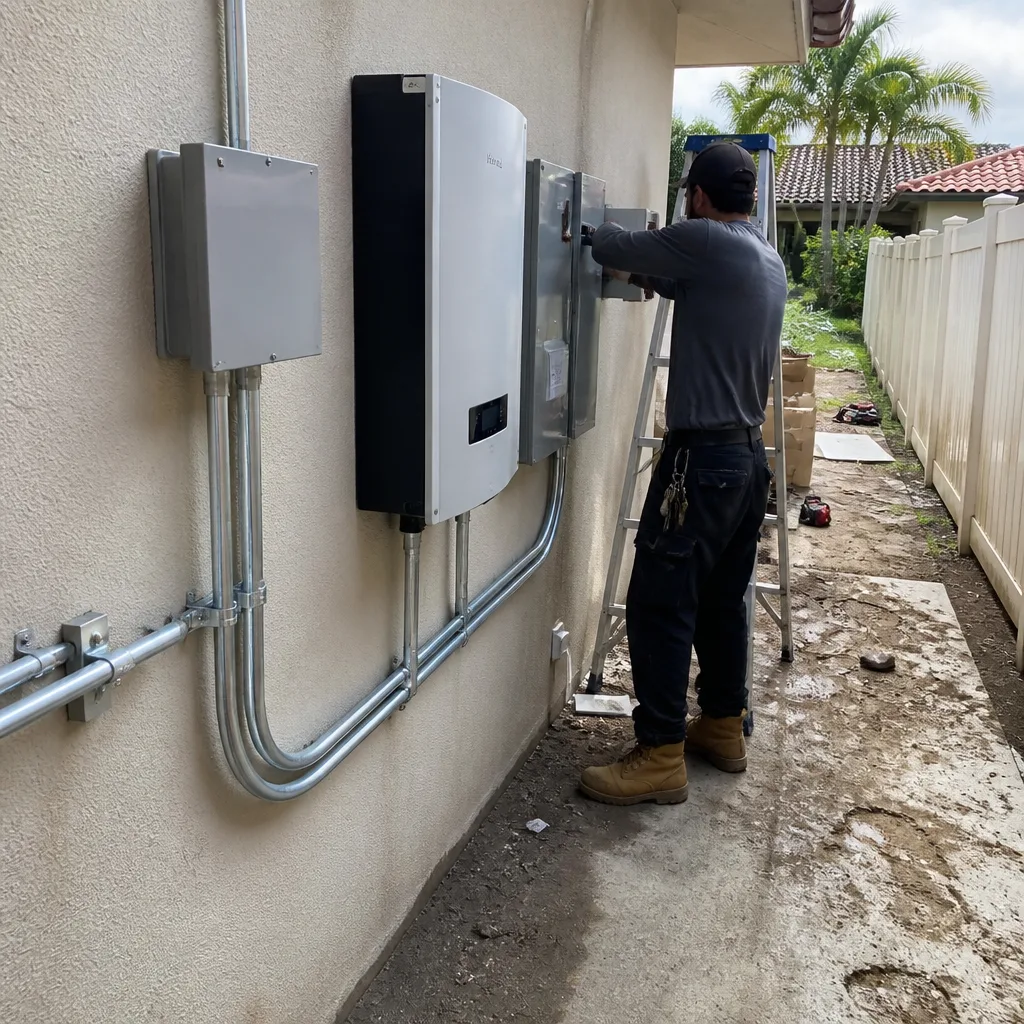
To identify your specific system, check the metal data plate mounted on the electrical panel or the structural drawings stamped into the permit set, typically found in a weatherproof tube near the main disconnect. The model designation, production week, and plant location (Rialto, California for most units delivered to Miami) will be listed there. OEM connection hardware from Plant Prefab is galvanized to a higher spec than standard Simpson Strong-Tie equivalents, which matters in Miami’s salt-air environment where we’ve seen off-brand hold-downs develop surface rust within 18 months. We stock both OEM and marine-grade aftermarket equivalents rated for South Florida exposure categories, and we’ll show you the difference before ordering.
Signs Your Plant Prefab Home Additions & ADU Is Failing
- Cracks running diagonally from window corners or at the addition-to-existing wall junction. These indicate differential settlement or inadequate connection between the prefab module and the existing structure, often because the foundation was poured without proper soil compaction in Miami’s limestone substrate or because the hold-down bolts loosened during the first few seasonal cycles.
- Water staining on interior ceilings or walls after rain, especially near the roof valley where the addition meets the original roof. Plant Prefab units ship with pre-installed roof membranes, but the field-sealed joint at the existing structure is the weak point; Miami’s driving rain from summer thunderstorms will find any gap in the flashing or sealant termination.
- Doors or windows that stick, rub, or won’t latch properly. This signals frame racking, which in a prefab addition usually traces to either foundation movement or the steel chassis flexing because connection bolts were not torqued to spec during installation.
- Musty odor or visible mold in the addition’s corners or along the base of exterior walls. Plant Prefab’s closed-cell spray foam insulation performs well when intact, but if the weather barrier was compromised during crane placement or if the vapor barrier detail failed at a penetration, Miami’s humidity will saturate the assembly.
- Exterior siding panels pulling away from trim or revealing gaps at corners. The fiber-cement cladding Plant Prefab uses is dimensionally stable, but the trim and fastening pattern must accommodate thermal movement; in Miami’s heat, improper fastener spacing or missing expansion gaps will cause buckling or pull-away.
BeforeAfterReplacement Cost & What’s Included
Plant Prefab home addition and ADU work in Miami falls within our standard ranges: full additions at $53,100-$153,400 and dedicated ADU construction at $106,200-$259,600. What drives the spread is straightforward: square footage, whether we’re pouring a stem-wall foundation or using helical piers on fill soil, utility extension distance, and finish level. A 400-square-foot one-room addition with basic finishes and shared utilities sits at the lower end; a 1,200-square-foot two-story ADU with full kitchen, independent electrical service, and impact-rated glazing pushes toward the top.
Our quotes are flat prices with written scope, delivered before any work starts. The number includes all parts, labor, permits, and inspections. Under Clause 1 of the Haven Standard, that written price is fixed; no change proceeds without a signed change order, which is the discipline that has kept our projects within a few percent of the agreed cost across 4,000-plus jobs since 2007. The 365-Day Done Right Promise covers the workmanship, and the documented photo record from every visit is included standard, not optional.
DIY or Call Us?
There’s a clear line here. An owner can safely inspect for the symptoms above, photograph cracks or stains for reference, and check whether the data plate is legible. What you should not attempt: tightening or replacing structural hold-down bolts (these are torqued to specific values with calibrated equipment), removing siding to investigate moisture intrusion (the weather barrier sequence is specific and easily compromised), or any work on the electrical or plumbing connections where the addition ties into the existing home.
Plant Prefab modules are engineered systems; altering one component without understanding the load path can void the structural warranty and create liability issues with your insurer. In Miami, where wind-load requirements are among the strictest in the country, an improper repair can fail catastrophically in a named storm. We carry the OEM and marine-grade hardware on our trucks, and our crews are background-checked, uniformed, and trained specifically on prefab connection details. Call (786) 321-4970 to schedule your free estimate.
FAQs
The steel chassis and structural connections are engineered for 50-plus years, but the weather-sealed joints and exterior finishes require attention every 7 to 12 years in South Florida’s UV and salt-air exposure. The roof membrane at the existing-to-addition transition is typically the first component to need service. Call (786) 321-4970 for an exact assessment - estimates are free.
Individual connection points, flashing details, or siding panels can almost always be repaired without disturbing the module itself. Full replacement is rare and usually only necessary if the foundation has failed or the module sustained impact damage during a storm. We evaluate the specific failure point and quote only what’s needed. Call (786) 321-4970 for a line-item review.
Most structural connection repairs and weather-sealing corrections run 2 to 5 business days once materials are on-site. Foundation-related work adds time for engineering and permit approval through Miami-Dade, typically 2 to 4 weeks. We stock common Plant Prefab connection hardware and keep marine-grade fasteners in our Miami warehouse. Call (786) 321-4970 to check current availability.
We stock the high-failure items: hold-down hardware, thermal-break shims, roof transition flashing, and marine-grade fasteners sized for Plant Prefab’s steel chassis. OEM siding panels and window units are special-order with a 3 to 6 week lead time from Rialto. We can install temporary weather protection while waiting. Call (786) 321-4970 to confirm what’s on hand for your model.
Written by Grant Rowan, Owner, Rowan Construction Group Miami at Rowan Construction Group Miami, serving Miami and nearby areas.