
Free written scope consultation - allowances, timeline, and change-order rules on paper before a single trade is scheduled
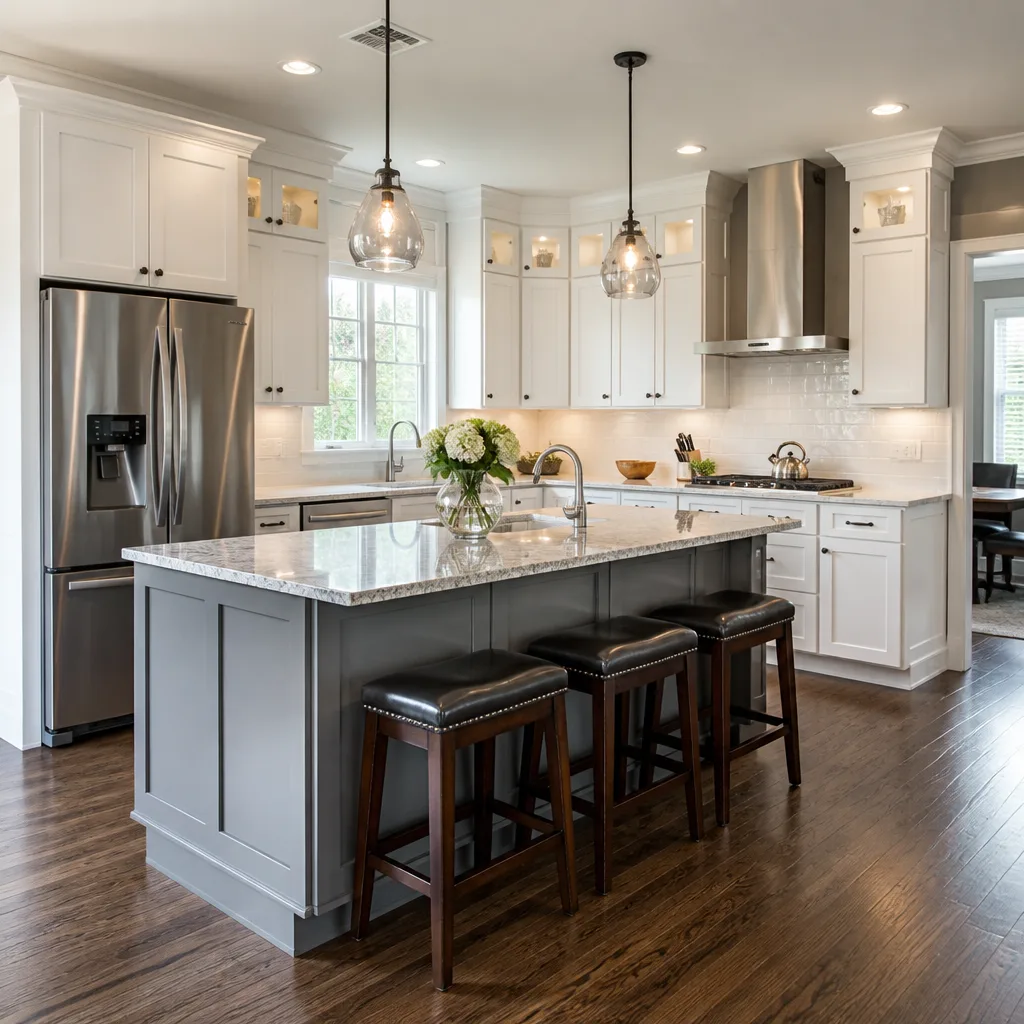
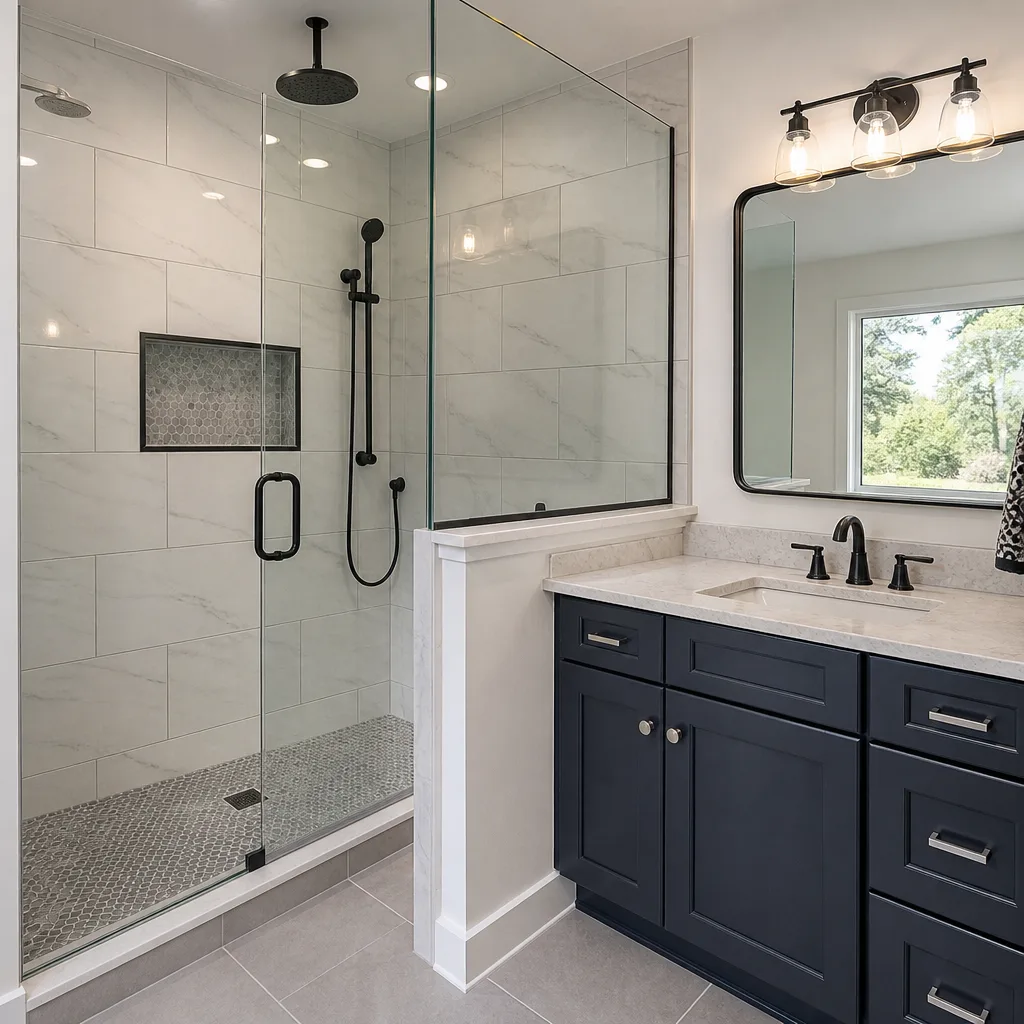
 Before
 After
After Before
 After
After Before
 After
AfterCGI Home Additions & ADU: The Miami Owner’s Guide
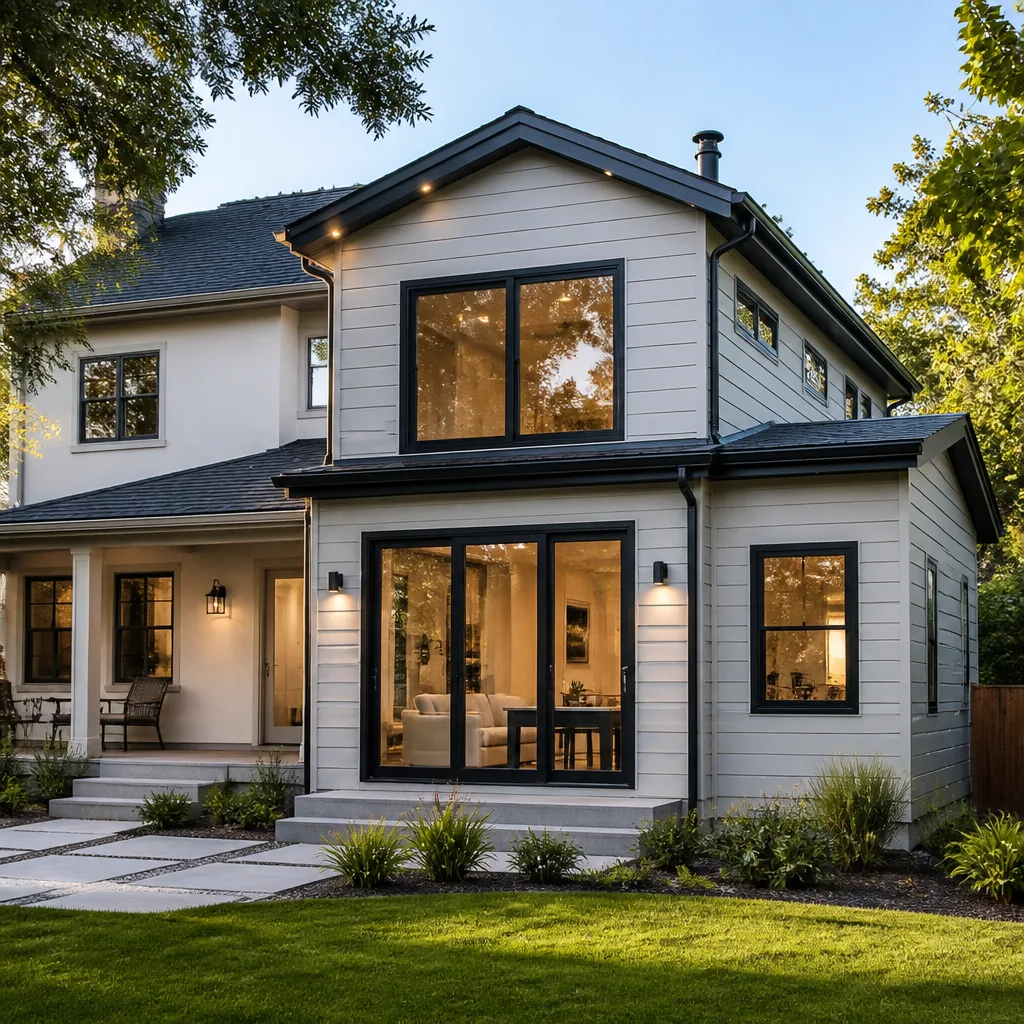
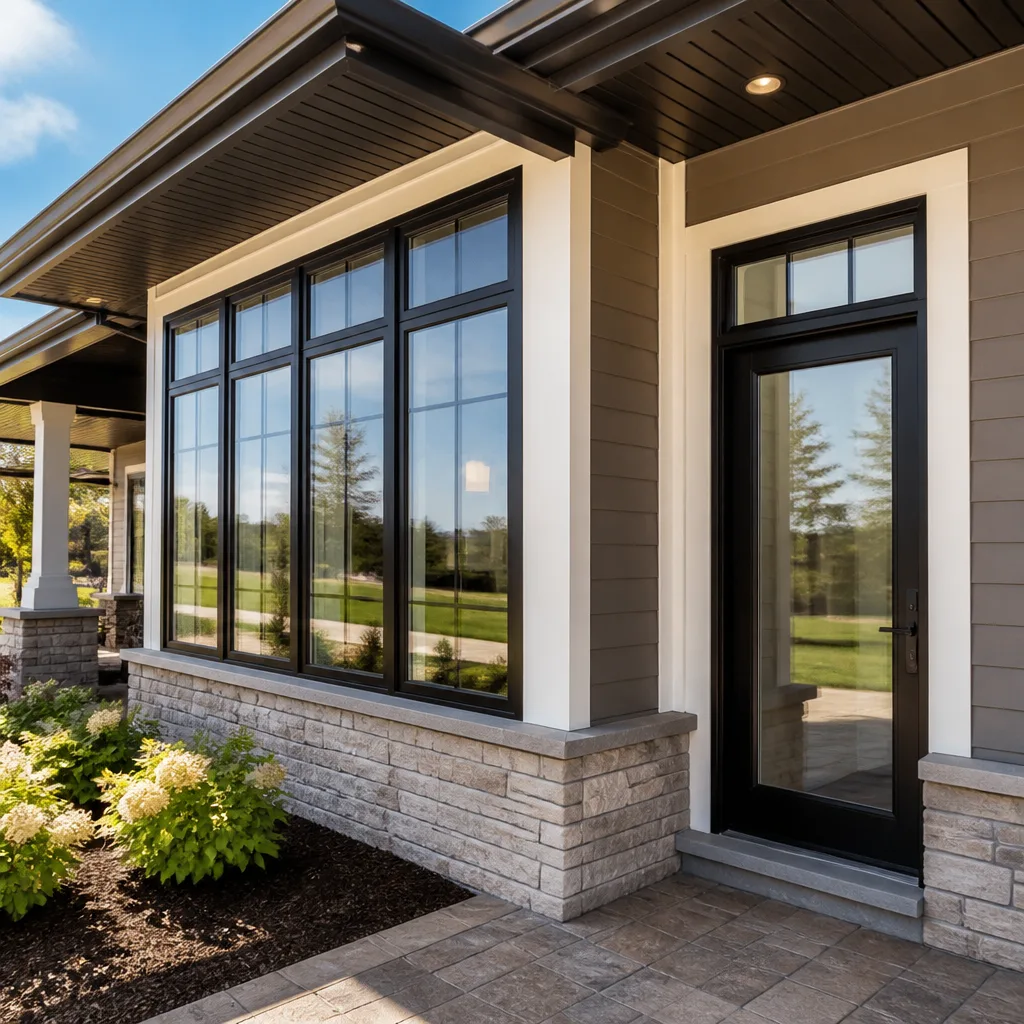
CGI-compatible home additions and ADU construction in Miami typically runs $53,100-$153,400 for a full addition, and $106,200-$259,600 for a detached ADU, depending on square footage, foundation type, and whether tie-in to existing HVAC is required. Rowan Construction Group Miami stocks specifications and framing hardware for CGI window and door integration on additions across Miami-Dade, and we carry the flashing, sealant, and structural connectors needed for same-day mobilization on most CGI-compatible projects. Most Miami homeowners discover their CGI opening is failing when they see water intrusion at the sill during our summer downpours, or when the impact-rated unit no longer seats flush after years of thermal cycling in the subtropical heat.
Which CGI Models This Applies To
CGI manufactures several product lines that integrate into home additions and ADUs, and matching the right specification matters for both code compliance and the wind-load rating your Miami permit inspector will check. The Estate Series, Sentinel Series, and Targa by CGI each use distinct frame depths and anchoring patterns. Estate Series carries a 6-inch frame depth standard for most residential additions; Sentinel steps to a commercial-grade 7-inch profile; Targa uses a slimmer 4.5-inch extrusion common in garage conversions and smaller ADUs where wall thickness is constrained.
To identify your unit, locate the etched marking on the glass spacer or the interior frame label - it lists the series, the design pressure rating (typically +/- 60 to +/- 100 psf for Miami-Dade HVHZ compliance), and the manufacturing date. The OEM specification from CGI is the safest match for frame color and hardware bore spacing, though we also source Miami-Dade-approved equivalents from PGT and ES Windows when CGI lead times extend past your permit expiration. The critical gotcha in this market: pre-2016 CGI units used a different corner-key geometry that is not interchangeable with current production. We verify this on every addition tie-in before ordering.
Signs Your CGI Home Additions & ADU Is Failing
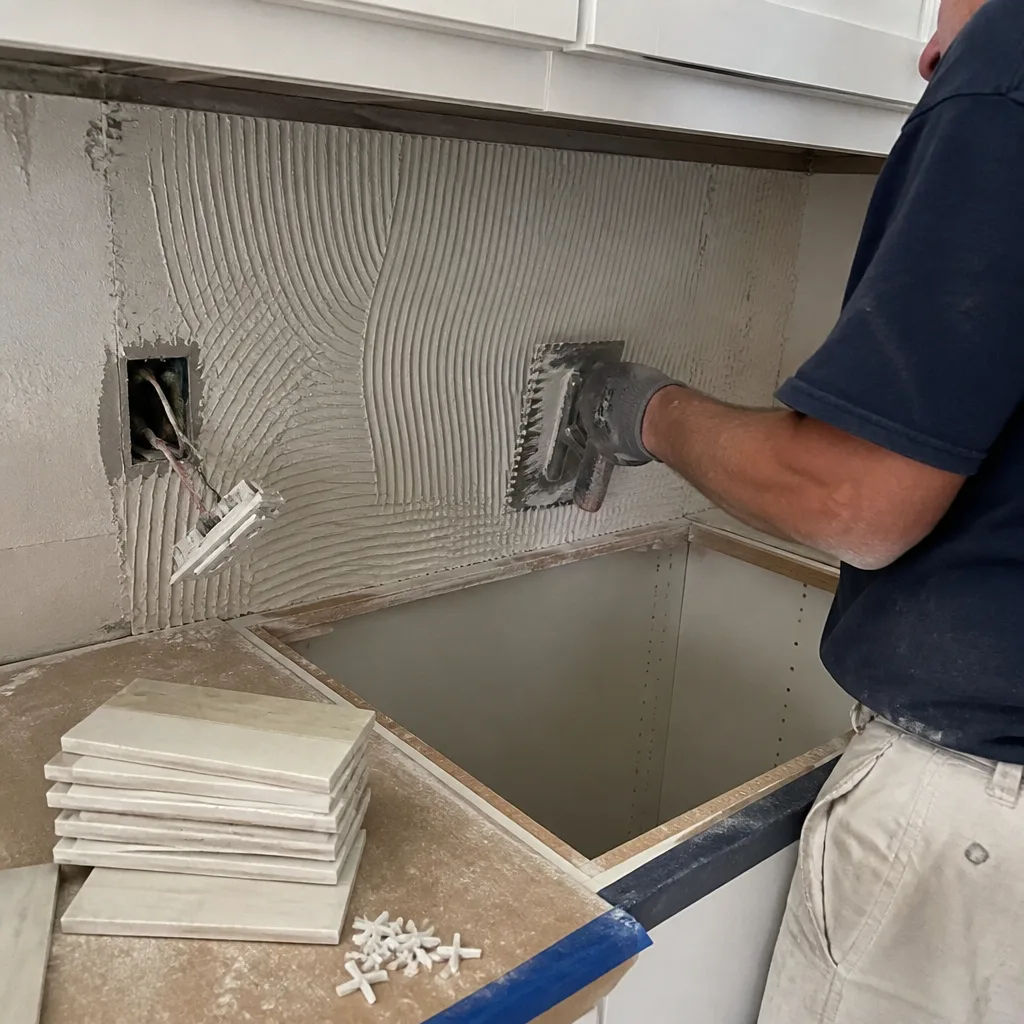
- Water staining at the sill or drywall below. In Miami, the afternoon deluge finds any gap in the pan flashing. The cause is usually sealant degradation at the CGI frame-to-substrate joint, accelerated by UV exposure and salt air in coastal neighborhoods like Key Biscayne and Coconut Grove.
- Difficulty latching or visible frame bowing. Aluminum expands roughly twice as much as steel per degree, and after eight to twelve years of Miami thermal cycling, the CGI frame can distort enough to misalign the multi-point lock. This stresses the hardware and eventually cracks the corner welds.
- Condensation between impact glass lites. The insulated glass unit (IGU) has lost its argon fill and seal integrity. Once moisture enters, the low-E coating deteriorates and the impact rating becomes unreliable - a code issue if the addition is in the HVHZ.
- Corrosion at weep holes or hardware pockets. Salt-laden air penetrates the smallest finish breach. We see this most in oceanfront Miami properties where the anodized layer has thinned, allowing galvanic corrosion where dissimilar metals contact.
- Air infiltration or whistling at frame joints. The compression seal has hardened or the glazing bead has pulled away. In an addition or ADU, this drives cooling load up and can trigger mold on the interior gypsum within a single humid season.
BeforeAfterReplacement Cost & What’s Included
| Project Type | Typical Range in Miami |
|---|---|
| CGI window/door integration, home addition (per opening) | $5,310-$17,700 |
| Full home addition with CGI package | $53,100-$153,400 |
| Detached ADU with CGI impact-rated openings | $106,200-$259,600 |
| Garage conversion with CGI fenestration | $35,400-$94,400 |
The range depends on four factors: whether the addition requires new structural headers (common when widening an opening), if the existing CGI unit is HVHZ-rated versus an older non-impact unit requiring full replacement, the finish grade of hardware and screens, and whether stucco or siding repair is needed after installation. Our quote includes the CGI unit or approved equivalent, pressure-treated sill pan with end dams, Miami-Dade-approved fasteners at 12-inch centers, low-expansion foam sealant, and exterior-grade silicone. Under Clause 1 of the Haven Standard, you receive the written price before any work starts. The 365-Day Done Right Promise covers installation and workmanship; manufacturer defects carry CGI’s standard warranty, which we process on your behalf if needed.
DIY or Call Us?
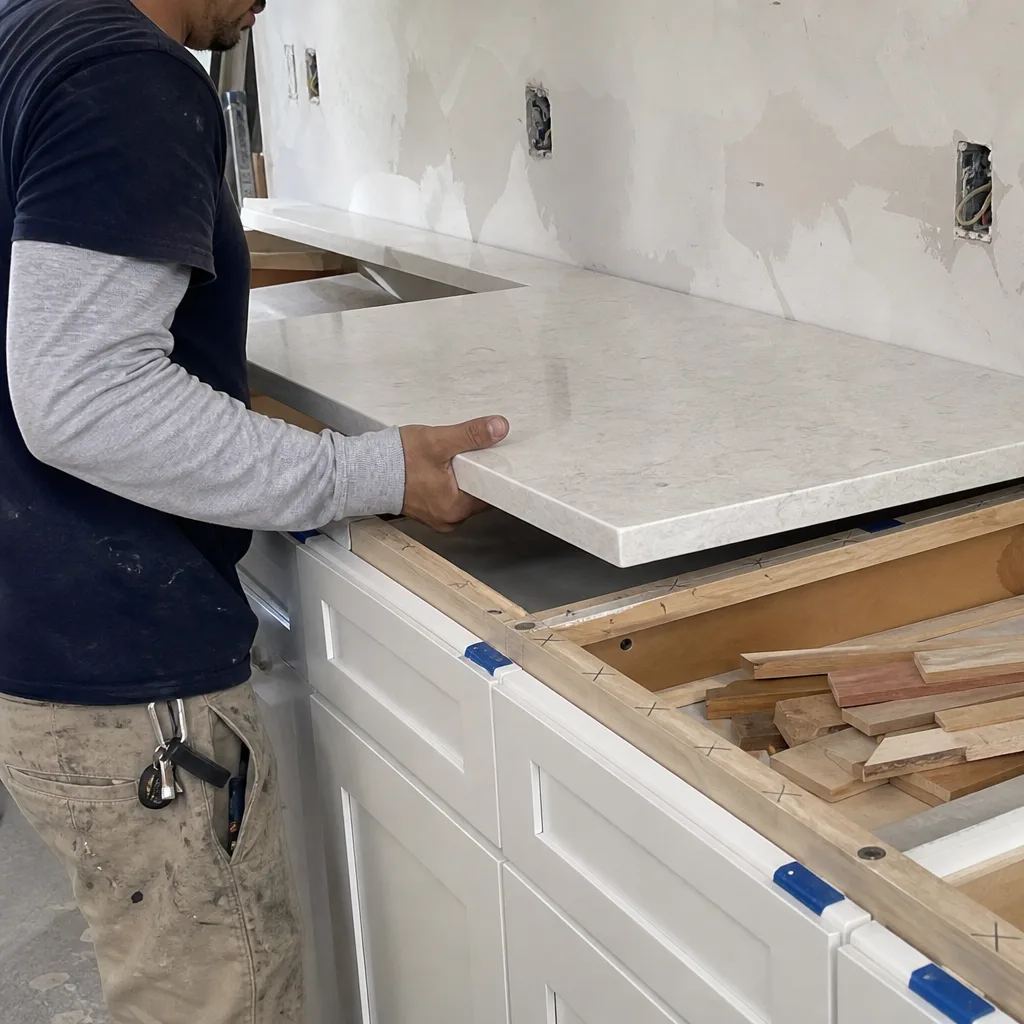
An owner can safely inspect the CGI label for series and date, check the weep holes for debris, and verify that visible fasteners are present and tight. Do not attempt to remove or adjust an impact-rated CGI unit yourself. These units weigh 80-150 pounds depending on size, and improper handling voids the impact certification. More critically, Miami-Dade HVHZ code requires documented installation per TAS 201, 202, and 203 - a standard the permit inspector will verify, and one that DIY installation rarely satisfies.
We’ve rebuilt additions in Coral Gables and Pinecrest where the homeowner’s self-install passed the eye test but failed the missile-impact documentation, requiring full removal and reinstallation at roughly triple the original cost. Measure twice, write it down, then build it. For a written quote on CGI-compatible addition or ADU work, call (786) 321-4970.
FAQs
Expect 15-25 years for the frame, 10-15 for the IGU seal, and 8-12 for exterior hardware in coastal exposure. Salt air and direct west-facing sun shorten the upper end of those ranges. Call (786) 321-4970 for an exact quote on replacement - estimates are free.
Yes, if the frame is straight, hardware functions, and the unit is not pre-2016 corner-key geometry. IGU replacement runs roughly 40-50 percent of full unit cost but requires a glass shop with impact-rated lamination capability. We coordinate this or quote full replacement depending on frame condition.
Typical removal and replacement of a single CGI unit is one day; a full addition with six to ten openings is three to five days, plus stucco or siding cure time. We stock common sizes and hardware for Miami-Dade HVHZ compliance, so lead time is usually the constraint, not field labor.
We stock flashing, sealant, fasteners, and common hardware for CGI, PGT, and ES Windows integration. Complete CGI units are ordered to specification after field measurement, with typical delivery of two to three weeks for standard sizes, four to six for custom geometries. We do not proceed with installation until the unit is on-site and verified against the signed scope - no change orders for “wrong size arrived.”
Written by Grant Rowan, Owner, Rowan Construction Group Miami at Rowan Construction Group Miami, serving Miami and nearby areas.