
Free written scope consultation - allowances, timeline, and change-order rules on paper before a single trade is scheduled
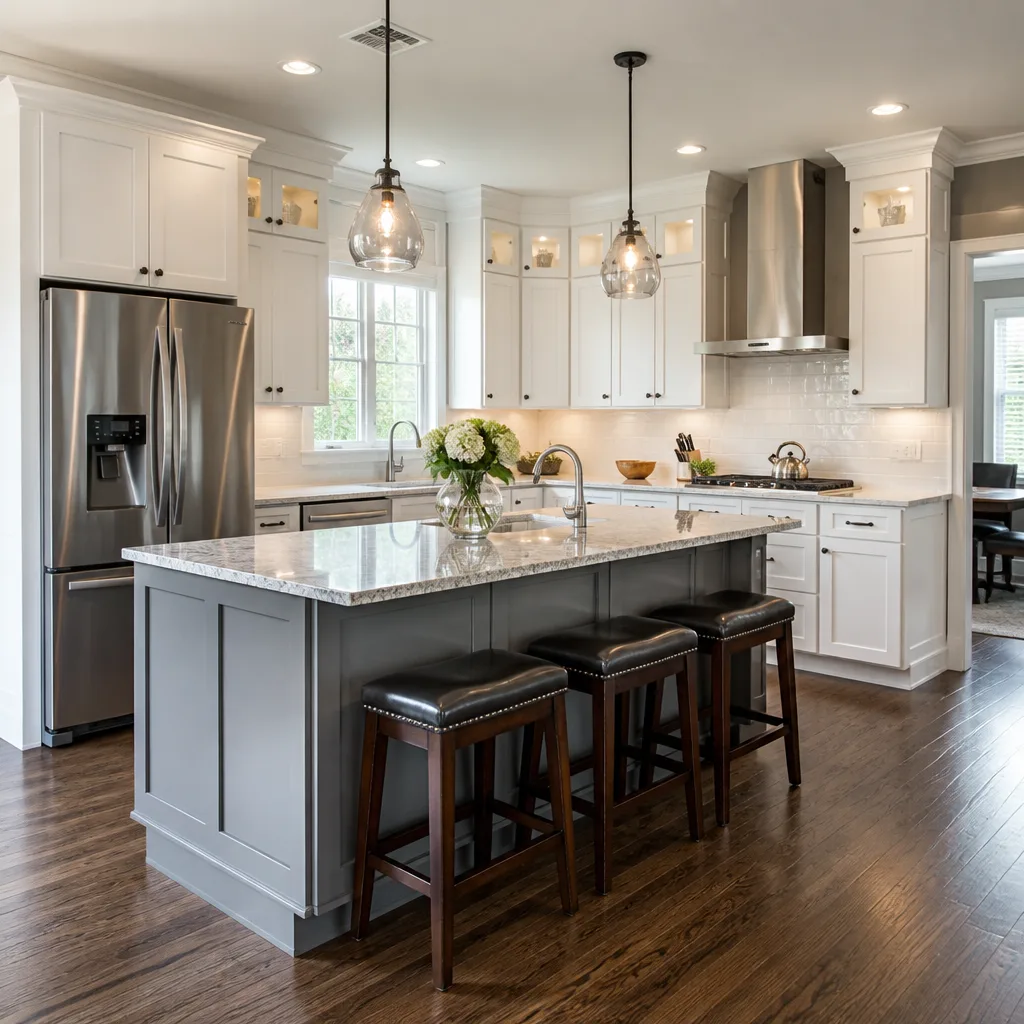
 Before
 After
After Before
 After
After Before
 After
AfterJames Hardie Bathroom Remodeling: The Miami Owner’s Guide
James Hardie bathroom remodeling in Miami typically runs $10,620-$33,040 installed, depending on square footage, moisture-barrier complexity, and whether we’re working with existing HardieBacker cement board or stripping back to studs. We stock HardieBacker 500, HardieBacker 1/4″, and HardiePanel vertical siding in common Miami dimensions, and most bathroom projects start within two weeks of the written quote. Most Miami homeowners discover their Hardie installation needs attention when grout cracks along cement-board seams, or when they spot swelling at the tub surround after a season of heavy humidity.
Which James Hardie Products This Applies To
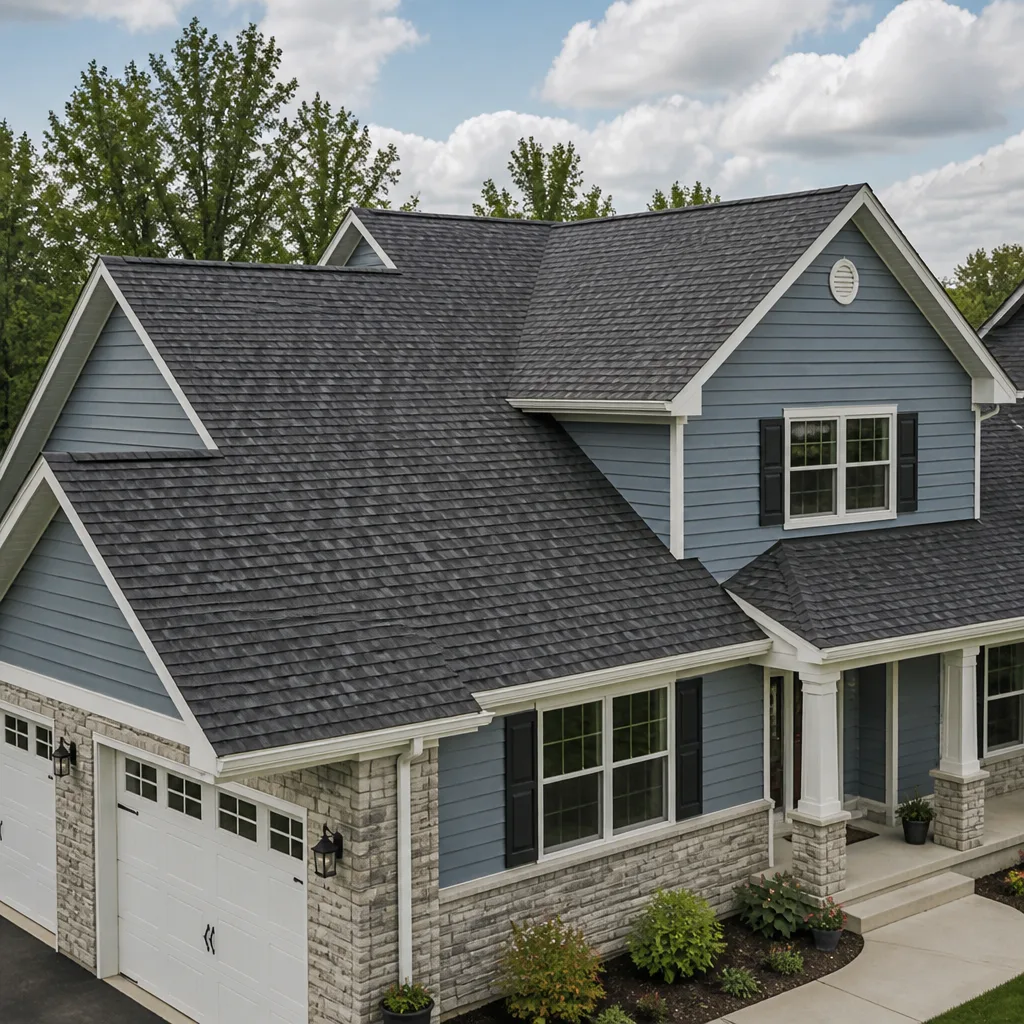
James Hardie manufactures three products we regularly install in Miami bathrooms: HardieBacker 500 cement board (1/2″ thick, the standard for floors and walls), HardieBacker 1/4″ underlayment (for floor-only jobs over plywood), and HardiePanel vertical siding (occasionally used for wainscoting or accent walls in larger baths). The product name is stamped on the back face in black ink; if you’re removing tile and find a smooth gray board with no stamp, it’s likely a competitor’s fiber-cement or a gypsum-based board that shouldn’t be re-tiled over.
HardieBacker 500 carries a 0.50 perm water-vapor rating and is engineered for wet-area continuous exposure, which matters in Miami’s climate where bathroom humidity often exceeds 70% for months. We don’t recommend aftermarket cement boards for Hardie-matched jobs; the density and edge profile differ enough that tile setters struggle to maintain flat planes, and warranties from tile manufacturers like Laticrete and Mapei often require specific board brands. If your existing HardieBacker is pre-2012, check for the older square-edge profile; the current beveled-edge version allows tighter seam tape and reduces the “telegraphing” of joints through porcelain.
Signs Your James Hardie Bathroom Installation Is Failing
- Grout cracking along board seams. HardieBacker expands and contracts with temperature swings, but Miami’s seasonal humidity swings of 40-90% can accelerate this. If the installer skipped alkali-resistant mesh tape at seams or used standard drywall tape, the joint will crack within two to four years.
- Soft or discolored areas near the tub or shower curb. HardieBacker is not waterproof; it’s water-durable. Without a proper liquid or sheet membrane (RedGard, Schluter-KERDI) over the board, moisture wicks through fastener holes and edges. We see this most in Coral Gables and Pinecrest homes where 1980s-2000s renovations used HardieBacker without a membrane.
- Tile popping or sounding hollow when tapped. This usually traces to the wrong fastener schedule. HardieBacker 500 requires 1-1/4″ hot-dipped galvanized roofing nails or backer-board screws every 8″ on center; drywall screws rust through in Miami’s salt air, and the board loosens.
- Mold odor with no visible leak. If the original installer butted HardieBacker tight to the tub flange without a 1/4″ gap and sealant, water runs behind the board and sits on the flange. The board itself won’t mold, but the framing behind it will.
- Swelling or delamination at the board surface. True HardieBacker won’t swell; if you see this, you’ve got a gypsum-based “water-resistant” board masquerading as cement board, or the product was stored wet before installation. Miami’s afternoon thunderstorms have ruined more than one delivery left on-site overnight.
BeforeAfterReplacement Cost & What’s Included
| Scope | Price Range (Miami) |
|---|---|
| Small bathroom retile over existing HardieBacker (membrane + tile) | $5,900-$14,160 |
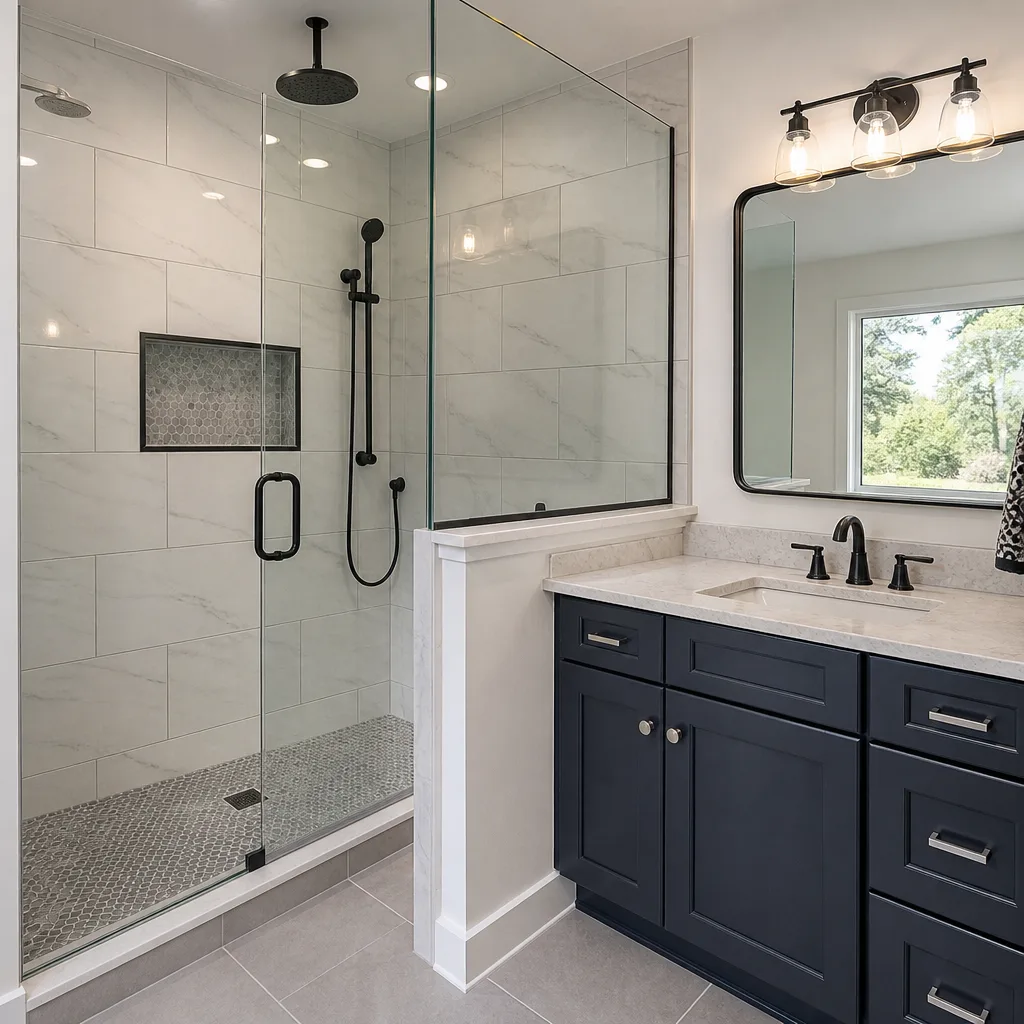
| Full bathroom remodel, HardieBacker 500 + membrane + tile | $10,620-$33,040 |
| HardieBacker 500 demo to studs, new board, membrane, retile | $8,260-$21,240 |
| Walk-in shower installation with HardieBacker + waterproofing | $5,310-$14,160 |
| Tub-to-shower conversion, full HardieBacker surround | $4,130-$11,800 |
The range depends on three factors: whether we’re working over existing HardieBacker or stripping to studs (demo adds $1,800-$4,700), the membrane system specified (liquid-applied RedGard runs less than full Schluter-KERDI), and tile selection (large-format porcelain requires a perfectly flat HardieBacker plane, which takes more labor). Every quote we write itemizes board count, fastener type, membrane square footage, and tile labor separately. Under Clause 1 of The Haven Standard, that written price is fixed; no change order moves forward without your signature, which is why our projects finish within a few percent of the agreed number.
Our 365-Day Done Right Promise covers the full installation, including HardieBacker fastening and membrane application. You’ll receive a documented photo record of the bare studs, the boarded walls, and the membrane flood-test before tile goes up.
DIY or Call Us?
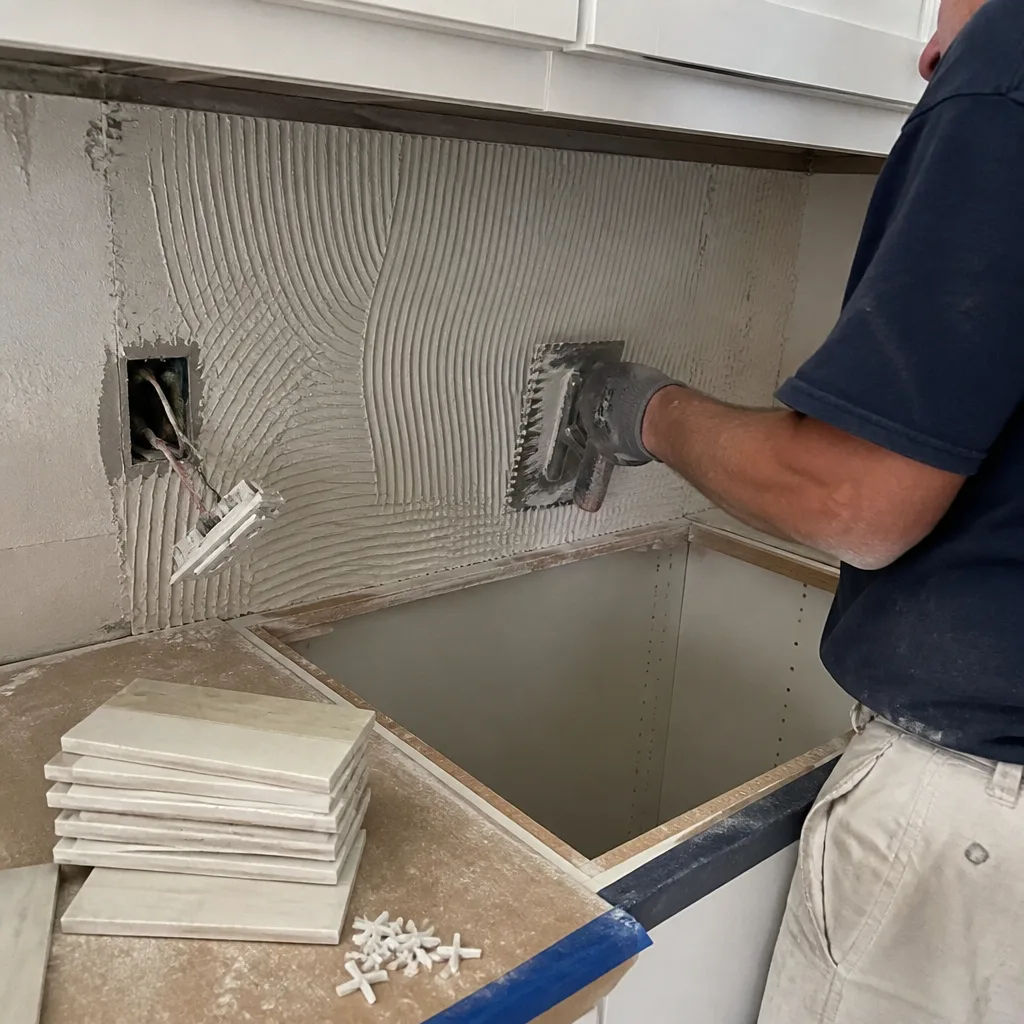
There’s safe DIY and there’s work that belongs to a crew with the right tools. A homeowner can verify the HardieBacker stamp, check for proper fastener spacing with a tape measure, and spot the absence of seam tape. What you shouldn’t attempt: removing tile from HardieBacker without a dust-rated respirator (silica dust from cement board is a documented hazard), cutting HardieBacker with anything other than a scoring knife or shears with HEPA extraction, or applying a liquid membrane without checking the mil thickness.
Where DIY goes wrong in Miami is the flood test. A proper membrane installation gets 24 hours of standing water at the pan before tile; we’ve been called to three jobs in the last two years where the homeowner skipped this, tiled over a pinhole, and found water in the dining room ceiling six months later. The fix cost $4,200-$8,600 each time. If you’re unsure whether your HardieBacker was installed with a membrane, call us at (786) 321-4970 and we’ll inspect it at no charge. Measure twice, write it down, then build it.
FAQs
The board itself is rated for the life of the structure, but the installation assembly typically needs attention at 15-25 years in South Florida’s climate. The failure point is almost never the HardieBacker; it’s the membrane, grout, or fasteners that give way first. Call (786) 321-4970 for an inspection if you’re past the 15-year mark.
No. Once tile is set, the board behind it isn’t accessible without demolition. Grout-only repairs over cracked seams last six months to two years before the crack telegraphs back through. The proper fix is removing tile, re-taping seams with alkali-resistant mesh, re-membraning, and re-tiling. We can quote that scope in writing before any work starts.
Demo to finished tile runs 8-14 working days for a standard Miami bathroom, depending on custom tile layout and drying times between membrane coats. We don’t rush the flood test; 24 hours is non-negotiable. You’ll get a daily photo update and a written schedule at kickoff.
We keep HardieBacker 500 in 3’×5′ sheets, galvanized roofing nails, and backer-board screws in our Miami warehouse, with delivery to the job site next-day. HardiePanel and specialty trim require a two-day order from the James Hardie distributor in Medley. We’re an independent service provider, not affiliated with James Hardie, but we’ve installed their products since 2009 and source direct from authorized distribution.
Ready to price your James Hardie bathroom project? Call (786) 321-4970 to schedule your free estimate. We’ll inspect the existing board, test for moisture behind it if needed, and deliver a written line-item quote before any work starts. Bring a competitor’s written estimate and we’ll review it line by line at no charge.
Written by Grant Rowan, Owner, Rowan Construction Group Miami at Rowan Construction Group Miami, serving Miami and nearby areas.