
Free written scope consultation - allowances, timeline, and change-order rules on paper before a single trade is scheduled


 Before
 After
After Before
 After
After Before
 After
AfterHow Much Does Gutter Installation Cost in Miami?
Gutter installation in Miami typically costs between $1,050 and $4,200 for a standard single-family home, with most homeowners landing somewhere around $1,800 to $2,600 depending on linear footage, material, and whether the fascia needs attention before the gutters go up. Seamless aluminum gutters are the most common choice here, and for good reason: Miami’s hurricane season puts gutters through more stress in a single afternoon than most systems up north see in a year. A written price before anyone touches your roofline is non-negotiable – that’s Clause 1 of the Haven Standard at Gutter Installation in Miami, and it applies to every job, every time.
Gutter Installation Cost Breakdown (2026)
Gutter installation in Miami breaks down into material costs, labor, and the prep work that often gets buried in fine print elsewhere. The table below reflects current Miami-market pricing – labor rates in Miami-Dade run higher than national averages, partly because of licensing requirements under Florida Building Code and partly because working through rainy season demands more scheduling precision than a simple square-footage estimate captures.
| Line Item | Typical Miami Price Range | Notes |
|---|---|---|
| Seamless Aluminum Gutters (installed) | $6 – $13 per linear foot | Most common choice; fabricated on-site to exact length |
| Vinyl Gutters (installed) | $4 – $8 per linear foot | Lower upfront cost; UV degradation shortens lifespan in South Florida sun |
| Steel Gutters (installed) | $8 – $15 per linear foot | Durable but requires rust-resistant coating in Miami’s salt-air environment |
| Copper Gutters (installed) | $25 – $45 per linear foot | Longest lifespan, premium look; common in Coral Gables historic homes |
| Downspouts (per unit, installed) | $75 – $250 | Count varies; most homes need one downspout per 30-40 linear feet of gutter |
| Gutter Guards / Leaf Protection | $2 – $9 per linear foot | Worth considering near Coconut Grove or Pinecrest where tree canopy is dense |
| Fascia Board Replacement (if rotted) | $8 – $20 per linear foot | Required before new gutters can be secured properly |
| Old Gutter Removal and Disposal | $0.75 – $1.50 per linear foot | Sometimes waived on larger jobs; confirm in writing before agreeing |
| Whole-House Install (average 150-200 LF) | $1,050 – $4,200 | Full-perimeter seamless aluminum on a typical Miami ranch or two-story |
The gap between $1,050 and $4,200 is real, and it comes down to a handful of variables that a proper site visit resolves in about twenty minutes. A 1,200-square-foot Wynwood bungalow with a simple roofline and no fascia damage sits at the low end. A two-story Pinecrest home with a complicated hip roof, dense tree coverage, and fascia boards that haven’t been looked at since the last owners bought it – that’s the high end, and sometimes beyond it. Under the Haven Standard, Grant Rowan’s team delivers a written flat price after the walkthrough, not a “starting from” number that climbs once work begins.
What Affects Gutter Installation Pricing in Miami
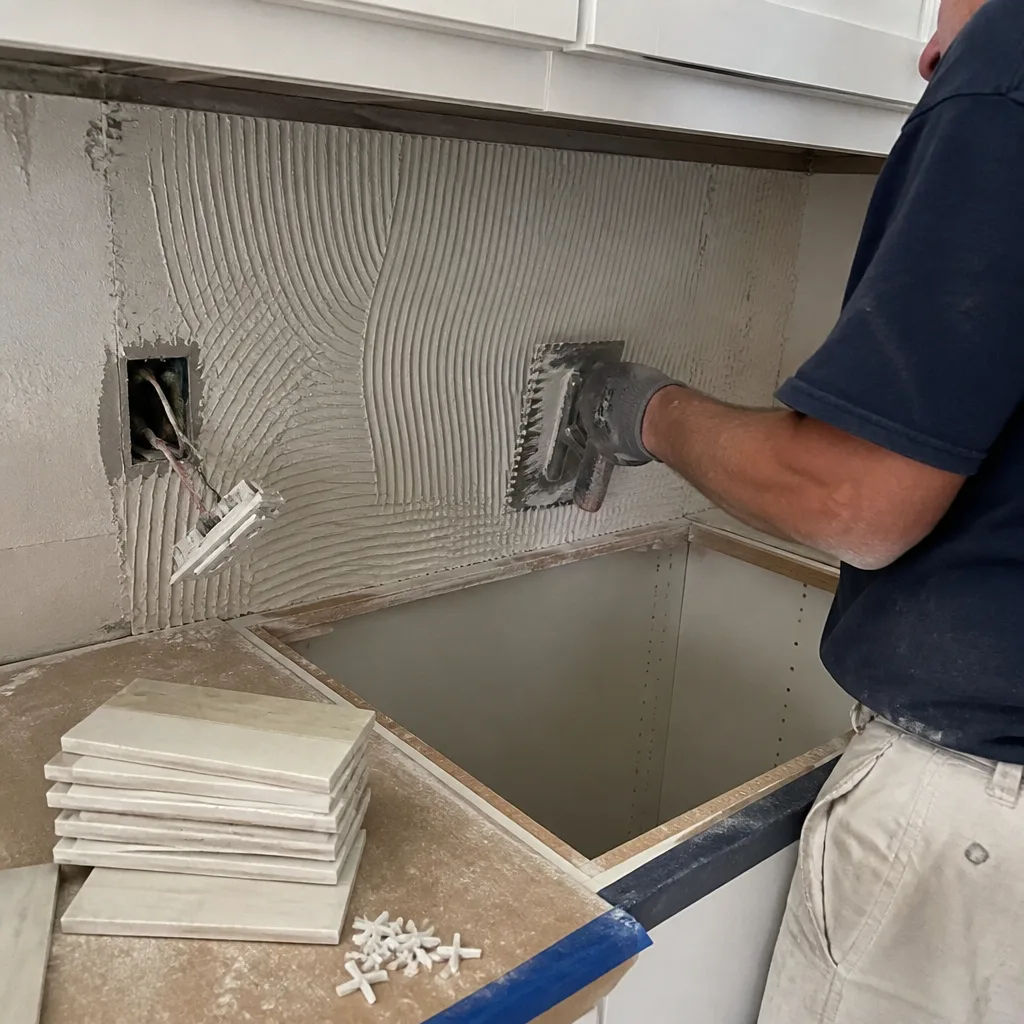
- Linear footage and roofline complexity: A simple rectangular ranch in Hialeah might need 120 linear feet of gutters. A multi-section Mediterranean-style home in Coral Gables with multiple valleys, hip returns, and covered entry features can push past 300 linear feet. More feet and more inside and outside corners means more labor hours, more end caps, and more silicone sealing – all of which show up in the final number.
- Material choice: Vinyl costs less upfront but South Florida’s UV index is brutal – vinyl gutters tend to become brittle and pull away from fascia within 8 to 12 years here, sometimes less. Seamless aluminum is the practical middle ground: it handles wind-driven rain well, doesn’t rust, and a good quality .032-gauge aluminum system can last 25 years in Miami’s climate. Copper is the long-game choice for homeowners in Coconut Grove or South Miami who want a system that outlasts the house.
- Miami’s hurricane season requirements: Florida Building Code requires gutters and their attachment points to meet specific wind-load specifications – this isn’t something that can be skipped. Hanger spacing, screw gauge, and sealant type all have to meet code for Miami-Dade County. A contractor who doesn’t pull the correct permit or who spaces hangers at 36 inches instead of the required 24 is saving time at your expense. Every Rowan job comes with a documented photo record so you can see the hanger placement and fastener pattern before the crew packs up.
- Fascia and soffit condition: In Miami, where afternoon thunderstorms are a near-daily occurrence from June through October, fascia boards on older homes – particularly those built before 1990 in neighborhoods like Little Havana, Overtown, or Liberty City – are frequently water-damaged behind the original gutters. Installing new gutters over rotted wood is a three-year fix at best. Rowan’s crew photographs the fascia condition during the estimate walkthrough, and if board replacement is needed, it’s written into the scope and priced before anyone starts.
- Roof pitch and height: Steeper roofs and taller homes require additional staging, and in some cases lift equipment. A single-story flat-roofline home in Miami Lakes is a half-day job. A two-story steeply pitched home in Pinecrest can take a full day and require two-person staging. Labor rates reflect the actual time and safety equipment needed – this is part of why a written scope matters more than a per-foot estimate given over the phone.
- Gutter guards and downspout routing: Homes in Palmetto Bay, Pinecrest, and Coconut Grove sit under significant tree canopy – oak, royal poinciana, and ficus all drop debris that can clog a standard open gutter in a single afternoon storm. Gutter guards add $2 to $9 per linear foot but can cut cleaning frequency from twice a year to once every two or three years. Downspout routing – whether water discharges freely at grade or is directed into an underground drain or rain barrel system – also affects labor time and total cost.
BeforeAfterGutter Material Comparison for Miami Homes
Not every gutter material performs the same way in South Florida’s climate. Here’s how the most common options stack up specifically for Miami conditions, not just general use.
Seamless Aluminum – The Practical Standard
Seamless aluminum gutters are fabricated on-site from a continuous coil, cut to the exact length of each run. There are no seams except at corners and downspout connections, which are the most common failure points in sectional gutters. In Miami, where water volume during a strong convective storm can be extraordinary – some neighborhoods in Miami-Dade have recorded over two inches of rain in under an hour – having a gutter system with minimal joint points matters. A .032-gauge aluminum system properly fastened to code-compliant hangers at 24-inch spacing handles that kind of load. This is the material Rowan installs most often.
Vinyl – The Trade-Off to Understand
Vinyl is the cheapest option by material cost, and for homeowners in Doral or North Miami planning to sell within five years, it can be a reasonable short-term choice. The honest trade-off: Miami’s UV exposure and temperature swings – from 95-degree August afternoons to occasional 45-degree January mornings – cause vinyl to expand and contract more than aluminum, which eventually loosens joints and causes sagging. Plan for a shorter service life here than you’d see in the national averages that show up in most online guides.
Copper – The Long-Term Investment
Copper gutters develop a patina over time that many homeowners in Coral Gables and historic South Miami find attractive. More practically, copper doesn’t rust, doesn’t require painting, and when properly soldered (not just clipped) has a functional lifespan that can exceed 50 years. At $25 to $45 per installed linear foot, a full-perimeter copper installation on a 2,000-square-foot home runs $5,000 to $11,000 or more. That’s a significant premium, but for a homeowner who isn’t moving and wants a permanent solution, the math can work over a long enough horizon.
Gutter Size: 5-Inch vs. 6-Inch in Miami’s Rain Volume
Standard residential gutters come in 5-inch and 6-inch K-style profiles. Nationally, 5-inch is considered adequate for most single-family homes. In Miami, the math changes. Miami-Dade County averages around 62 inches of rainfall per year, most of it concentrated in intense, fast-moving storms rather than slow soaking rain. A 5-inch gutter handles roughly 1.2 inches of rain per hour per 100 square feet of roof; a 6-inch gutter handles about twice that volume.
For larger homes or homes with wide roof sections that drain to a single gutter run, 6-inch gutters are worth the modest cost difference – typically $1 to $2 more per linear foot installed. Rowan’s crew calculates roof drainage area by section during the estimate walkthrough and recommends the right size rather than defaulting to the cheaper option and letting you find out the hard way during the first August storm.
How to Save on Gutter Installation in Miami
There are real ways to reduce your gutter installation cost without cutting corners on the parts that matter. There are also false economies that end up costing more later. Here’s the difference.
- Schedule in the dry season if you can: Gutter installation in Miami slows down from November through April as rainy season ends. Contractors who are between large commercial jobs occasionally have more scheduling flexibility during this window, which can translate to faster turnaround. It doesn’t always mean a lower price, but the logistics are smoother.
- Replace fascia proactively if it’s marginal: If your fascia boards are borderline – not fully rotted but showing softness or previous water staining – replacing them at the same time as the gutters costs less than doing it as a separate job six months later. The crew is already set up, and the per-foot labor cost is lower when it’s part of the same mobilization.
- Get a second opinion on any written estimate: Rowan offers a Free Second Opinion on any written estimate from another contractor. Bring the quote and Grant Rowan’s team will review it line by line at no charge – not to pressure a sale, but because a homeowner who understands what they’re actually buying makes better decisions. If the competing quote is fair, we’ll say so.
- Install gutter guards at the same time: Adding guards to an existing gutter system is labor-intensive because the installer has to work around the installed gutters. Adding them at install time is simpler and costs less per linear foot. For homes near Matheson Hammock or other areas with heavy canopy, this is usually worth doing once rather than twice.
- Don’t skip the permit to save money: Some contractors offer to skip the Miami-Dade County permit to keep the cost down and the timeline shorter. The risk falls entirely on the homeowner: an unpermitted gutter system can complicate a home sale, create insurance complications after storm damage, and – more immediately – may not meet the wind-load requirements that protect your fascia and roofline during a named storm. The permit fee is modest. It’s not the place to save.
For a written price specific to your home’s square footage, roofline complexity, and current fascia condition, call (786) 321-4970. The estimate is free, and it comes with a written scope – not a ballpark – so you know exactly what you’re agreeing to before anyone shows up with tools.
What the Installation Process Looks Like at Rowan
Understanding what actually happens from first call to finished job makes it easier to evaluate any contractor’s quote – including ours.
Step 1: The Walkthrough and Written Price
A uniformed, background-checked Rowan crew member comes to the property, measures every linear foot of gutter run, assesses the fascia condition (photographed), documents downspout locations and drainage paths, and notes any roofline features that affect staging or labor. That information produces a flat written price with a written scope – not a range. Under Clause 1 of the Haven Standard, no work begins until that price is agreed to in writing.
Step 2: Permit (Where Required)
Miami-Dade County’s permitting requirements for gutter installation depend on scope and the home’s construction type. Where a permit is required, Rowan handles the application. The permit number is documented in the project file.
Step 3: Fabrication and Installation
Seamless aluminum gutters are fabricated on-site from a truck-mounted coil machine, cut to the exact measurement of each run. Hangers are set at 24-inch spacing per Florida Building Code requirements. Downspouts are installed and secured. Silicone sealant is applied at all seam points. The crew documents the installation at each stage – hanger placement, downspout connections, fascia condition before and after – and you receive the photo record when the job is complete.
Step 4: Change Orders (If Anything Changes)
If the crew opens up a fascia section and finds damage that wasn’t visible during the walkthrough, work stops. You get a written change order with the additional cost spelled out before anyone proceeds. No crew member has the authority to approve additional work verbally. This is the discipline that has kept Rowan’s projects within a few percent of the agreed cost across more than 4,000 jobs since 2007.
Step 5: Final Walkthrough and Documentation
Before the crew leaves, you walk the job together. The photo record is delivered. The written warranty is in hand. The 365-Day Done Right Promise is in effect: if something isn’t right, Rowan makes it right – backed by the Haven Standard, not a verbal assurance.
How Gutter Installation Connects to Other Work at Rowan
Gutters are often the first sign that something else needs attention. A crew doing a gutter installation in Coral Gables last spring found three fascia sections with water damage that traced back to a failing roof edge – the kind of thing that doesn’t show up until someone is physically at the roofline. Rowan’s seven-trade scope means a crew that spots a potential roofing issue at the fascia can flag it the same day rather than leaving it for a separate contractor to find later.
If your roof replacement, impact window installation, or fence installation is already on the list, asking about coordinating trades under one project manager – with one written price and one set of change-order rules – is worth the conversation. You can read more about the full scope of services on our home page, or call (786) 321-4970 to talk through what makes sense for your specific project timeline.
FAQs – Gutter Installation Cost in Miami
How much does gutter installation cost in Miami in 2026?
Gutter installation in Miami costs between $1,050 and $4,200 for a full-perimeter installation on a typical single-family home, with seamless aluminum at $6 to $13 per installed linear foot being the most common specification. Most Miami homeowners with a standard 150-to-200-linear-foot perimeter pay between $1,800 and $2,600 when fascia is in good condition. Homes with roofline complexity, significant fascia damage, or copper gutters run higher. Call (786) 321-4970 for a written price specific to your home – the estimate is free.
Is it worth installing gutter guards in Miami?
Gutter guards add $2 to $9 per linear foot to the installation cost but are worth considering for most Miami homes, specifically those near tree canopy in Coconut Grove, Pinecrest, Palmetto Bay, and South Miami. Miami’s combination of high annual rainfall and heavy leaf drop from oaks and royal poinciana trees means unguarded gutters can clog after a single major storm. Installing guards at the same time as new gutters costs less than adding them later, and the reduction in cleaning frequency typically pays back the premium within three to five years.
How long do gutters last in Miami’s climate?
Seamless aluminum gutters installed to Florida Building Code specifications typically last 20 to 30 years in Miami’s climate. Vinyl gutters have a shorter effective lifespan here – closer to 8 to 15 years – because UV exposure and temperature cycling cause brittleness faster than national averages suggest. Copper gutters can last 40 to 50 years or more when properly soldered. The single biggest variable is fascia condition: new gutters attached to deteriorating wood fail prematurely regardless of gutter material, which is why a documented fascia assessment before installation is worth requiring from any contractor.
Do I need a permit for gutter installation in Miami?
Miami-Dade County’s permitting requirements for gutter installation depend on the scope and the home’s construction type. In many cases a permit is required, particularly for new installations (as opposed to like-for-like replacements) and for work on homes that fall under specific HOA or municipal overlay requirements in municipalities like Coral Gables or Miami Shores. Skipping a required permit to save cost puts the risk on the homeowner – including complications at resale and potential insurance issues after storm damage. Rowan handles permit applications where required and documents the permit number in the project file.
Can I install gutters myself to save money in Miami?
Sectional vinyl gutters can be purchased at home improvement stores and installed by a capable DIYer on a single-story home with accessible eaves. The honest limitations in Miami: seamless gutters require a truck-mounted fabrication machine that isn’t available for rental; Florida Building Code hanger-spacing and fastener requirements need to be met for the system to perform during a named storm; and fascia assessment requires getting to the roofline safely. The savings on a DIY vinyl install can be real – perhaps $400 to $800 on a small home – but the trade-off is a shorter-lifespan material without the wind-load documentation a permitted professional installation provides. For most Miami homeowners, that trade-off isn’t worth it.
What’s the difference between 5-inch and 6-inch gutters, and which is right for my Miami home?
5-inch K-style gutters are standard for most residential applications nationally, but Miami’s high-intensity rainfall events – often exceeding one to two inches per hour during summer convective storms – push many homes toward 6-inch gutters. The cost difference is modest: roughly $1 to $2 more per installed linear foot. The right answer depends on your roof’s drainage area per gutter run, not just the home’s total square footage. A ranch home with short roof sections draining to frequent downspouts may be fine with 5-inch; a two-story home with large roof sections draining to a single gutter run in a neighborhood like Doral or Kendall may overflow a 5-inch system in a heavy storm. Rowan’s estimate process calculates drainage area by section rather than defaulting to one size.
Pricing reflects the Miami, FL market as of 2026. Rowan Construction Group Miami offers free written estimates – call (786) 321-4970 to schedule a walkthrough. No work starts without a written price and a written scope.
Written by Grant Rowan, Owner at Rowan Construction Group, serving Miami, FL since 2007.
What Our Customers Say
"They found an old septic line under the driveway run and stopped, documented it, and re-quoted before continuing."
- Xavier L."Talked us out of the larger scope we came in asking for, because it would not have added the value we thought."
- Emil R."Driveway replaced properly with a base that will actually last. They explained why the cheaper quote was cheaper."
- Reggie O.