
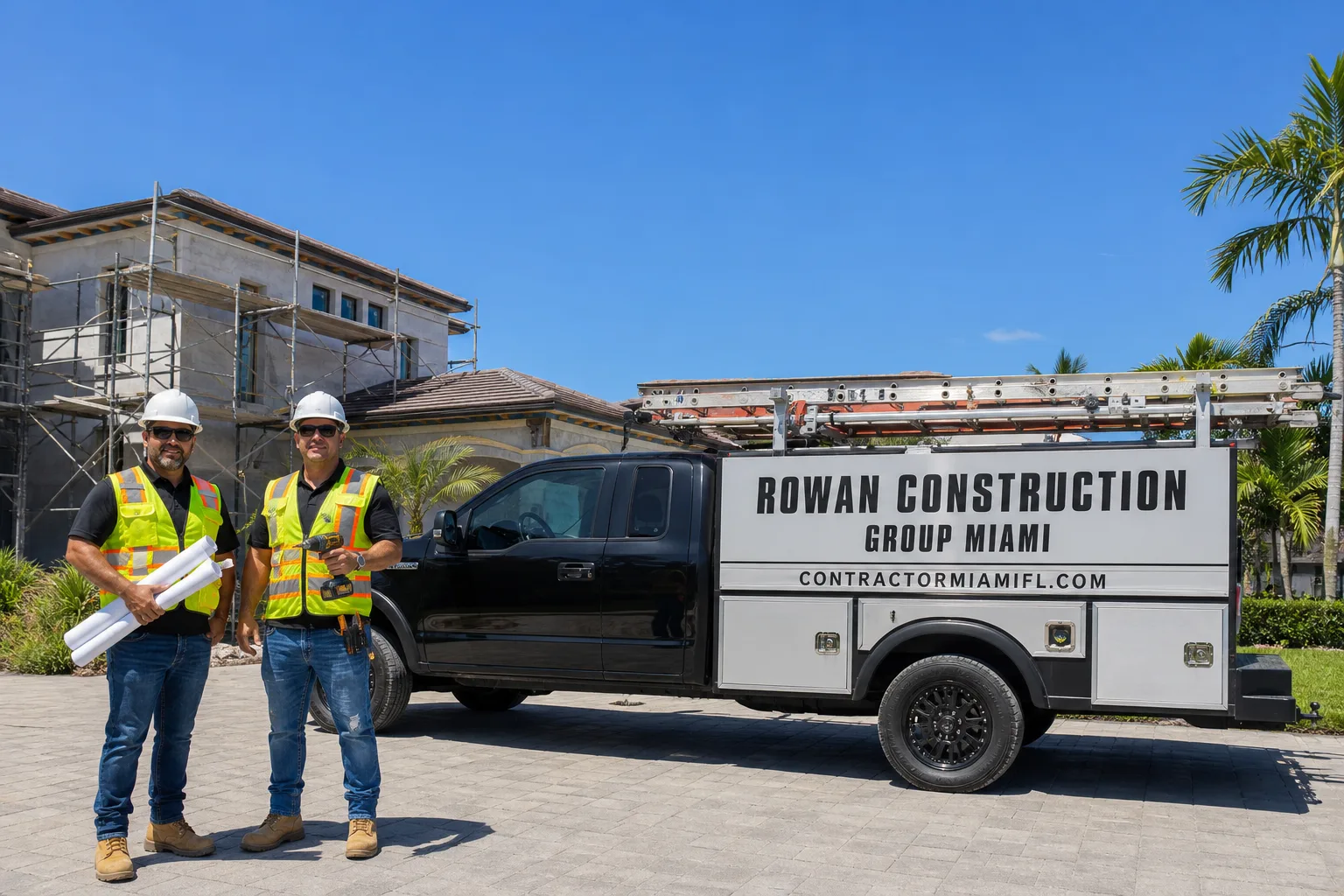
Free written scope consultation - allowances, timeline, and change-order rules on paper before a single trade is scheduled

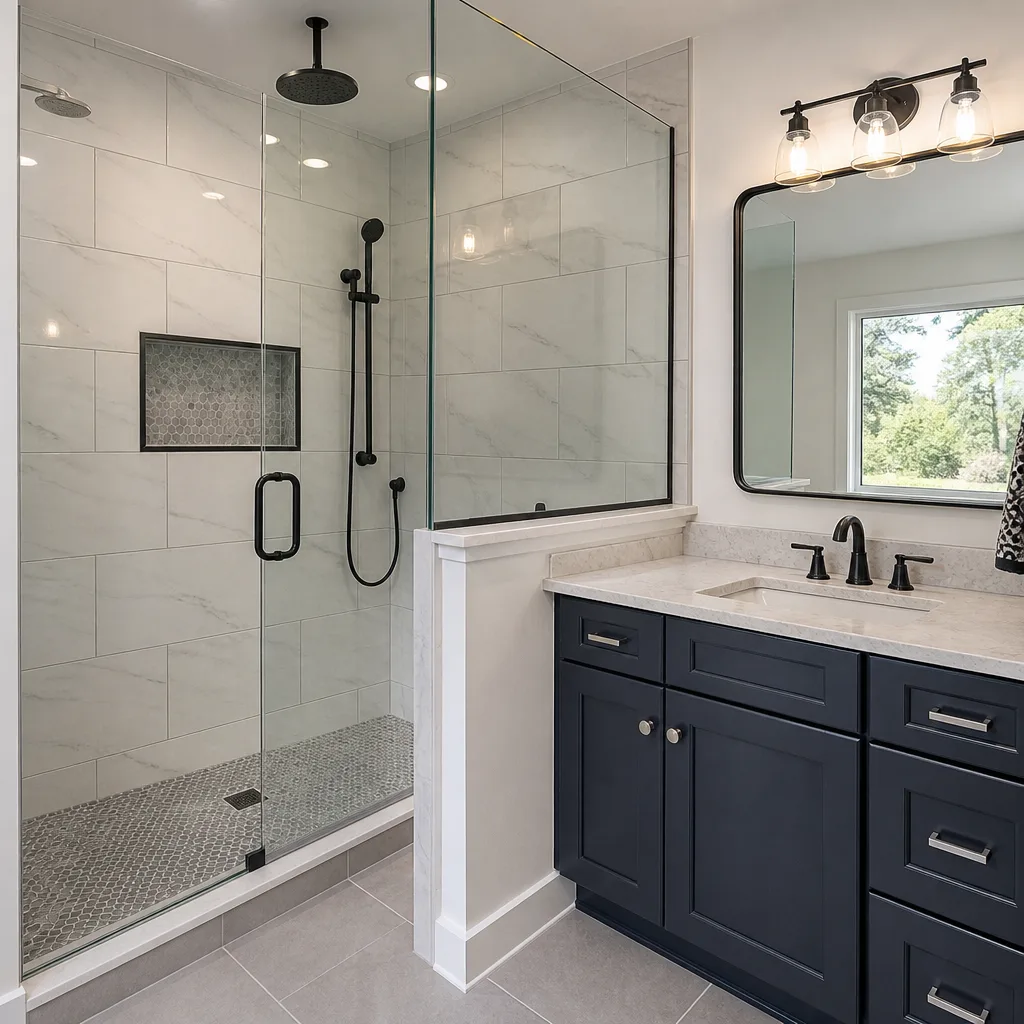

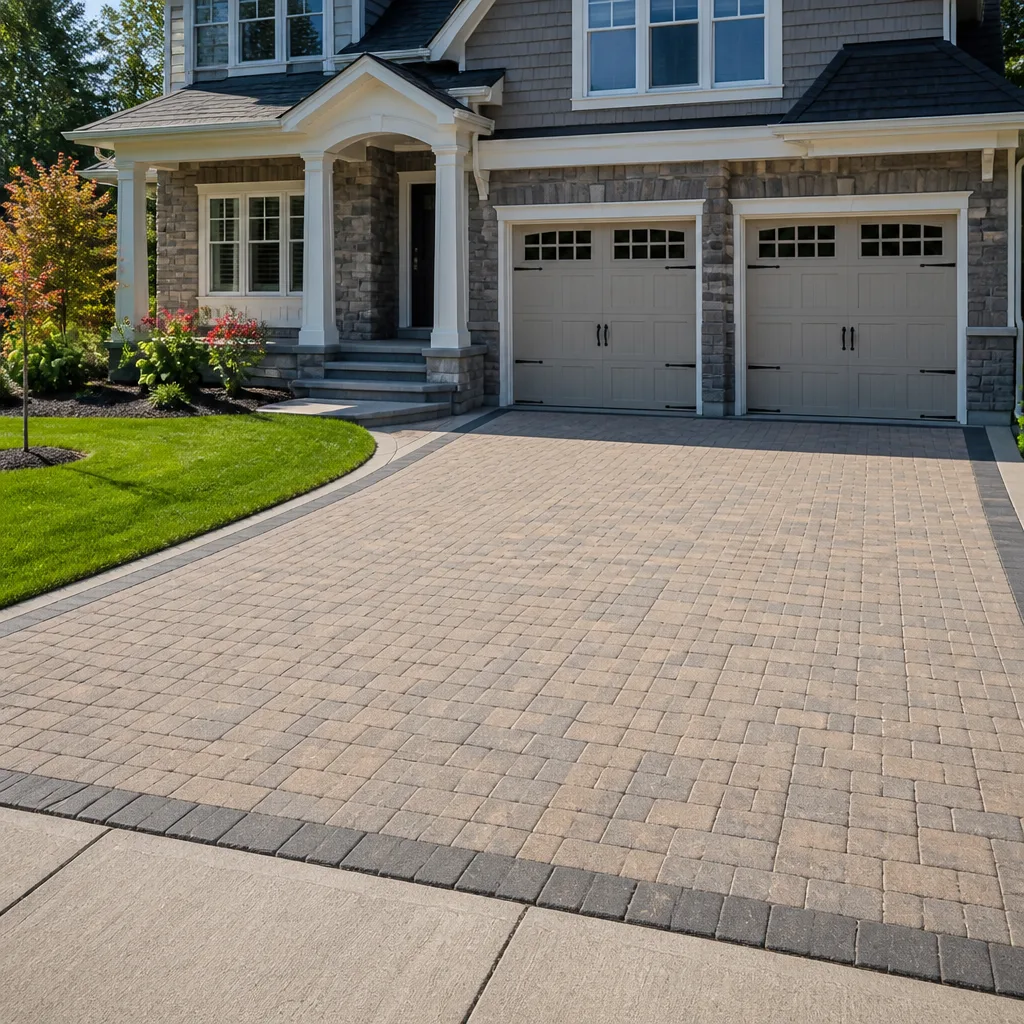
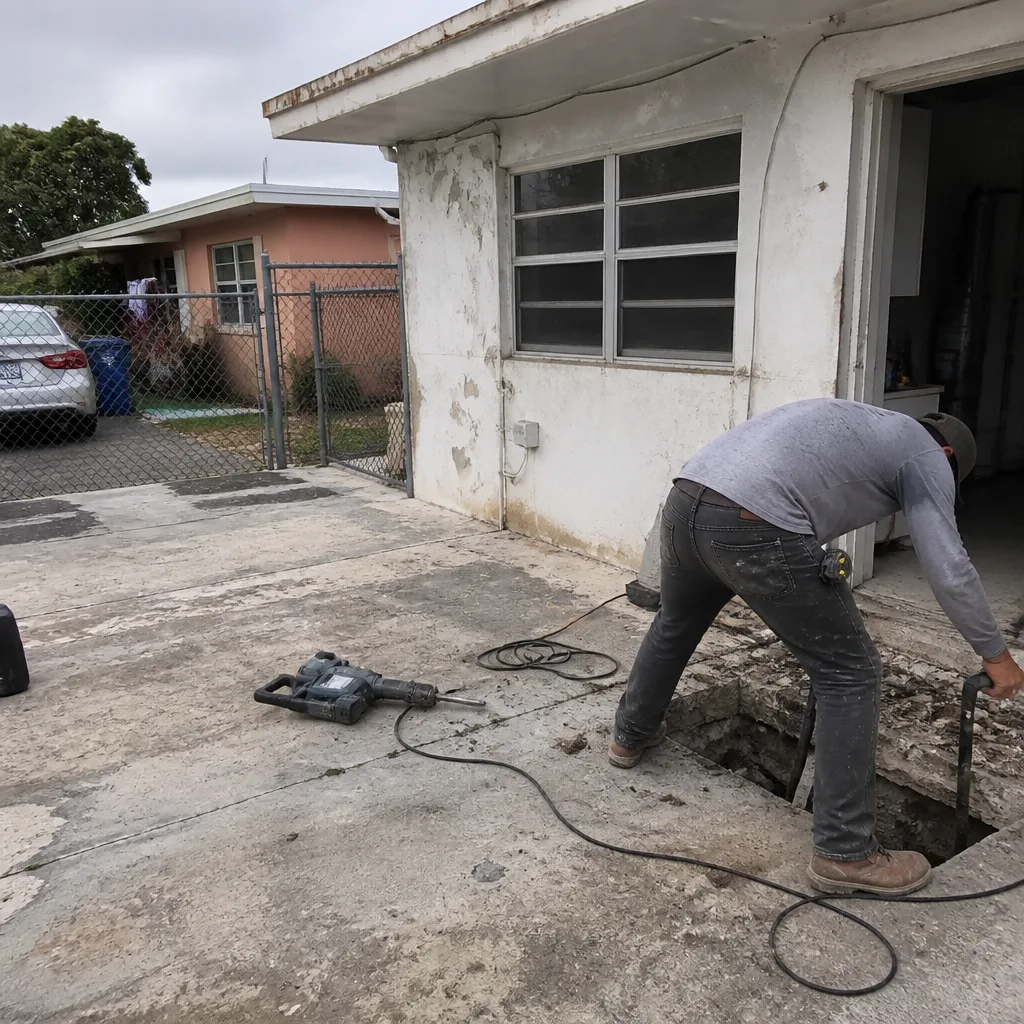 Before
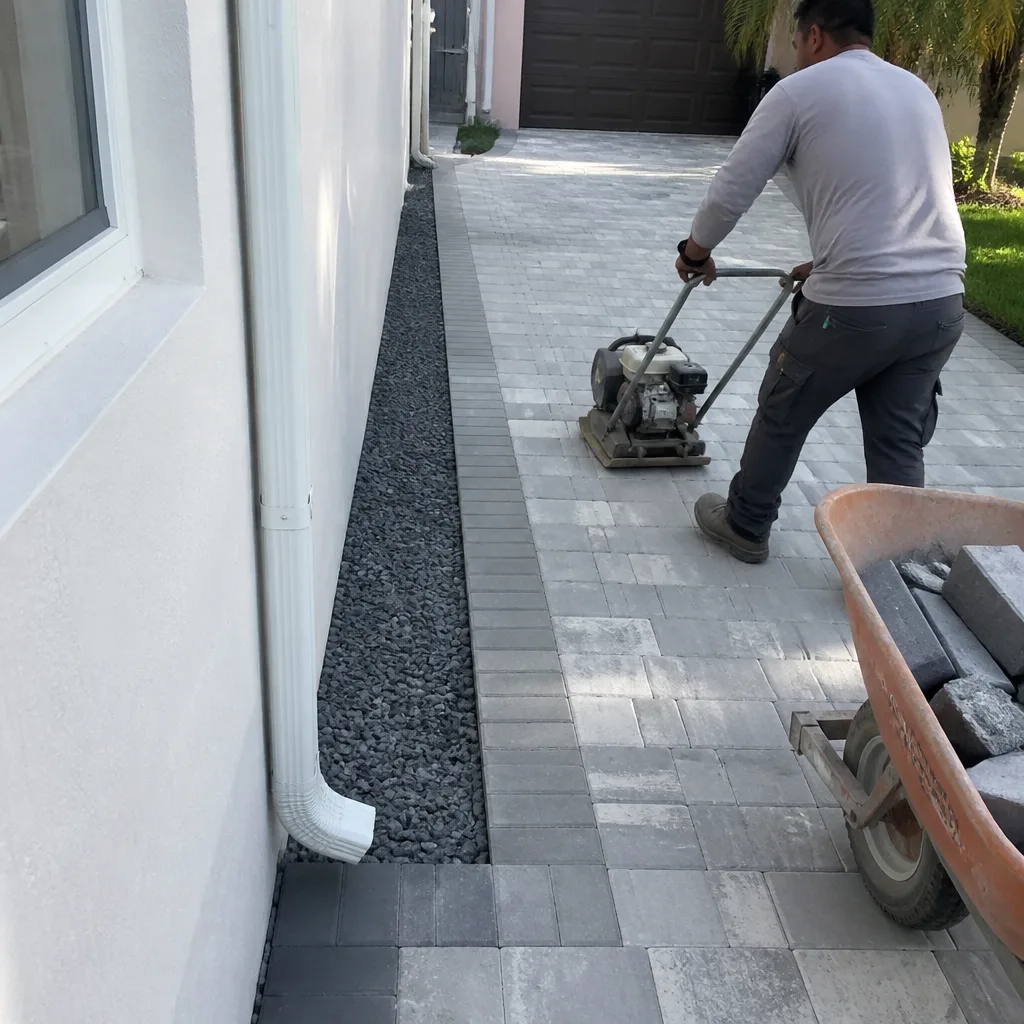 After
After Before
 After
After Before
 After
AfterHow Much Does Kitchen Island Installation Cost in Miami?
Kitchen island installation in Miami typically costs between $3,540 and $11,800, with most homeowners landing somewhere in the $5,000-$7,500 range depending on size, materials, and whether the island needs plumbing or electrical work. A basic freestanding unit on the lower end of that range can often be completed in a day; a custom built-in island with Cambria quartz countertops, cabinetry, and a dedicated circuit will push toward the top. Under Clause 1 of the Haven Standard, Rowan Construction Group delivers a flat written price before any work begins, so you know exactly where you fall before the first cut is made.
Kitchen Island Installation Cost Breakdown (2026)
The table below reflects actual Miami market pricing as of 2026. These are not national averages adjusted by a multiplier – they reflect what general contractors and subcontractors are quoting in Miami-Dade County right now, accounting for local labor rates, permitting costs, and material freight to South Florida.
| Scope of Work | Typical Miami Cost Range | Notes |
|---|---|---|
| Freestanding island (stock unit, no utility connections) | $3,540 – $4,800 | Prefabricated unit, minimal labor |
| Semi-custom built-in island (cabinetry, basic countertop) | $4,800 – $6,800 | KraftMaid or Wellborn cabinet boxes, laminate or tile top |
| Custom built-in island with quartz countertop | $6,500 – $9,200 | Cambria or Caesarstone slab, custom millwork |
| Island with plumbing rough-in and fixture | Add $1,200 – $2,400 | Kohler or Toto sink, Miami-Dade permit required |
| Island with electrical (dedicated circuit, outlets, pendant lighting) | Add $800 – $1,800 | Permit required; conduit may be needed in older Coral Gables or Coconut Grove homes |
| Full custom island (cabinetry, quartz, plumbing, electrical) | $9,500 – $11,800 | All-in, permitted, with documented photo record at completion |
What Pushes the Number Up or Down
The single biggest cost variable in Miami is whether the island needs utility connections. A freestanding unit that rolls into place and plugs into an existing outlet is a one-trade job. The moment you add a sink or a dedicated 20-amp circuit, you’re coordinating a licensed plumber and a licensed electrician, pulling two separate Miami-Dade Building Department permits, and scheduling two inspections. That coordination takes time, and time has a real dollar cost here.
Material selection is the second major lever. KraftMaid and Wellborn cabinet boxes occupy different price tiers – Wellborn’s full-overlay door styles running roughly 10-15% higher than comparable KraftMaid lines – but both hold up well in Miami’s humidity, which is an honest concern that contractors who don’t specify often skip over. A Cambria quartz slab, which is non-porous and holds up well against the spills and heat that characterize a working kitchen, will cost more than a prefabricated laminate top, but it also won’t need sealing and won’t blister if a hot pan lands on it.
Size matters, but not as linearly as most homeowners expect. The jump from a 4-foot island to a 6-foot island adds countertop material and cabinet boxes, but the labor cost for framing, leveling, and finishing doesn’t double. Where size really hits the budget is when it pushes the project into a structural conversation – removing a soffit, relocating a load-bearing wall, or reconfiguring existing cabinetry to create clearance. Those are separate scope items, and if a contractor bundles them into the island quote without spelling them out, you won’t know where the money went. Rowan’s written scope lists every line item before anyone picks up a tool.
What Affects Kitchen Island Installation Pricing in Miami
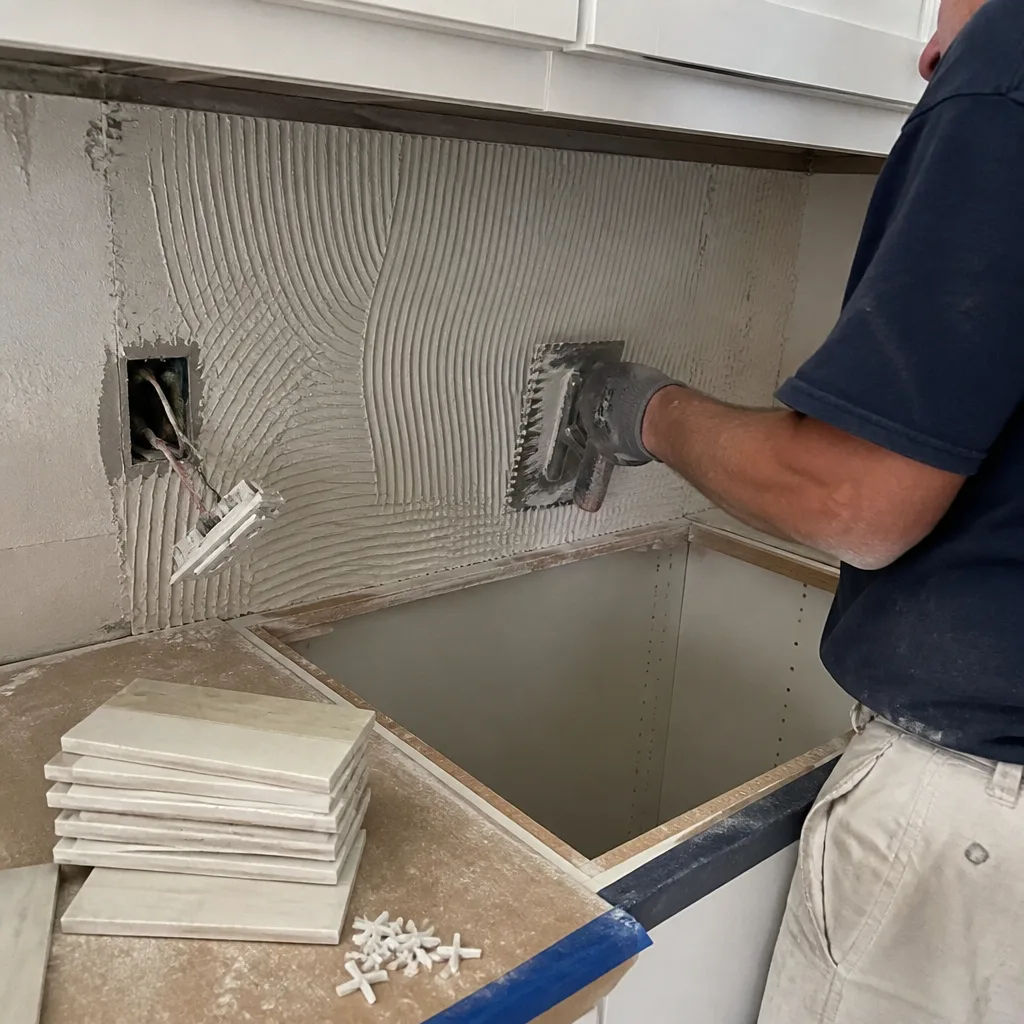
- Permitting and Miami-Dade code requirements: Any island that includes plumbing or electrical requires a permit through the Miami-Dade Building Department. Permit fees in Miami-Dade typically run $150-$400 for a project of this scope, and inspections add 1-2 weeks to the timeline. Older homes in neighborhoods like Coconut Grove, Coral Gables, and Little Havana sometimes require additional code upgrades – GFCI outlets at a new island sink, for example – that add cost but are not optional.
- Existing kitchen layout and clearance: The National Kitchen and Bath Association recommends a minimum 42-inch walkway around a working island. In Miami’s older bungalow-style homes in areas like Wynwood or the Roads neighborhood, kitchens were not designed with an island in mind, and achieving that clearance sometimes means reconfiguring existing cabinetry or losing a run of lower cabinets on the perimeter wall. That work is real and has a price.
- Countertop material: A Caesarstone or Cambria quartz slab runs $65-$120 per square foot installed in the Miami market. A prefabricated butcher block top from a stock supplier runs $25-$55 per square foot installed. The surface choice alone can shift the total project cost by $800-$2,200 on a standard 6-foot island.
- Cabinet construction and brand: KraftMaid and Wellborn both offer solid plywood-box construction with dovetail drawers, which is the spec Rowan quotes as a baseline. Particle-board box cabinets cost less upfront but swell in Miami’s humidity and tend to require replacement inside eight years. The written quote will name the brand and construction type so the comparison is honest.
- Plumbing and electrical add-ons: An island sink with a garbage disposal requires a new drain line stubbed through the subfloor and typically a new supply line routed from the nearest wet wall. In Miami’s slab-on-grade construction, which is the dominant foundation type here, that means core-drilling through concrete – a $200-$450 add-on that many quotes bury in a contingency line. Rowan’s scope names it explicitly.
- South Florida climate and material handling: Miami’s year-round humidity affects how materials are stored, acclimated, and installed. Cabinet boxes and millwork that arrive dry-packed from a Midwest manufacturer need time to acclimate before installation; skipping that step causes joints to shift after the project closes. It’s a process detail that doesn’t show up on a quote but shows up later in callbacks. Rowan crews document the acclimation period in the photo record as a standard step.
BeforeAfterHow the Miami Permitting Process Works for Island Installations
Miami homeowners frequently underestimate how much the permitting layer affects both cost and timeline for a kitchen island with utility connections. Here’s how it actually works in Miami-Dade County.
If the island is purely a carpentry project – no new plumbing, no new electrical circuits, no gas connections – a permit is generally not required. You’re installing furniture-grade cabinetry and a countertop. The finished product needs to meet building code for clearances, but no inspection is triggered.
Add a sink, and the project becomes a plumbing permit. Add a dedicated 20-amp circuit for appliances or under-island outlets, and it’s an electrical permit. Both can sometimes be pulled under a single general contractor permit, which simplifies scheduling, but the inspections are separate and sequential – rough plumbing or rough electrical must pass before the island is enclosed with cabinetry.
In practice, this sequence adds 7-14 working days to a project that could otherwise be completed in 2-3 days. That timeline is real, and a contractor who promises a faster result either isn’t pulling permits or is guessing. Rowan’s written scope includes the permit timeline as part of the project schedule, not as a footnote.
Permit fees for a kitchen island project in Miami-Dade typically range from $150 to $550 depending on the valuation of work declared on the permit application. Those fees are included in the written quote – not added as a surprise at the end.
Comparing Kitchen Island Costs to a Full Kitchen Remodel
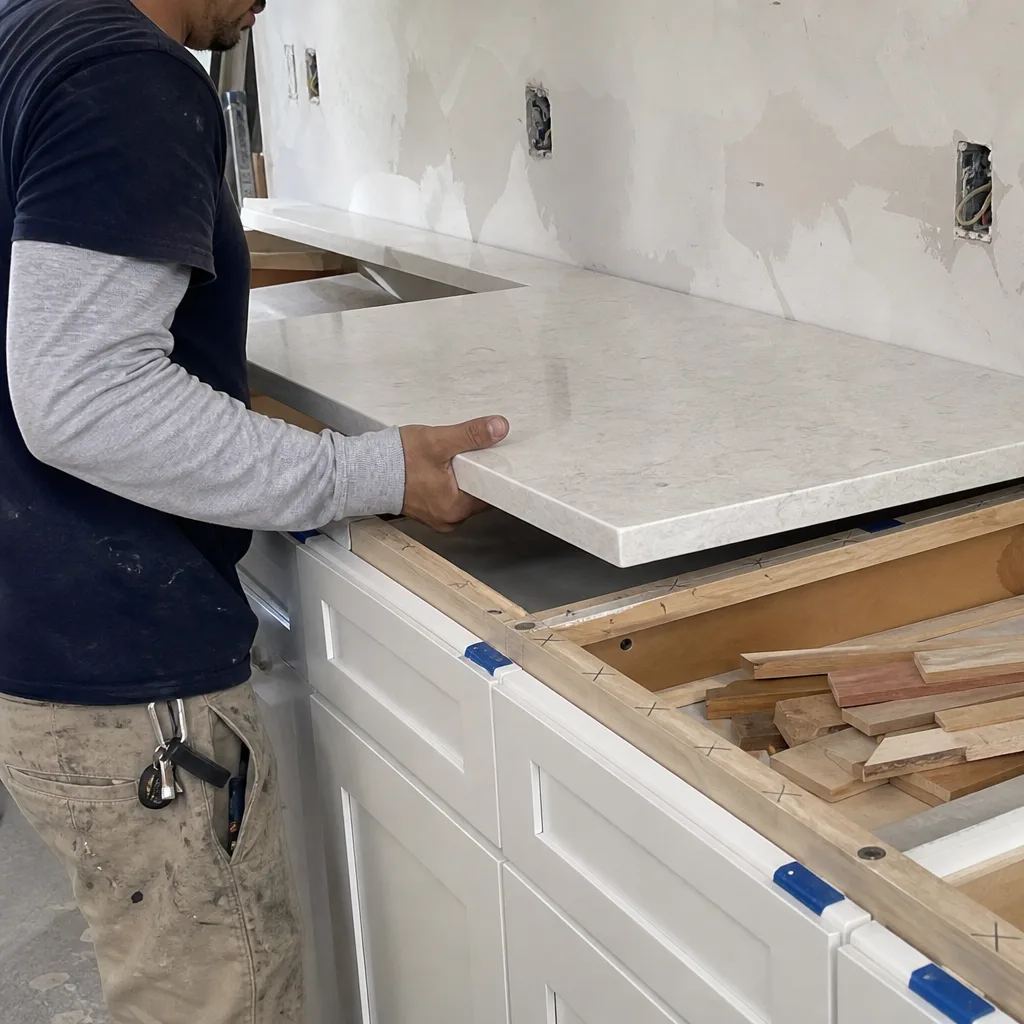
A kitchen island installation sits at $3,540-$11,800. A full kitchen remodel in Miami runs $16,520-$53,100. For homeowners who are happy with their existing layout, cabinet condition, and appliances but want to add workspace and storage, an island is one of the higher-return investments available at a fraction of the full remodel cost.
The calculus changes if the existing kitchen is in poor condition. Adding a beautiful custom island to a kitchen with failing laminate cabinets, a cracked tile floor, and dated appliances creates a mismatch that doesn’t photograph well and doesn’t add the resale value homeowners expect. In that case, a conversation about a broader Kitchen Island Installation in Miami scope – or a phased remodel plan – is worth having before committing to the island alone.
Countertop installation alone runs $2,360-$7,670 in Miami if you’re replacing just the perimeter counters. Knowing where the island sits relative to the rest of the kitchen remodel budget helps frame the decision correctly. A written quote with itemized line items makes that comparison possible. A “call for a quote” contractor makes it impossible.
Miami Neighborhoods: What We See on the Ground
Kitchen island work in Miami is not uniform across the metro. Here’s what actually varies by neighborhood, based on projects Rowan Construction Group has completed across Miami-Dade.
In Coral Gables and Pinecrest, kitchens tend to be larger – 200 to 350 square feet – with enough clearance for a generous island without reconfiguring existing cabinetry. These projects often go straight to custom built-in islands with quartz tops, and the budget typically lands in the $7,000-$11,000 range because homeowners in those zip codes are specifying Cambria or Caesarstone rather than laminate.
In Brickell, Edgewater, and Midtown Miami condos, the kitchen footprint is typically smaller and the building’s rules layer on top of code. Many condo associations in those buildings require wet-work permits to go through the building’s engineering department in addition to Miami-Dade Building Department permits – two parallel approval tracks. That adds 1-2 weeks and sometimes requires a licensed MEP (mechanical, electrical, plumbing) engineer to stamp the plans. Rowan’s project managers know which buildings have this requirement and factor it into the written scope before work starts.
In Wynwood, the Roads, and parts of Little Havana, the homes are older – frequently 1940s-1960s construction with narrower kitchen footprints, original electrical panels that may not support a new dedicated circuit without a panel upgrade, and slab-on-grade construction that makes plumbing stub-outs more involved. A kitchen island project in these neighborhoods has a higher probability of surfacing a secondary scope item – panel capacity, drain routing, subfloor leveling – and Rowan’s assessment visit is specifically designed to identify those conditions before the written price is delivered, not after the crew is already on site.
In Doral and Kendall, newer construction typically means larger kitchens, modern electrical panels with capacity to spare, and PVC drain lines that are easier to tap into than the cast iron found in older homes. Island projects here tend to run more straightforwardly, and the budget more often stays at the mid-range of $5,000-$8,000.
How to Save on Kitchen Island Installation
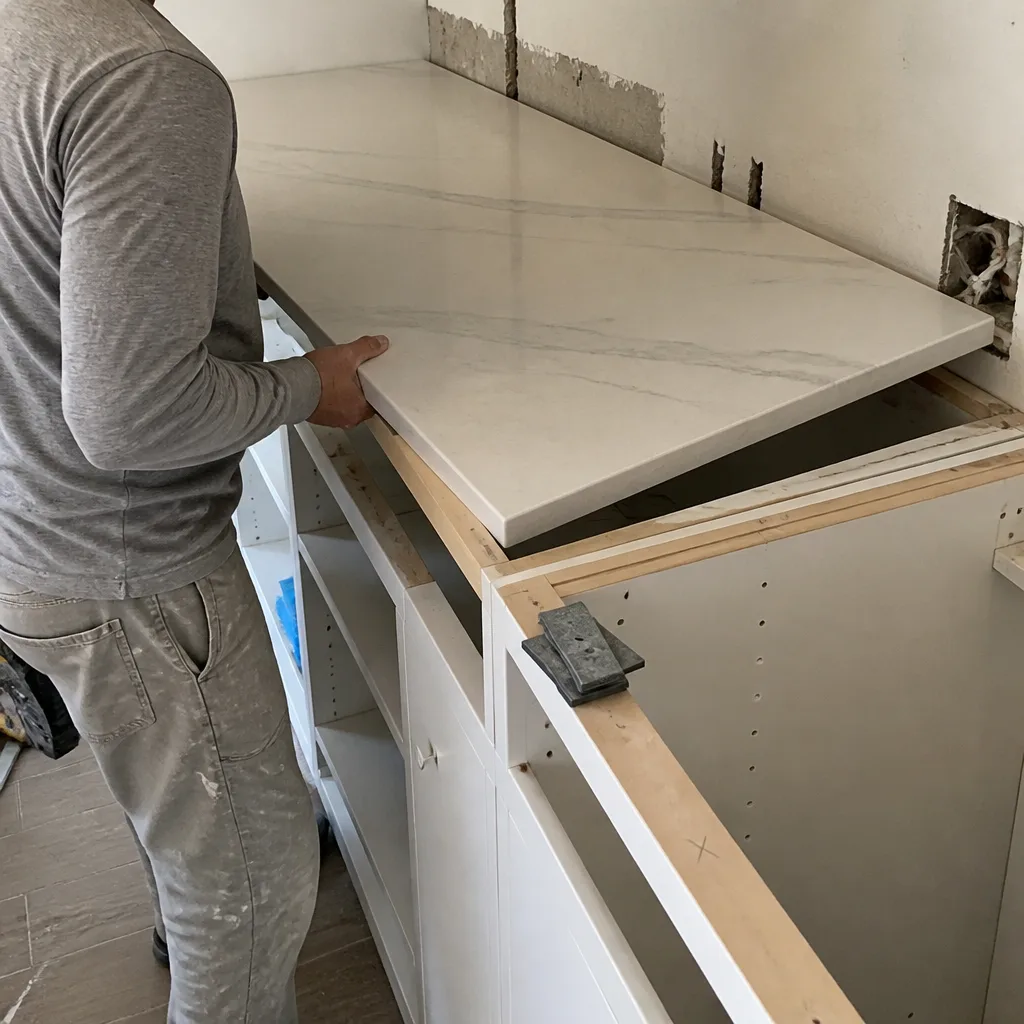
There are real ways to reduce the cost of a kitchen island project without cutting quality, and there are false savings that cost more in the long run. Here’s the honest version.
Choose a freestanding island if the layout allows. A high-quality freestanding island – solid wood or painted MDF with a butcher block or quartz top – can be sourced for $800-$2,000 in materials and installed in a few hours. If your kitchen has the clearance and you don’t need plumbing or electrical, this is a legitimate way to add workspace and storage for $3,500-$4,500 all-in. The trade-off is that it won’t integrate visually with your perimeter cabinetry the way a built-in does, and it won’t add the same resale value.
Skip the sink if the layout permits. Adding a prep sink to an island adds $1,200-$2,400 to the project in Miami once plumbing labor, the permit, and the fixture are factored in. If your main sink is reasonably close, skipping the island sink is the single easiest way to reduce the total cost without compromising the island’s function as a prep and seating surface.
Use semi-custom cabinets rather than fully custom millwork. KraftMaid and Wellborn both offer semi-custom lines with real plywood box construction, soft-close hardware, and a wide range of door styles. The lead time is longer than stock cabinets – typically 4-6 weeks – but the quality is meaningfully better than what a box store sells, and the cost is 20-35% lower than a fully custom shop-built island. Rowan sources from both brands and quotes the actual current pricing at the time of estimate, not a general range.
Get the countertop decision right the first time. Swapping a countertop after installation is a real job with real labor costs. If you’re on the fence between laminate and quartz, it’s worth spending the extra $600-$1,200 now rather than doing it twice. Cambria and Caesarstone both carry warranties that cover cracks and manufacturing defects, and neither requires annual sealing – a meaningful consideration in Miami’s kitchen environment where condensation from glasses and humidity from cooking are constants.
Ask for the free second opinion before committing to any written estimate. Rowan offers a Free Second Opinion on any competitor’s written quote. Bring the itemized scope and Rowan will review it line by line at no charge – looking for bundled contingencies, missing permit costs, and spec downgrades that aren’t obvious unless you know what to look for. To schedule a free estimate or second opinion, call (786) 321-4970.
What to Ask Any Contractor Before Signing
Miami homeowners who have gone through a remodel before know that the price a contractor quotes and the price they invoice can diverge significantly if the contract doesn’t prevent it. Here are the specific questions worth asking before any work begins.
- Is the price a flat written price, or an estimate? An estimate is a guess with legal room to grow. A flat written price with a defined scope is what keeps projects on budget. Rowan’s quotes are flat prices with written scopes – that distinction is the whole point of the Haven Standard.
- Are permits included in the price? Some contractors quote the construction work and bill permits as a pass-through at the end. That’s a legitimate practice, but it needs to be stated clearly. Rowan includes permit fees in the written quote.
- Will you provide a photo record at completion? A documented photo record of what was found and what was installed – including framing, rough plumbing, rough electrical before the walls close – is the homeowner’s evidence that the work was done as specified. Rowan provides this as a standard deliverable on every project, not an upgrade.
- What happens if something unexpected comes up? The honest answer is: a signed change order is issued before any additional work proceeds, showing the added scope and the added cost. That’s Rowan’s practice under the Haven Standard. A contractor who says “we’ll figure it out” is describing a process that tends to figure itself out at your expense.
- Who will actually be doing the work? Background-checked, uniformed technicians is not a marketing phrase at Rowan – it’s an operational requirement. Knowing who is in your home matters, and being able to verify it matters more.
FAQs – Kitchen Island Installation Cost in Miami
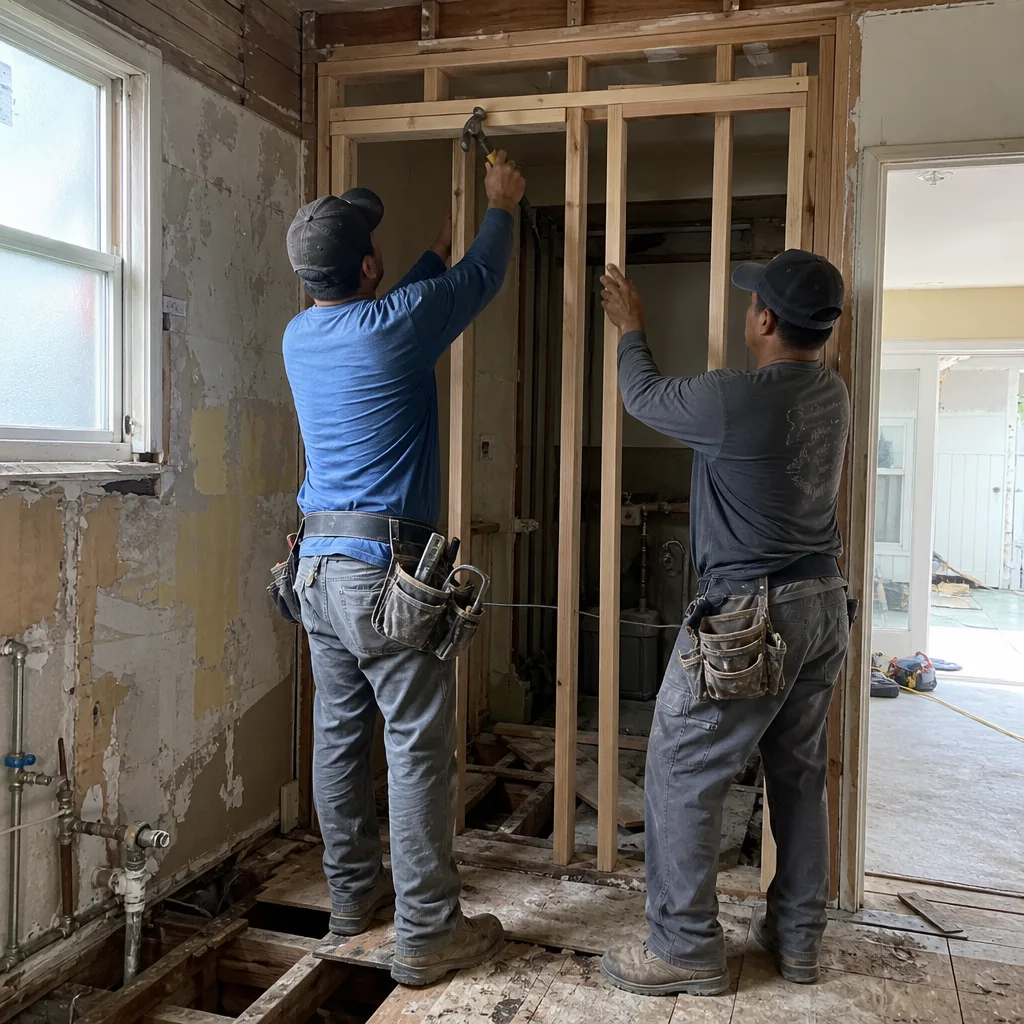
How much does kitchen island installation cost in Miami?
Kitchen island installation in Miami costs $3,540-$11,800, with most projects landing between $5,000 and $7,500. A basic freestanding island without utility connections sits at the lower end; a fully custom built-in with Cambria quartz, a prep sink, and a dedicated electrical circuit reaches the upper end. Rowan delivers a flat written price before any work starts – call (786) 321-4970 for a free estimate with an exact number for your kitchen.
How much does it cost to add plumbing to a kitchen island in Miami?
Adding plumbing to a kitchen island in Miami typically adds $1,200-$2,400 to the base installation cost. That range covers the rough-in labor, the permit from Miami-Dade Building Department, core-drilling through slab-on-grade if needed, a supply line, a drain line, and a Kohler or Toto fixture at a mid-range spec. Homes in older Miami neighborhoods with cast iron drain lines or homes in condos with building engineering requirements may fall at the higher end of that range. Call (786) 321-4970 for an estimate specific to your home’s configuration.
Does a kitchen island add value to a Miami home?
A built-in kitchen island adds measurable resale value in Miami’s market, particularly in neighborhoods like Coral Gables, Pinecrest, and Doral where kitchen size and functionality are primary buyer evaluation criteria. A custom island with quartz countertops and integrated storage typically returns 60-80% of its cost at resale in the Miami metro, based on data from local appraisers and real estate professionals. The return is lower for freestanding units, which buyers treat as furniture rather than a permanent improvement.
How long does kitchen island installation take in Miami?
A freestanding island installation takes 4-8 hours. A built-in island without utility connections typically takes 2-3 days. A full custom island with plumbing and electrical – including the permitting and inspection cycle through Miami-Dade Building Department – typically takes 3-4 weeks from permit submission to final inspection, with 3-5 actual crew days on site. Rowan includes the permit timeline in the written project schedule so you know what to expect before work begins.
Is it cheaper to buy a prefab island or have one custom built?
A prefabricated freestanding island costs $3,540-$4,800 all-in installed in Miami. A custom built-in island starts at $4,800 and reaches $11,800 at full spec. The prefab option costs less upfront but typically has less storage, shallower drawers, lighter countertop materials, and no option to add plumbing or electrical. For homeowners who plan to stay in the home more than five years and want the island to integrate with the kitchen design, the custom built-in delivers better long-term value. For a rental property or a short-term stay, the freestanding option is the honest recommendation. Call (786) 321-4970 and Rowan will lay out both options in writing before you decide.
What permits are required for kitchen island installation in Miami?
A kitchen island that is purely cabinetry and countertop work – no plumbing, no new electrical circuits – does not require a permit in Miami-Dade County. Any island that includes a sink, a garbage disposal, a new dedicated circuit, or hardwired lighting requires the corresponding plumbing or electrical permit. Both require inspections before the island is closed in, which affects the installation timeline. Rowan handles all permit applications and coordinates inspections as part of the project scope – permit fees are included in the written quote, not added at the end.
Key Takeaways
- Kitchen island installation in Miami costs $3,540-$11,800, with the $5,000-$7,500 range covering most built-in projects.
- Adding plumbing adds $1,200-$2,400; adding electrical adds $800-$1,800. Both require Miami-Dade permits.
- Older neighborhoods like Coconut Grove, Little Havana, and Wynwood carry higher probability of secondary scope items (panel capacity, slab core-drilling, cast iron drain lines).
- Cambria and Caesarstone quartz countertops run $65-$120 per square foot installed in Miami and require no sealing – a meaningful maintenance consideration in this climate.
- Rowan delivers a flat written price before any work begins. No change proceeds without a signed change order. Every project includes a documented photo record.
- The 365-Day Done Right Promise applies: if it’s not done right, Rowan makes it right.
- A Free Second Opinion on any competitor’s written estimate is available at no charge – call (786) 321-4970.
Get a Written Price for Your Miami Kitchen Island
Rowan Construction Group has delivered written prices on more than 4,000 projects since Grant Rowan founded the company in 2007, and the kitchen island projects are among the most satisfying – defined scope, defined cost, and a result the homeowner can see and use every day. If you’re ready to put a number in writing rather than trade in vague estimates, call (786) 321-4970. The estimate is free, the price will be flat, and the scope will be written before anyone touches your kitchen.
You can also learn more about what’s included in a full project on our home page, or go directly to the service page for full details on what a project involves from the first site visit to the photo record at completion.
Grant Rowan and the Rowan Construction Group team serve Miami-Dade County, including Coral Gables, Pinecrest, Coconut Grove, Doral, Kendall, Brickell, Edgewater, Wynwood, and surrounding areas. Background-checked crews, uniformed technicians, and a live person answering calls – that’s the standard, not the selling point.
Written by Grant Rowan, Owner at Rowan Construction Group Miami, serving Miami, FL since 2007. Pricing reflects the Miami market as of 2026. Rowan Construction Group Miami offers free estimates – call (786) 321-4970.
What Our Customers Say
"Talked us out of the larger scope we came in asking for, because it would not have added the value we thought."
- Emil R."Driveway replaced properly with a base that will actually last. They explained why the cheaper quote was cheaper."
- Reggie O."Good communication throughout. Weekly written update meant I never had to chase them."
- Nadine G.