
Last updated September 22, 2026
Free written scope consultation - allowances, timeline, and change-order rules on paper before a single trade is scheduled
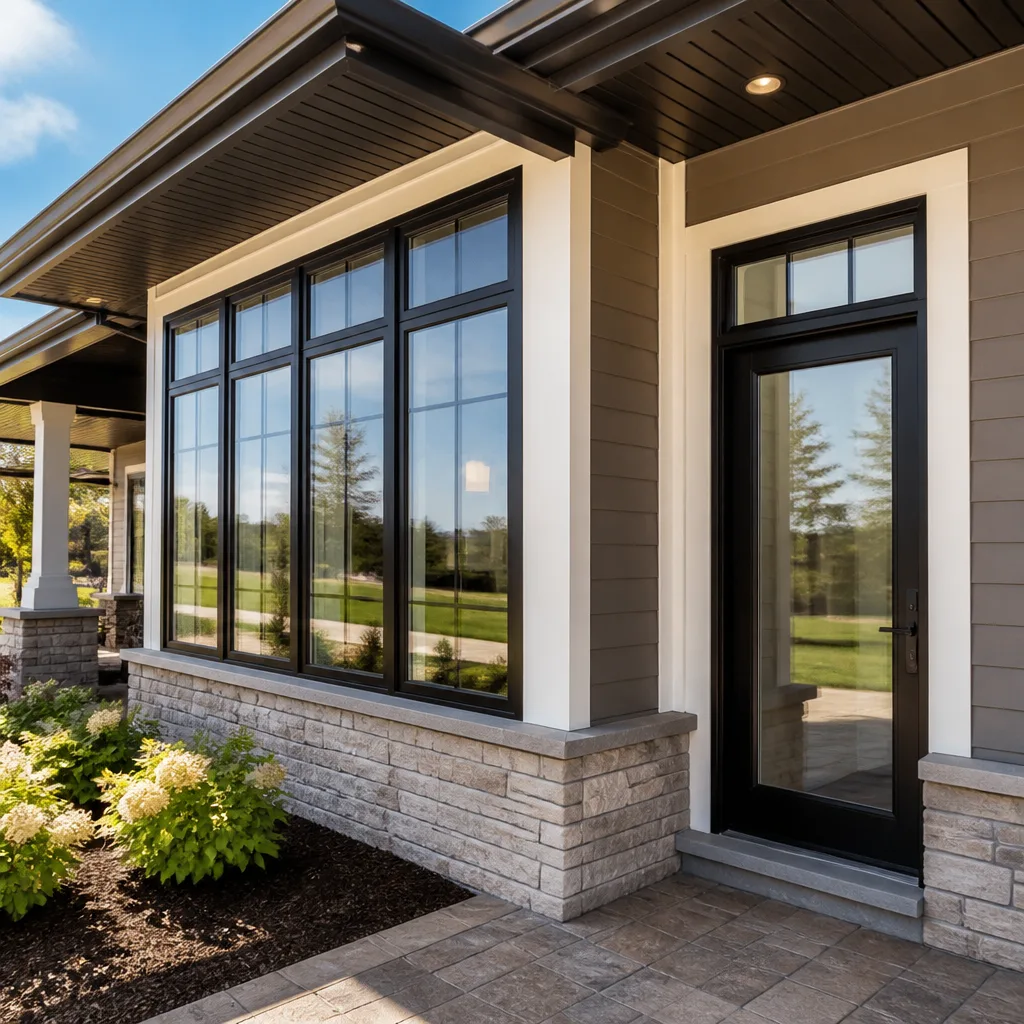
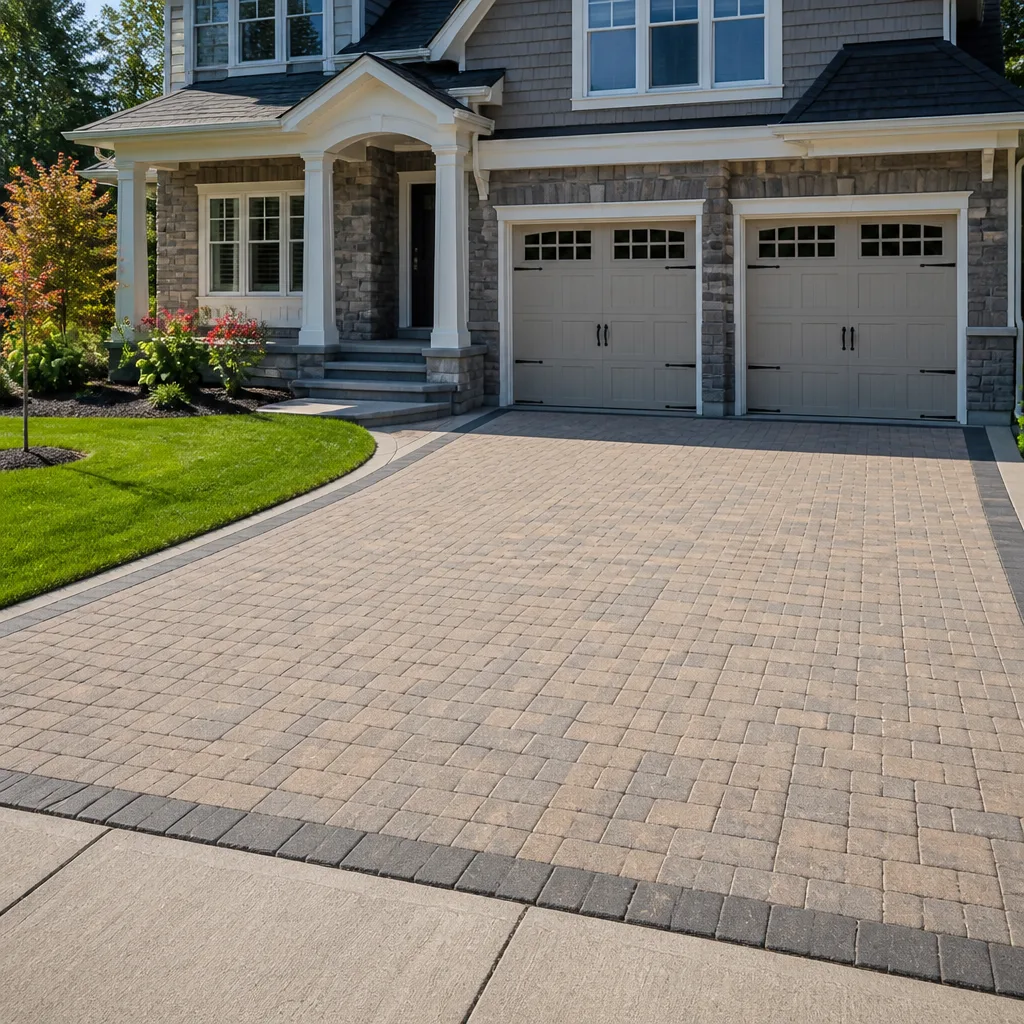
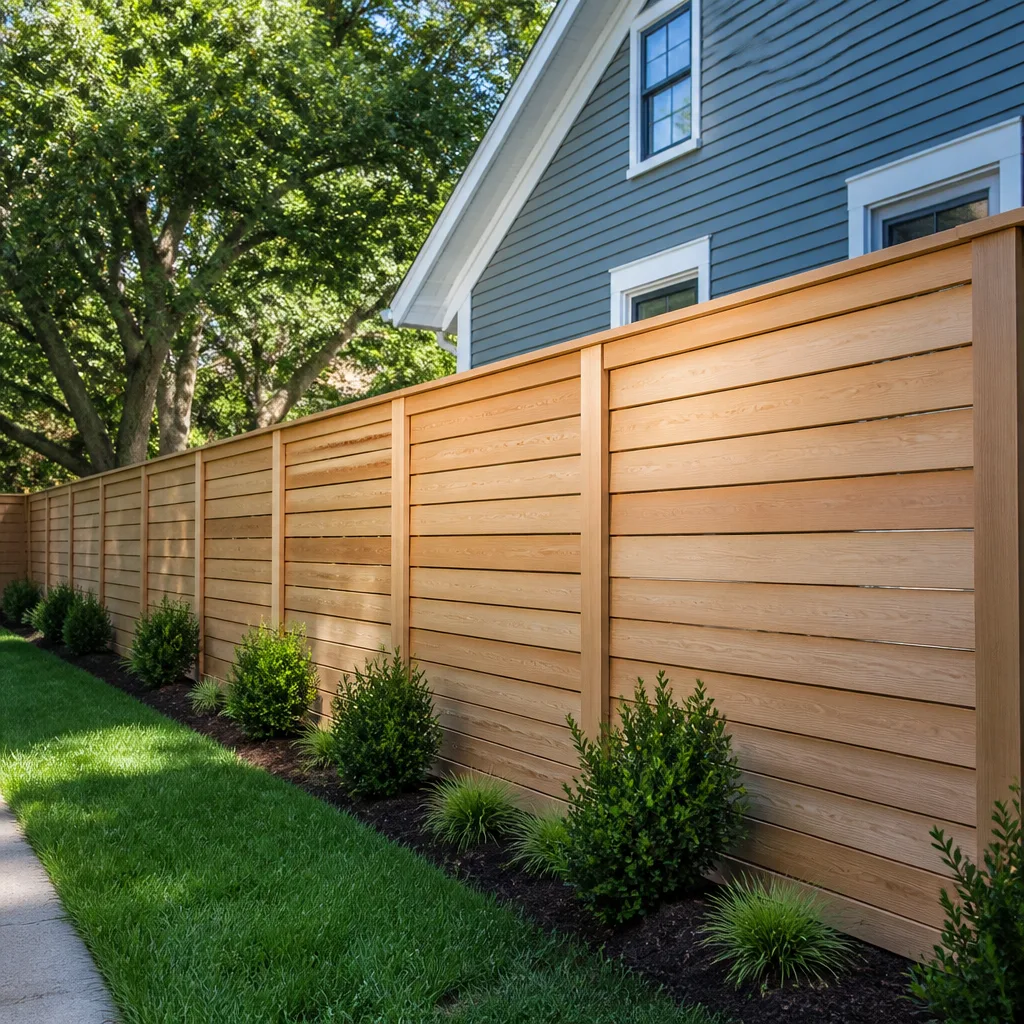
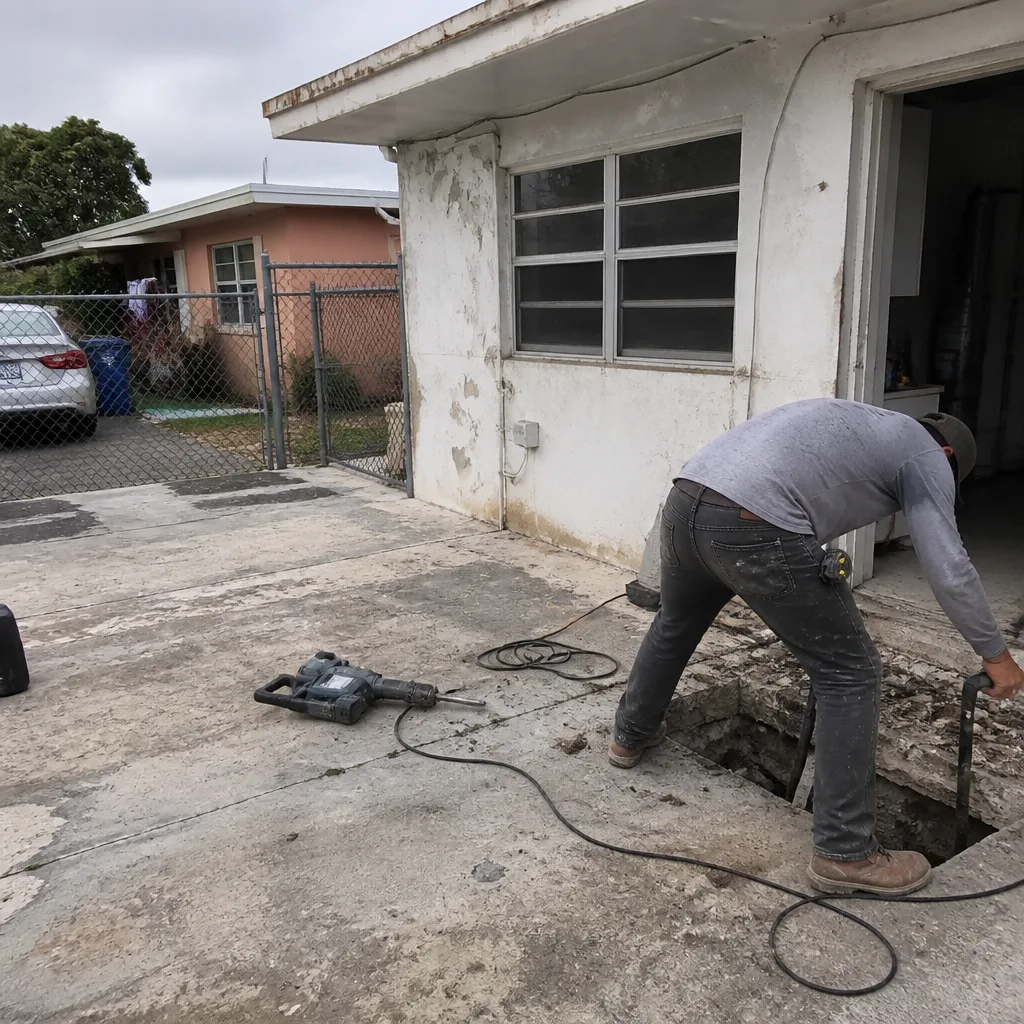 Before
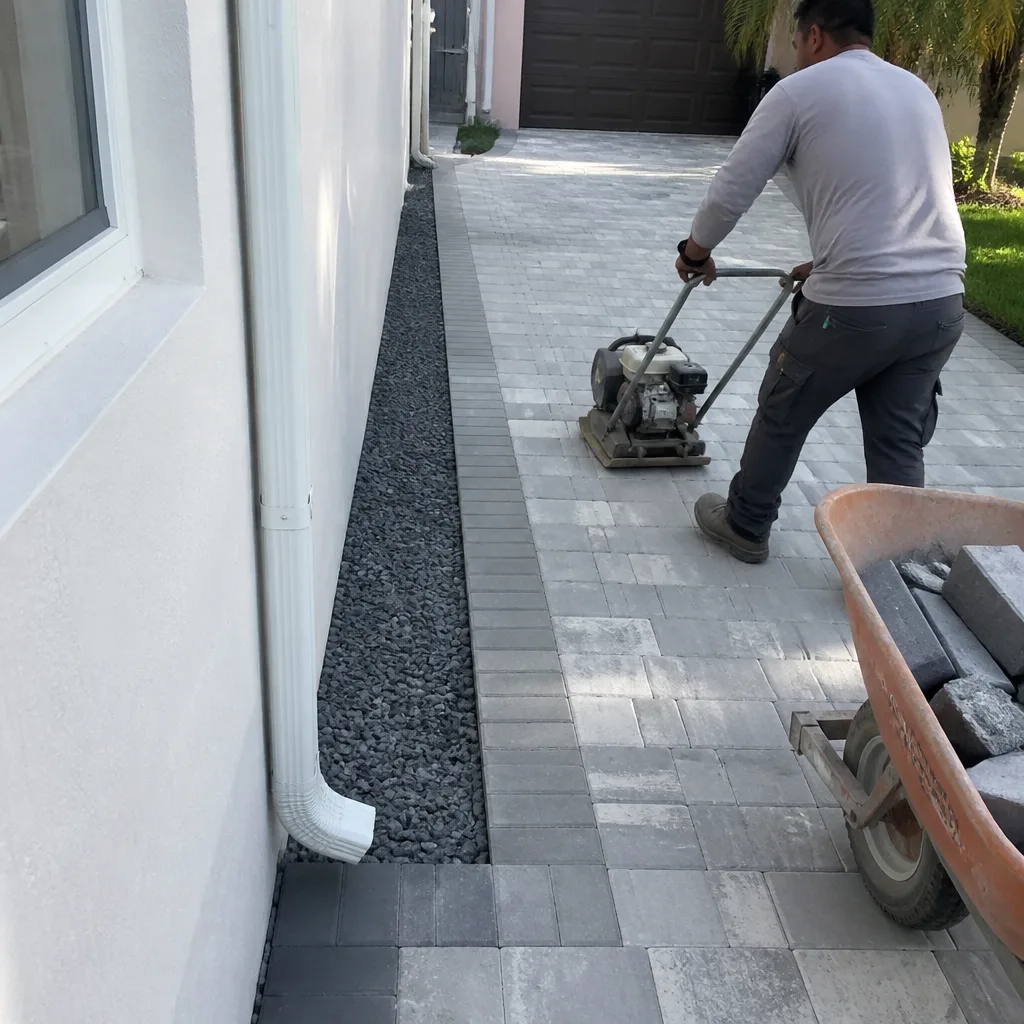 After
After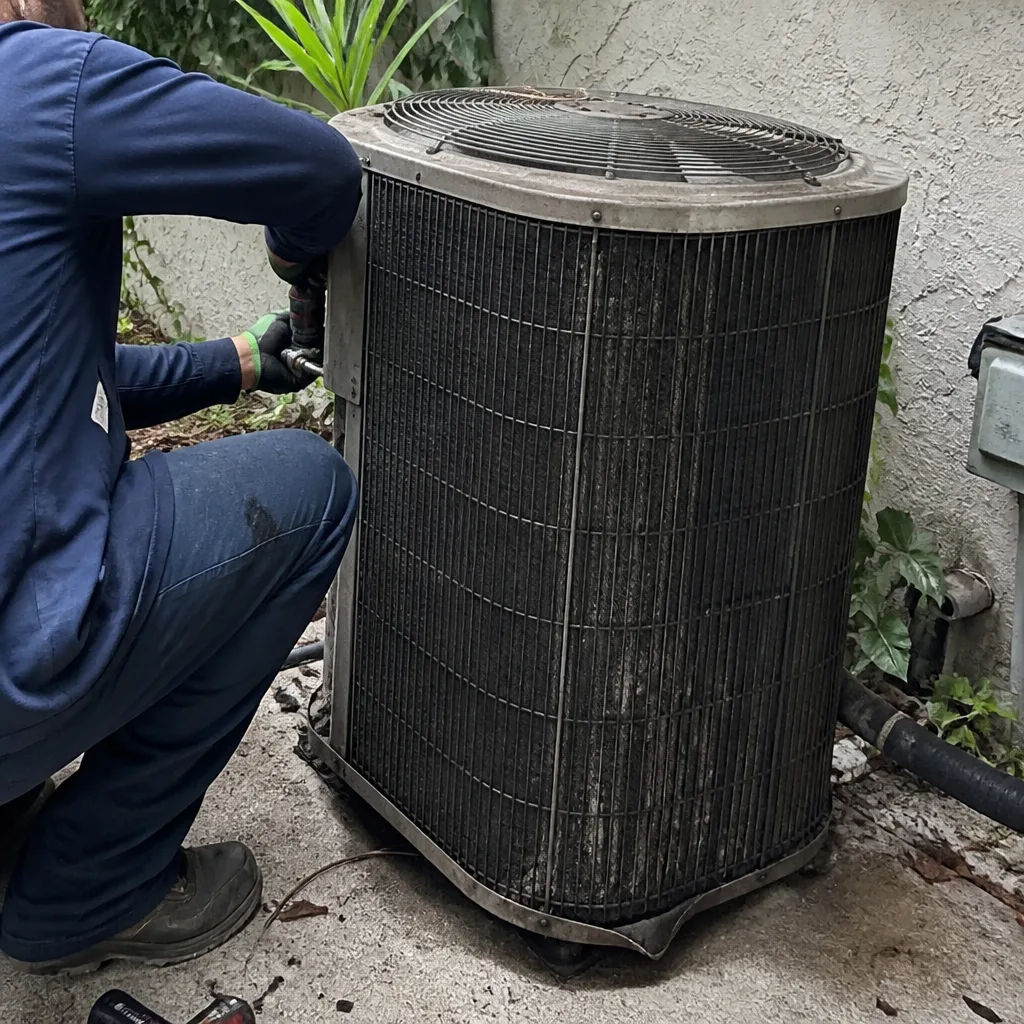 Before
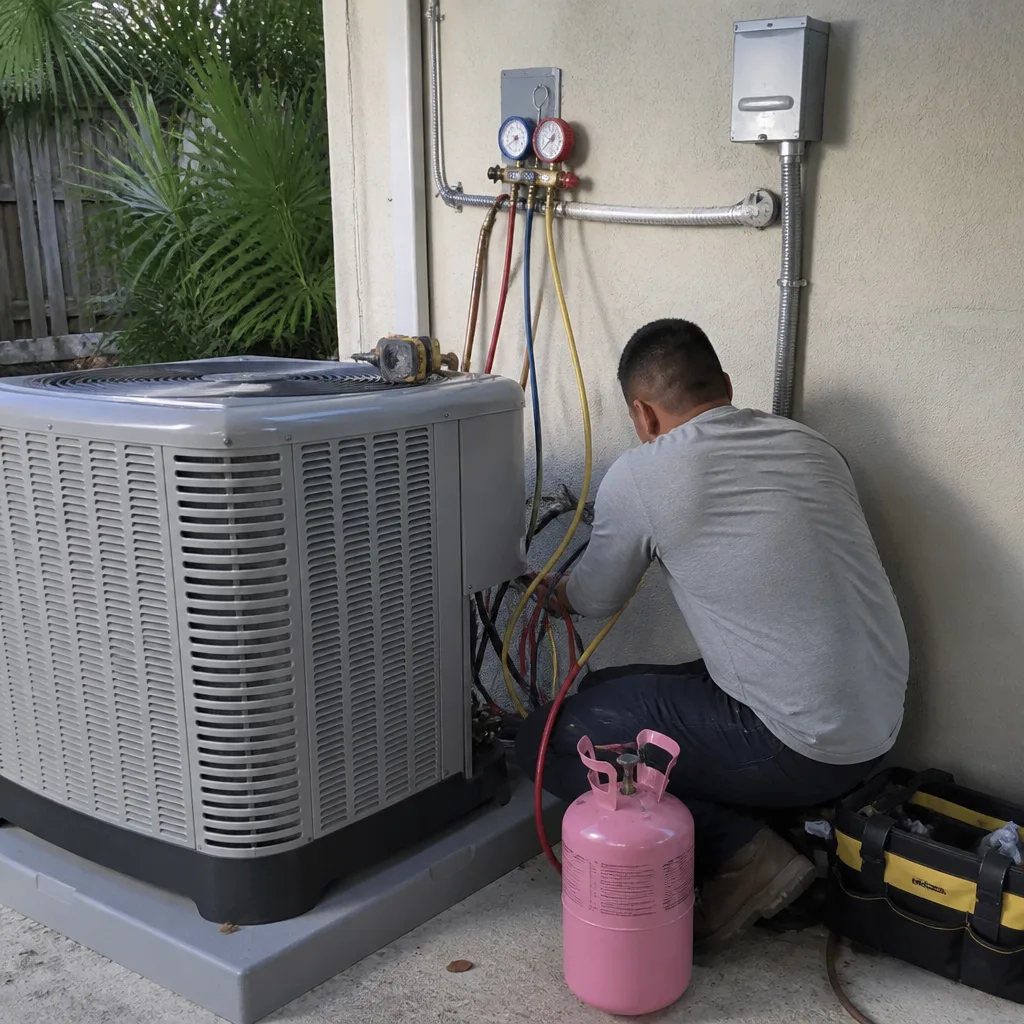 After
After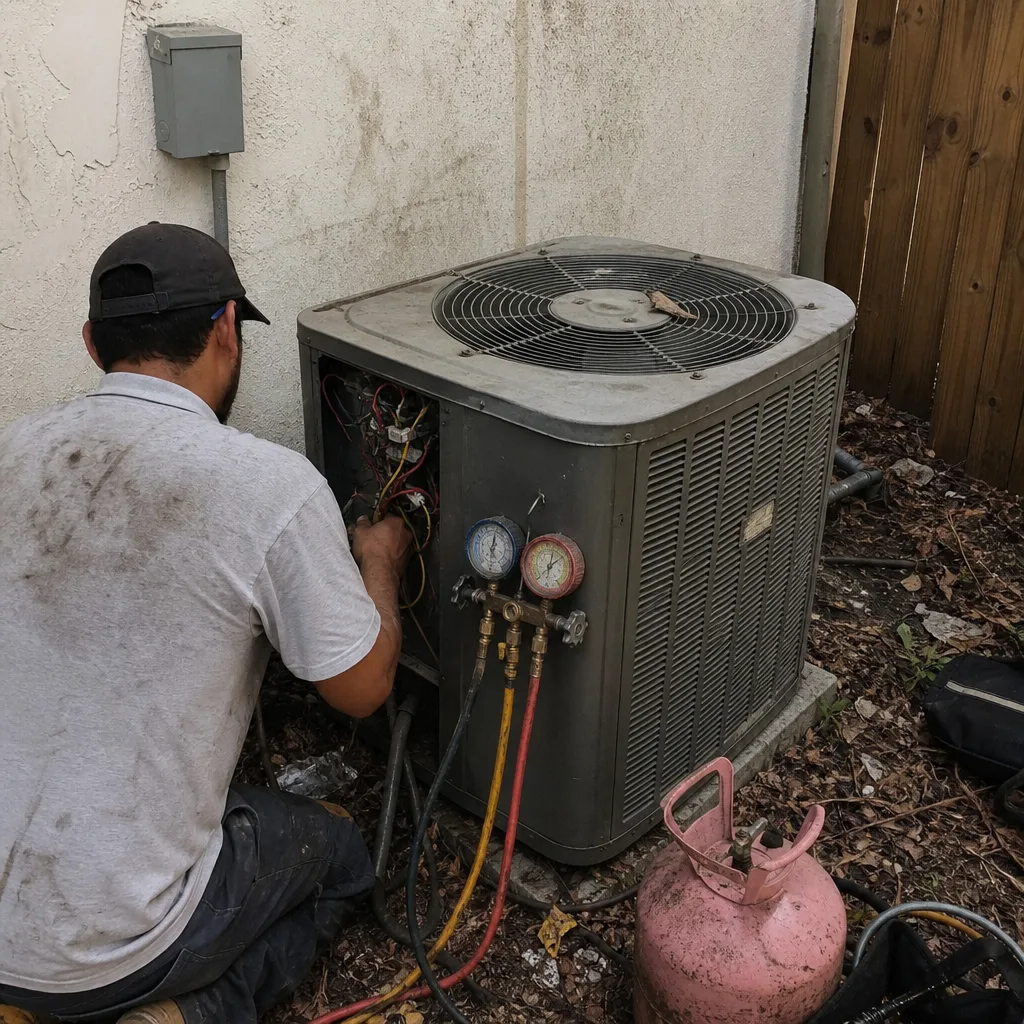 Before
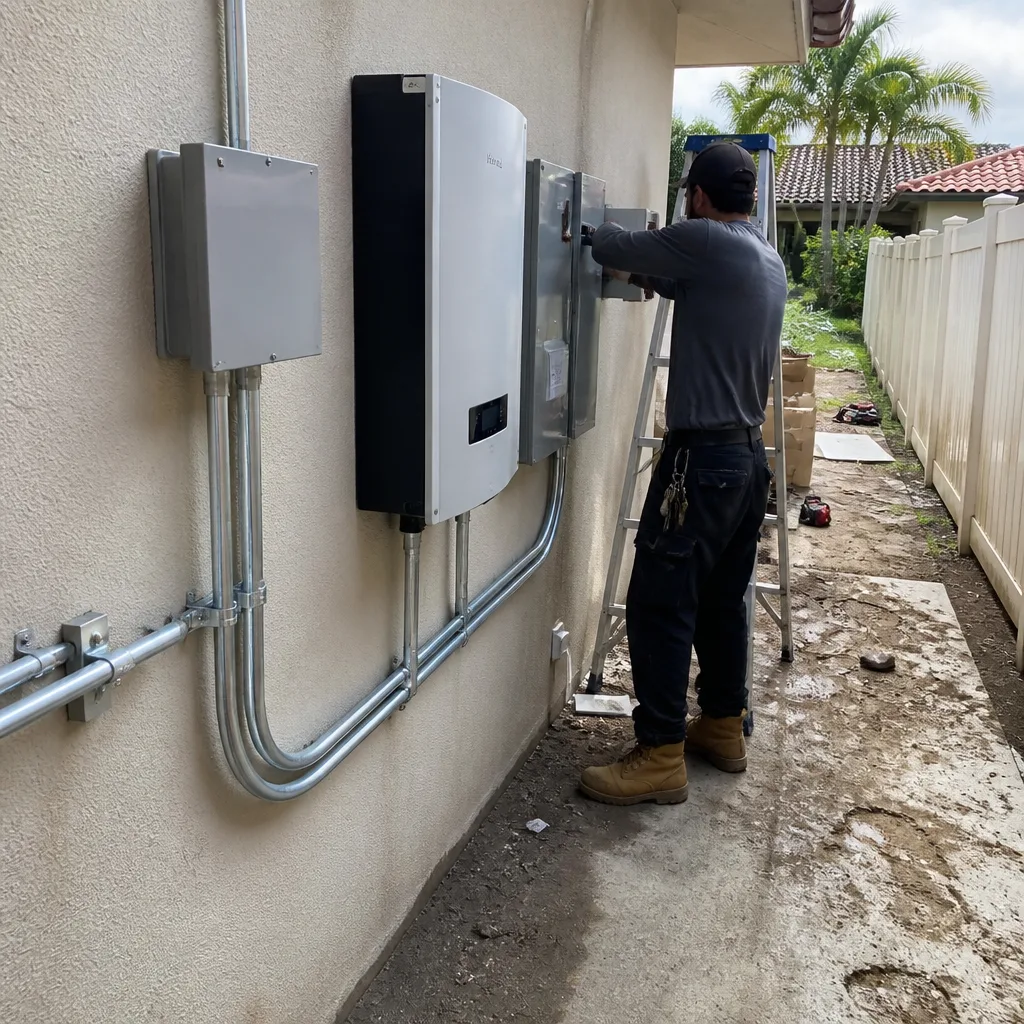 After
AfterConstruction Cost Breakdown: The Miami Homeowner’s Reference for 2026
Impact-resistant windows required by Miami-Dade’s HVHZ designation cost $55-$120 per square foot installed, roughly 2-3x the cost of standard double-pane windows quoted in national remodeling cost databases. That single line item makes most online calculators functionally useless for Miami project budgeting. In this guide, we’ll separate fixed costs from allowances, itemize where Miami-specific factors add cost above national averages, and give you 2026 price ranges you can screenshot and compare - with the specific decisions that move a project toward the low or high end. For more guides & resources on Miami construction, visit our blog.
Quick Answer
A complete construction cost breakdown for Miami in 2026 runs $180-$450 per square foot depending on trade mix and finish level, with hurricane-rated materials, HVHZ-compliant windows, and elevated labor rates adding 25-40% above national benchmarks. The most useful budget separates hard costs (fixed material and labor) from allowances (owner-selected finishes), includes 10-20% contingency for Miami-specific risks like hidden hurricane damage or cast iron drain replacement, and requires signed change orders before any out-of-scope work proceeds.
Table of Contents
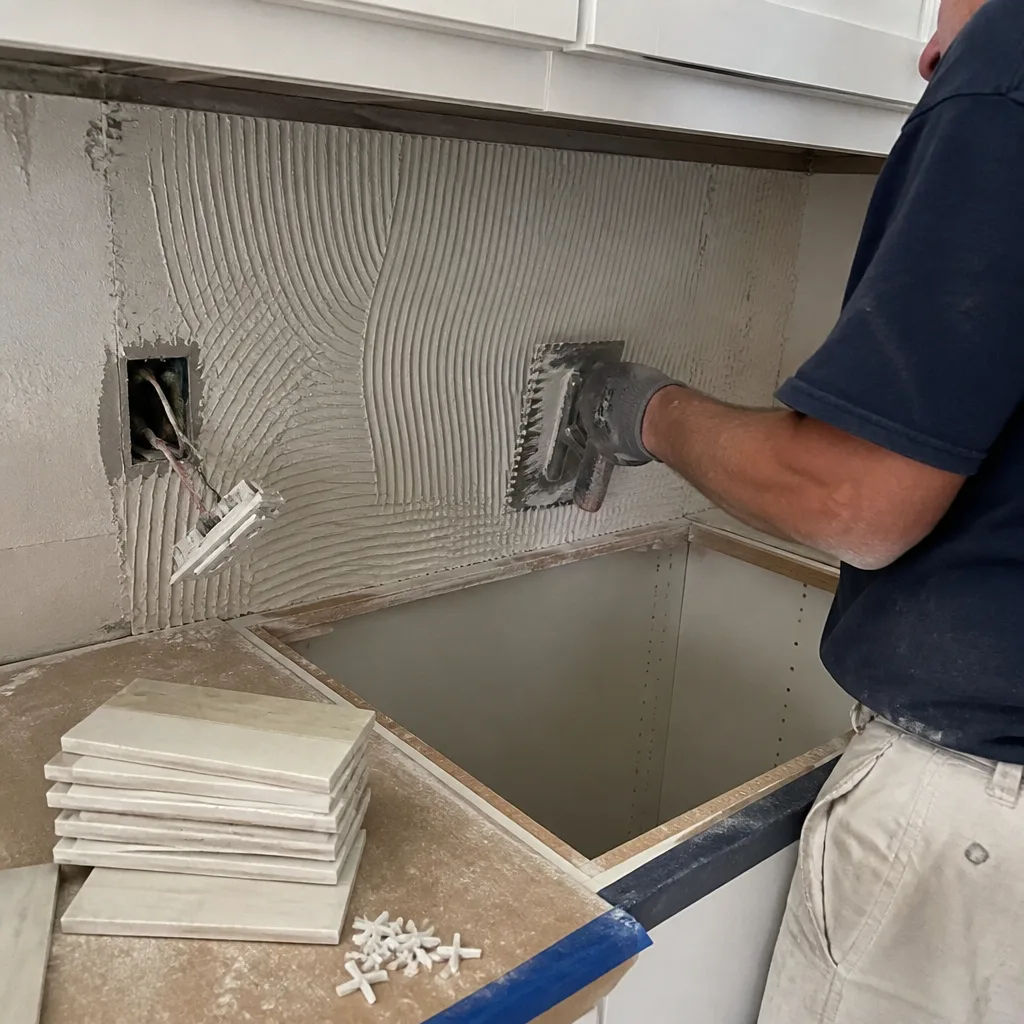
- The Miami Cost Premium: Why National Calculators Fail
- Trade-by-Trade Cost Breakdown for 2026
- How to Read a Contractor Estimate
- Contingency Planning by Project Type
- Change Orders as Cost Control
- How Material Selections Move the Number
- Permits, Inspections, and Timelines in Miami-Dade
- Common Mistakes to Avoid
BeforeAfterThe Miami Cost Premium: Why National Calculators Fail
National cost databases quote kitchen remodels at $150-$450 per square foot and home additions at $100-$300 per square foot. In Miami, we’ve seen the same scope land 25-40% higher - and it’s not markup, it’s code and climate.
Three factors drive the gap:
- HVHZ product requirements. Miami-Dade’s High Velocity Hurricane Zone mandates impact-resistant glazing, pressure-rated doors, and roofing systems tested to TAS-100 or ASTM E1886 standards. A standard vinyl window runs $35-$55 per square foot; the HVHZ-rated equivalent is $55-$120. Multiply by 20-40 windows in a typical home and the premium becomes unavoidable.
- Elevated labor rates. Bureau of Labor Statistics data puts Miami construction labor 18-22% above the national median. Skilled trades - electricians, plumbers, roofers with HVHZ certification - command premium wages in a market where demand outstrips supply during peak season (November through April).
- Foundation and elevation requirements. Miami-Dade’s flood zones require elevated or flood-resistant construction per FEMA and local amendments. A slab-on-grade addition in Orlando might run $12-$18 per square foot for the foundation; the same scope in flood-prone Coral Gables or Coconut Grove with required elevation can hit $28-$45 per square foot.
Permit fees add another layer. For full details, see our guide to Construction Permits, Codes & Inspections in FL: What You Need to Know. Miami-Dade County charges building permit fees based on project valuation, with residential construction typically falling in the $8-$15 per $1,000 of estimated cost range. A $200,000 home addition generates roughly $1,600-$3,000 in county permit fees alone, before city-level fees in Miami proper, Coral Gables, or Pinecrest. Plan review fees, impact fees, and utility connection fees can add another $2,000-$5,000 depending on scope.
The practical takeaway: any budget built on national averages will collapse in Miami. Use the trade-specific ranges below, sourced from our 2026 project pipeline and material supplier quotes.
Trade-by-Trade Cost Breakdown for 2026
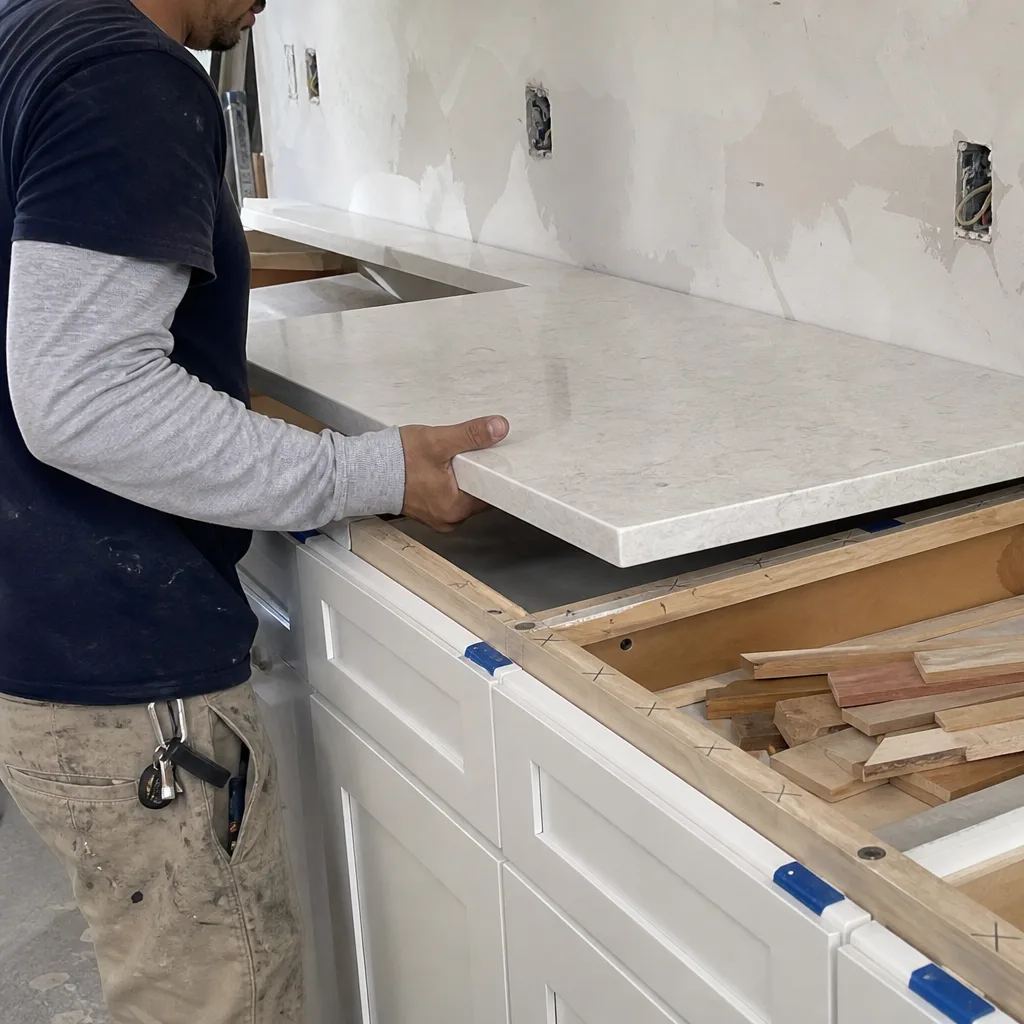
These ranges reflect all-in costs (material, labor, overhead, and standard markup) for Miami-Dade projects in 2026. Low end assumes basic finishes, straightforward access, and minimal structural modification. High end assumes premium materials, complex conditions, and full gut conditions.
| Trade | Low Range | Mid Range | High Range | Miami-Specific Cost Driver |
|---|---|---|---|---|
| Framing (wood, per sq ft) | $18-$24 | $24-$32 | $32-$48 | Pressure-treated lumber for humidity; steel reinforcement in HVHZ |
| Roofing (per sq ft installed) | $6.50-$9.50 | $9.50-$14.00 | $14.00-$22.00 | TAS-100 rated shingles or tile; 6-nail pattern vs. 4-nail |
| Electrical (per sq ft of project) | $8-$12 | $12-$18 | $18-$28 | Aluminum wiring remediation; whole-home surge protection |
| Plumbing (per sq ft of project) | $6-$10 | $10-$16 | $16-$26 | Cast iron drain replacement; backflow prevention; tankless upgrade |
| HVAC (per ton, installed) | $3,200-$4,500 | $4,500-$6,500 | $6,500-$9,500 | Hurricane-rated pad and straps; ductwork in unconditioned attic |
| Windows/Doors (per sq ft of opening) | $55-$75 | $75-$95 | $95-$120 | HVHZ impact rating; laminated glass; reinforced frames |
| Exterior Finishes (per sq ft) | $4-$8 | $8-$14 | $14-$28 | Stucco vs. siding; moisture barriers; weep screed detail |
| Interior Finishes (per sq ft) | $12-$20 | $20-$35 | $35-$65 | Tile vs. LVP; custom millwork; level 5 drywall |
These figures assume standard residential construction. Commercial-grade or architect-designed projects can exceed the high range significantly.
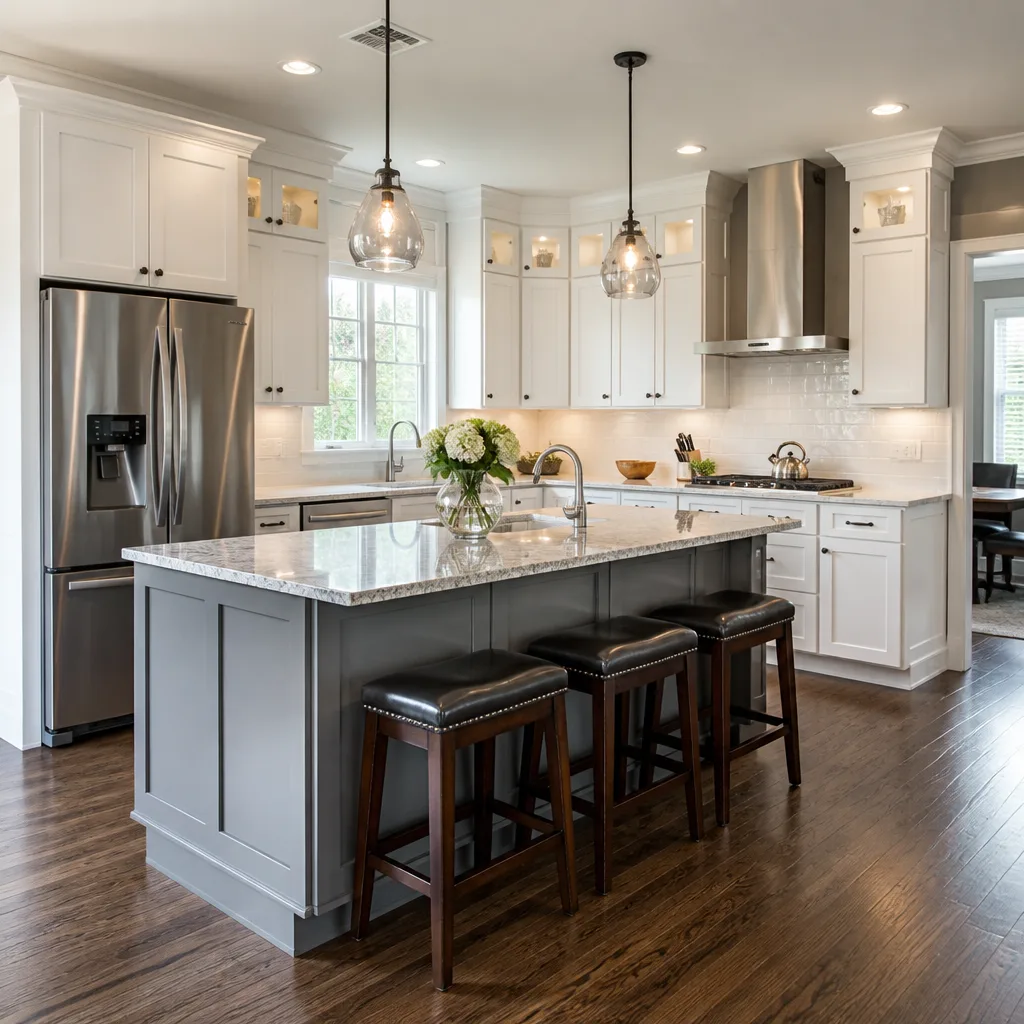
For kitchen remodeling in Miami, the cabinet line alone spans $150-$650 per linear foot installed. A 10×10 kitchen with KraftMaid semi-custom cabinetry runs $8,500-$14,000 for boxes and installation; Wellborn’s full-custom line with inset doors and soft-close hardware pushes $18,000-$28,000 for the same footprint. Countertops layer on top: Caesarstone quartz at $65-$95 per square foot installed, or Cambria at $85-$125. The sink and faucet - a Kohler undermount with a Moen pull-down, or a Blanco farmhouse with a professional pre-rinse - add $800-$2,400 depending on the pairing.
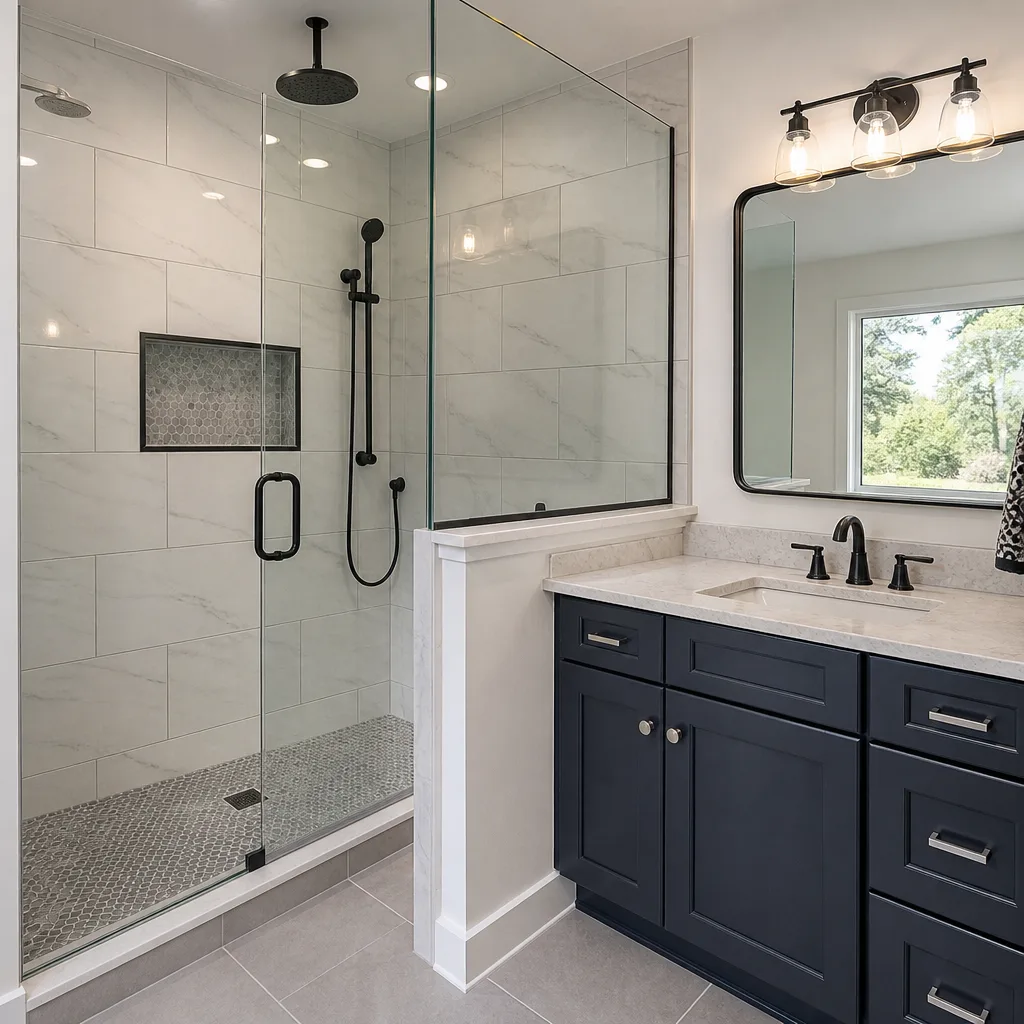
Bathroom remodeling in Miami follows similar arithmetic. A hall bath with a fiberglass surround, basic vanity, and porcelain tile floor runs $18,000-$28,000. A primary bath with curbless shower, linear drain, freestanding tub, and heated floor tile hits $55,000-$85,000. The delta is almost entirely in fixtures and waterproofing detail, not square footage.
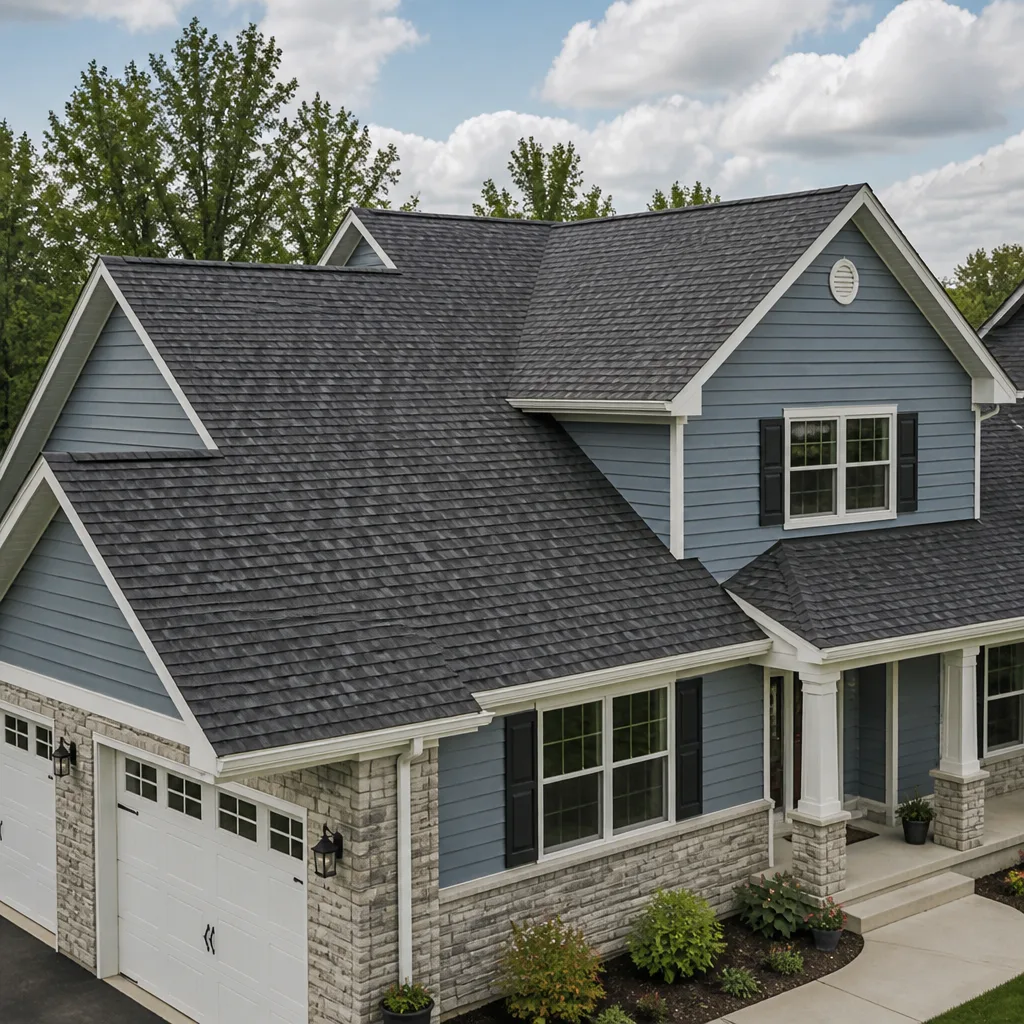
Roofing in Miami carries the most dramatic code-driven cost spread. A 2,000-square-foot roof with standard architectural shingles in a non-HVHZ inland zone might quote at $13,000-$17,000. The same footprint in coastal Miami-Dade with HVHZ-rated tile, upgraded underlayment, and 6-nail fastening pattern runs $28,000-$44,000. We’ve documented both extremes in our photo records - the customer receives the images either way, but the price reflects what the code requires.
How to Read a Contractor Estimate
Not all estimates with the same bottom line describe the same work. The critical skill is distinguishing hard costs from allowances, and fixed-price bids from cost-plus arrangements.
Hard costs are fixed: the contractor has priced specific material quantities and labor hours. If the estimate lists “2,400 sq ft GAF Timberline HDZ shingles, 6-nail HVHZ installation, $14,800,” that’s a hard cost. The number doesn’t move unless the scope changes.
Allowances are placeholders: “Tile allowance, $4,000” or “Lighting allowance, $2,500.” The contractor has budgeted a figure, but the actual material selection happens later. If you select $6,500 in tile, you pay the $2,500 difference. If you select $3,000, you typically receive a credit - though some contracts specify that allowance underspend reverts to the contractor.
Three questions reveal whether an estimate is comparable:
- What percentage of the total is allowance vs. hard cost? A bid that’s 40% allowances is not comparable to a bid that’s 15% allowances, even if the totals match. The allowance-heavy bid contains more uncertainty.
- Are labor and material itemized separately, or lumped? Itemization permits verification. A lump-sum “kitchen cabinets $22,000” cannot be checked against supplier quotes without further breakdown.
- What happens when an allowance is exceeded? The contract should specify: customer pays difference, contractor absorbs up to a threshold, or change order required. Absent that language, disputes follow.
Under Clause 1 of the Haven Standard, Rowan Construction Group Miami delivers a written flat price with written scope before any work starts. Every line item is either a fixed hard cost or an allowance with a clear selection process and overage protocol. “Call for a quote” is not an option here - the number is in writing or the conversation hasn’t started.
Contingency Planning by Project Type
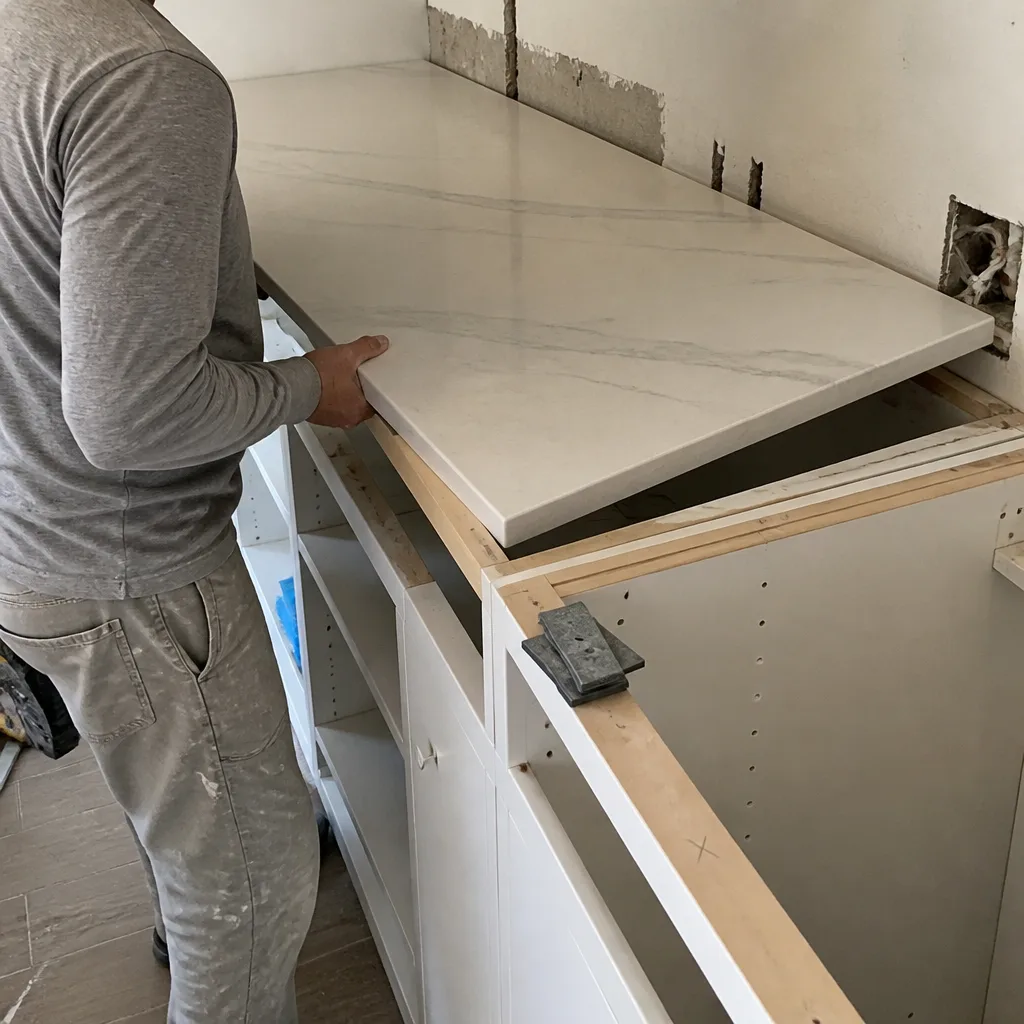
Contingency is not pessimism; it’s the buffer between estimated and actual conditions. The appropriate percentage varies by project type and by what we know about Miami buildings specifically.
| Project Type | Recommended Contingency | Most Common Miami Trigger |
|---|---|---|
| Gut renovation (pre-1990 structure) | 15-20% | Subterranean termite damage to framing; cast iron drain line failure; aluminum wiring replacement |
| Home addition or ADU | 10-15% | Unexpected soil conditions; utility relocation; flood zone elevation requirement discovered in survey |
| Cosmetic remodel (post-2000 structure) | 5-8% | Hidden water damage behind tile; substrate leveling beyond estimate |
| Roof replacement | 8-12% | Deck rot under shingles; inadequate attic ventilation requiring remediation |
The pre-1990 gut renovation carries the highest contingency for specific Miami reasons. Subterranean termites (Reticulitermes flavipes and Coptotermes formosanus) are endemic; we’ve opened walls in Coconut Grove homes where 30% of the sill plate was compromised, invisible until demolition. Cast iron drain lines, common through the 1980s, corrode from the inside; a scoped inspection helps, but surprises remain. See Construction Warning Signs: A Miami Homeowner’s Reference Guide for additional red flags. Aluminum wiring, installed 1965-1973, requires pigtailing or full replacement to meet current insurance requirements - a $4,000-$12,000 addition that doesn’t appear in the initial cosmetic scope.
Our documented photo record on every visit captures conditions as found. The customer sees what we see, and the contingency draw is justified with evidence, not assertion.
Change Orders as Cost Control
A signed change order is the single most reliable predictor of whether a project finishes within a few percent of its original budget. Projects that allow verbal approvals or “while you’re here” additions without documentation statistically overrun by 15-35%.
The mechanism is straightforward: any work outside the written scope requires a written amendment, signed by both parties, before that work proceeds. This creates a pause. The customer sees the price impact. The contractor verifies material availability and schedule impact. Both parties confirm the revision.
Effective change order language in Florida includes:
- A description of the added or deleted scope, specific enough to distinguish it from the original contract
- The price adjustment, itemized by material and labor where material exceeds $500
- The schedule impact, in days
- A statement that no work proceeds until the change order is signed and returned
- Signatures of both contractor and customer with date
This is the administrative discipline Haven acquired Rowan for in 2007, and it’s the reason our projects finish within a few percent of the agreed cost across 4,000-plus jobs. No change proceeds without a signed change order. Not a favor to the customer - a clause in the contract, enforced by our project managers.
The alternative, common in Miami’s competitive bidding environment, is the “trust me” verbal approval. By the time the final invoice arrives with $8,400 in undocumented additions, the customer has no recourse beyond dispute. We’ve reviewed competitor estimates line by line in our Free Second Opinion service - the pattern is predictable: vague scope, generous allowances, and change orders that materialize after the work is complete.
How Material Selections Move the Number
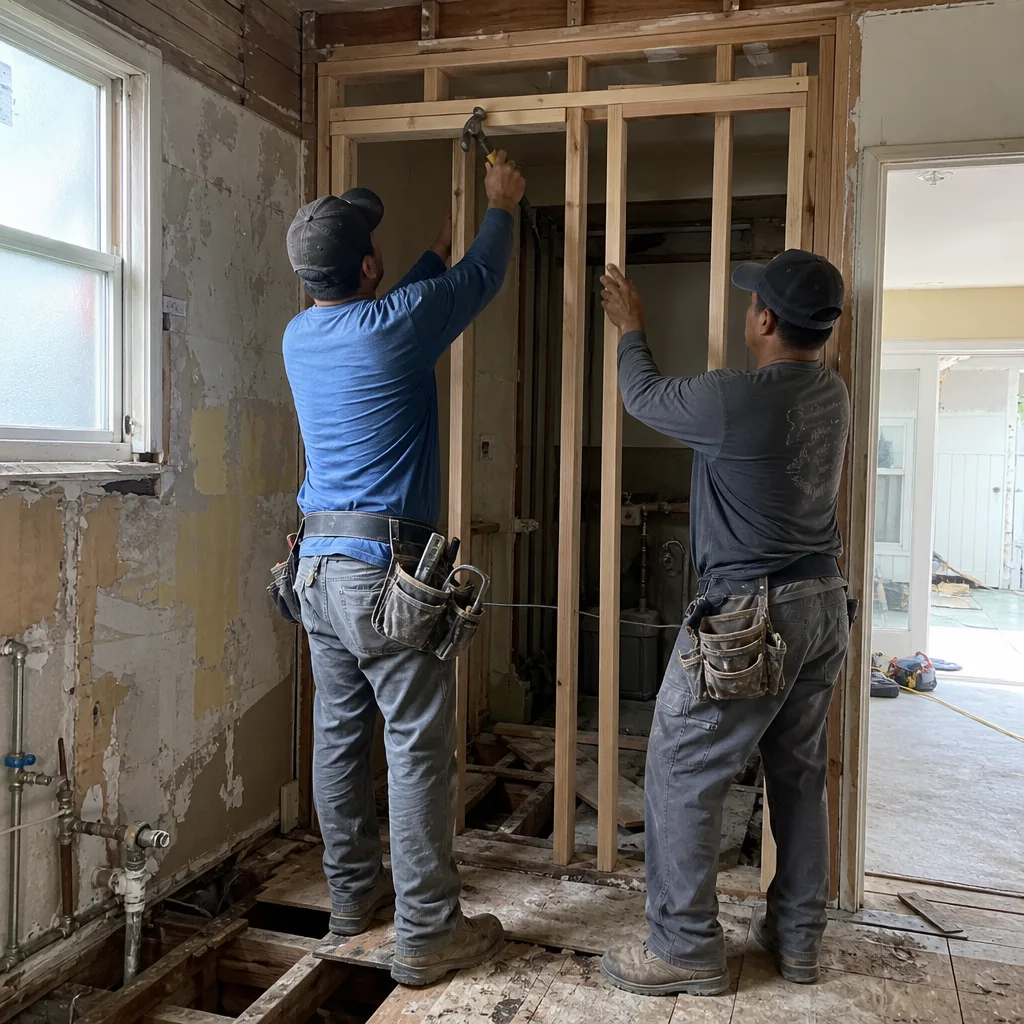
Within a fixed scope, material choices are the primary lever for cost control. The table below shows representative spreads for common selections in Miami projects.
| Category | Economy Option | Mid-Range Option | Premium Option |
|---|---|---|---|
| Kitchen cabinets (per linear ft) | Stock particleboard, $125-$185 | KraftMaid semi-custom, $280-$420 | Wellborn custom inset, $520-$780 |
| Countertops (per sq ft installed) | Granite Level 1, $45-$65 | Caesarstone quartz, $65-$95 | Cambria or marble, $85-$145 |
| Bathroom fixtures (vanity set) | Builder-grade chrome, $400-$700 | Kohler transitional, $900-$1,600 | Toto/Blanco designer, $2,200-$4,500 |
| Tile (per sq ft installed) | Ceramic, $6-$10 | Porcelain, $10-$18 | Large-format or natural stone, $18-$45 |
| Roofing (per sq ft) | 3-tab shingles, $5.50-$7.50 | Architectural shingles, $7.50-$11.00 | Clay tile or metal, $14.00-$22.00 |
The selection process matters as much as the selections themselves. A contractor with sourcing depth across fifty-plus vetted brands - KraftMaid and Wellborn, Cambria and Caesarstone, Kohler and Toto - can deliver honest numbers rather than inflated ones. The quote reflects actual supplier pricing, not a padded placeholder.
In our experience, the most budget-stable projects make material selections before the contract is signed, converting allowances to hard costs. The most volatile projects defer selections until construction, when time pressure and limited availability drive decisions. We encourage customers to visit our suppliers, handle samples, and confirm selections during the pre-construction phase - documented in the written scope, not left to later.
Permits, Inspections, and Timelines in Miami-Dade
Miami-Dade County’s building department processes permits through an online portal with specific requirements that affect both cost and schedule.
For residential construction, the standard permit timeline runs:
- Plan submission and intake review: 5-10 business days. Incomplete applications are rejected without review; the most common omission is the HVHZ product approval documentation for windows, doors, and roofing.
- Plan review: 10-20 business days for additions and renovations; 20-30 days for new construction or ADUs. Complex projects or those in historic districts (Coral Gables, Miami Beach) require additional review layers.
- Permit issuance: 3-5 business days after approval and fee payment.
- Inspection scheduling: typically 24-48 hours advance notice required for standard inspections; same-day sometimes available for rough electrical or plumbing.
The practical impact: a kitchen remodel with no structural changes might permit in 2-3 weeks. A home addition in Pinecrest with structural engineering and tree protection plans might take 6-8 weeks. Contractors who promise faster timelines are typically describing their own preparation speed, not the county’s processing time.
Inspection fees are bundled into the permit cost, but re-inspection fees apply when work fails inspection - typically $100-$200 per re-inspection in Miami-Dade. Common failures include: insufficient hurricane strapping visible at framing inspection, missing weep screed at stucco inspection, and inadequate GFCI protection at electrical final. Our crews photograph every inspection-prep to document compliance before the inspector arrives.
Some municipalities impose additional requirements. Miami Beach requires architectural review for exterior changes. Coral Gables has strict tree replacement rules that can add $2,000-$8,000 to site work. Aventura requires impact window documentation even for interior renovations that happen to include window replacement. We verify municipality-specific requirements during pre-construction, not after permit submission.
Common Mistakes to Avoid
- Using national cost calculators for Miami budgeting. HVHZ requirements, elevated labor rates, and flood zone construction add 25-40% above national averages. A calculator that doesn’t ask your ZIP code is giving you Orlando or Atlanta numbers.
- Comparing fixed-price and allowance-heavy bids as if they’re equivalent. Two $85,000 kitchen estimates are not comparable if one contains $35,000 in allowances and the other $12,000. The allowance-heavy bid contains hidden variability that surfaces mid-project.
- Skipping the contingency or budgeting it for “upgrades.” Contingency is for unknown conditions, not for deciding you want the Wolf range after all. In Miami’s older housing stock, unknown conditions are the rule, not the exception.
- Accepting verbal change approvals. Florida law requires certain home improvement contract provisions, but verbal modifications are enforceable if both parties acknowledge them - and they destroy budget control. Insist on written change orders for any scope revision.
- Ignoring permit timeline in project scheduling. A contractor who starts demolition while permits are “in process” is exposing you to stop-work orders and doubled timelines. Verify permit status before work begins.
- Selecting materials after construction starts. Time pressure, limited availability, and decision fatigue drive up costs. Finalize selections during pre-construction, documented in the written scope.
- Choosing uninsured or unlicensed contractors for price savings. In Florida, unlicensed contracting on jobs over $1,000 is a criminal offense. Verify license status at myfloridalicense.com; confirm active general liability and workers compensation coverage.
When to Call a Professional
Call a licensed contractor when your project involves structural modification, electrical or plumbing relocation, or any work requiring a Miami-Dade building permit - which covers most renovations beyond painting and flooring. The cost of professional error correction far exceeds the cost of professional execution, particularly in HVHZ-compliant work where code violations can void insurance coverage. Not sure whether to tackle it yourself? Read DIY vs Professional Construction: The Miami Homeowner’s Decision Guide.
Specific scenarios that warrant immediate professional assessment: roof leaks following named storms (hidden deck damage spreads rapidly in Miami’s humidity); visible termite shelter tubes on foundation walls; cast iron drain lines in pre-1990 homes showing slow drainage or gurgling; aluminum wiring with warm outlet plates or flickering lights. These conditions carry safety implications beyond cost.
Rowan Construction Group Miami offers free estimates in Miami - call (786) 321-4970 to schedule. We also provide a Free Second Opinion on any written estimate from another contractor, reviewed line by line at no charge. The 365-Day Done Right Promise applies to every project: if it is not done right, we make it right, backed by The Haven Standard, not a handshake.
Frequently Asked Questions
A home addition in Miami runs $220-$380 per square foot in 2026, with the range driven by foundation type, HVHZ window requirements, and finish level. A ground-level family room with slab foundation and mid-grade finishes lands near $220-$280; a second-story addition with structural reinforcement, impact windows, and premium finishes pushes $320-$380. Flood zone elevation requirements can add $40-$80 per square foot in A or V zones. Call (786) 321-4970 for a written estimate on your specific site - estimates are free.
An estimate is a projection based on assumed conditions; a fixed-price quote is a binding commitment to complete defined scope for a defined price. Rowan Construction Group Miami delivers only fixed-price quotes with written scope - never estimates that shift after work begins. Under Clause 1 of the Haven Standard, the price is written before anyone starts.
The fixed price does not change unless the scope changes, and no scope change proceeds without a signed change order. In our 4,000-plus projects since 2007, the final invoice has stayed within a few percent of the original quote when this discipline is maintained. The most common source of overrun is customer-initiated additions - which are fine, but require the signed change order that documents the new price before work proceeds.
Rowan Construction Group Miami pulls all permits as part of project management. We submit plans, coordinate with Miami-Dade or municipal building departments, schedule inspections, and ensure compliance at each phase. The permit fees are itemized in the written quote, not hidden. You receive copies of all permits and inspection sign-offs as part of the documented photo record.
A typical kitchen remodel in Miami takes 6-10 weeks from demolition to final inspection, with 2-4 weeks of that consumed by permitting and inspections. Custom cabinetry extends the front end by 6-10 weeks for manufacturing. Miami-Dade’s inspection schedule and HVHZ product approval verification add time compared to non-coastal markets. We provide a written timeline with the quote, updated weekly during construction.
Budget 15-20% contingency for gut renovations in pre-1990 Miami homes. The specific risks are subterranean termite damage to framing, cast iron drain line corrosion, aluminum wiring replacement, and hidden water damage behind stucco or tile. Our pre-construction inspection identifies visible indicators, but concealed conditions remain until demolition. The contingency is released only with photographic documentation and signed change order.
No. Miami-Dade County’s High Velocity Hurricane Zone designation applies to the entire county, not just coastal areas. All replacement windows must carry HVHZ product approval, documented with a Miami-Dade Notice of Acceptance (NOA) or Florida Product Approval. Standard windows cannot pass inspection and will be rejected. The $55-$120 per square foot for impact-rated windows is non-negotiable in any Miami-Dade project.
The Bottom Line
A useful Miami construction budget separates hard costs from allowances, adds 10-20% contingency for local risk factors, and requires signed change orders before any scope revision. National cost calculators fail here because they don’t account for HVHZ materials, elevated labor rates, or flood zone construction. The 2026 ranges in this guide reflect actual project data from Rowan Construction Group Miami’s pipeline - numbers you can screenshot and compare. The discipline that keeps projects within budget is administrative, not technical: written scope, written price, signed change orders, and documented photo records on every visit. That’s the Haven Standard, and it’s been our practice since 2007.
Written by Grant Rowan, Owner at Rowan Construction Group Miami, serving Miami since 2007.