
Last updated September 22, 2026
Free written scope consultation - allowances, timeline, and change-order rules on paper before a single trade is scheduled

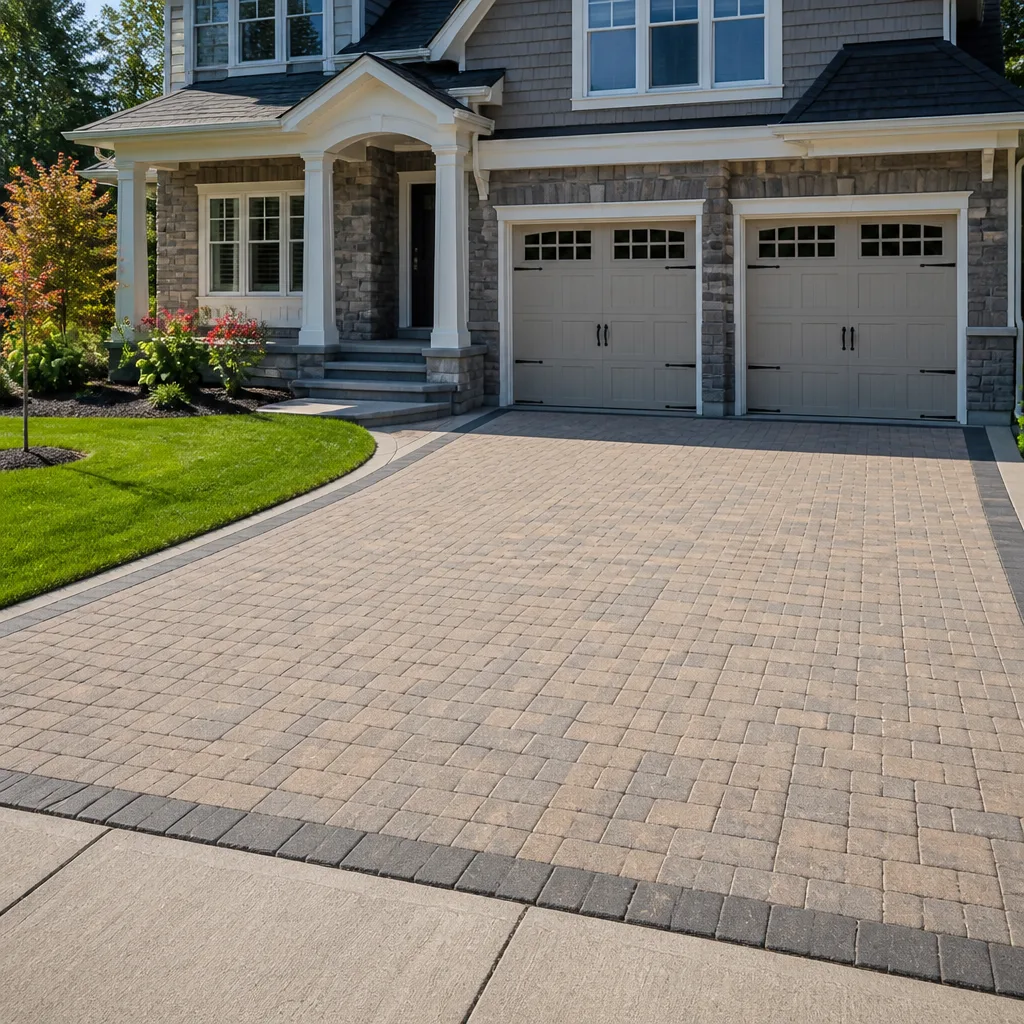
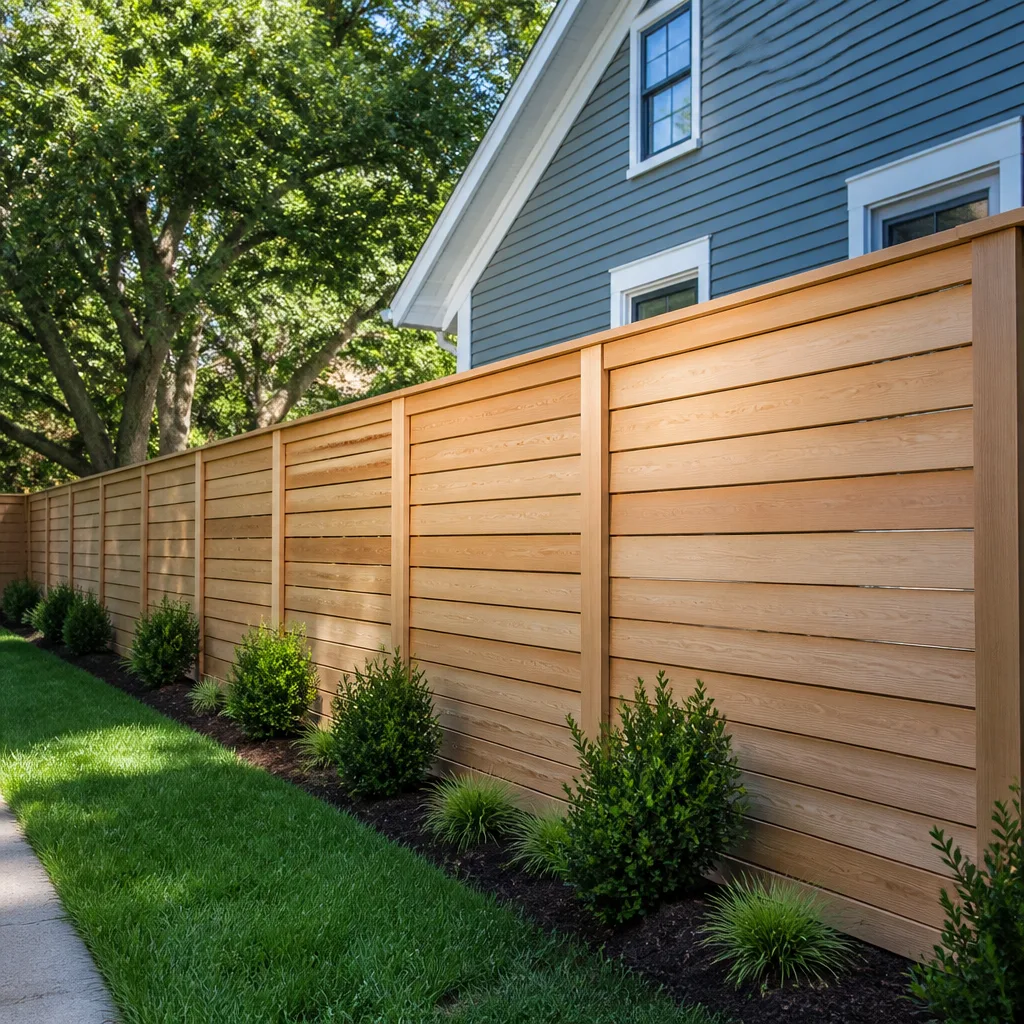
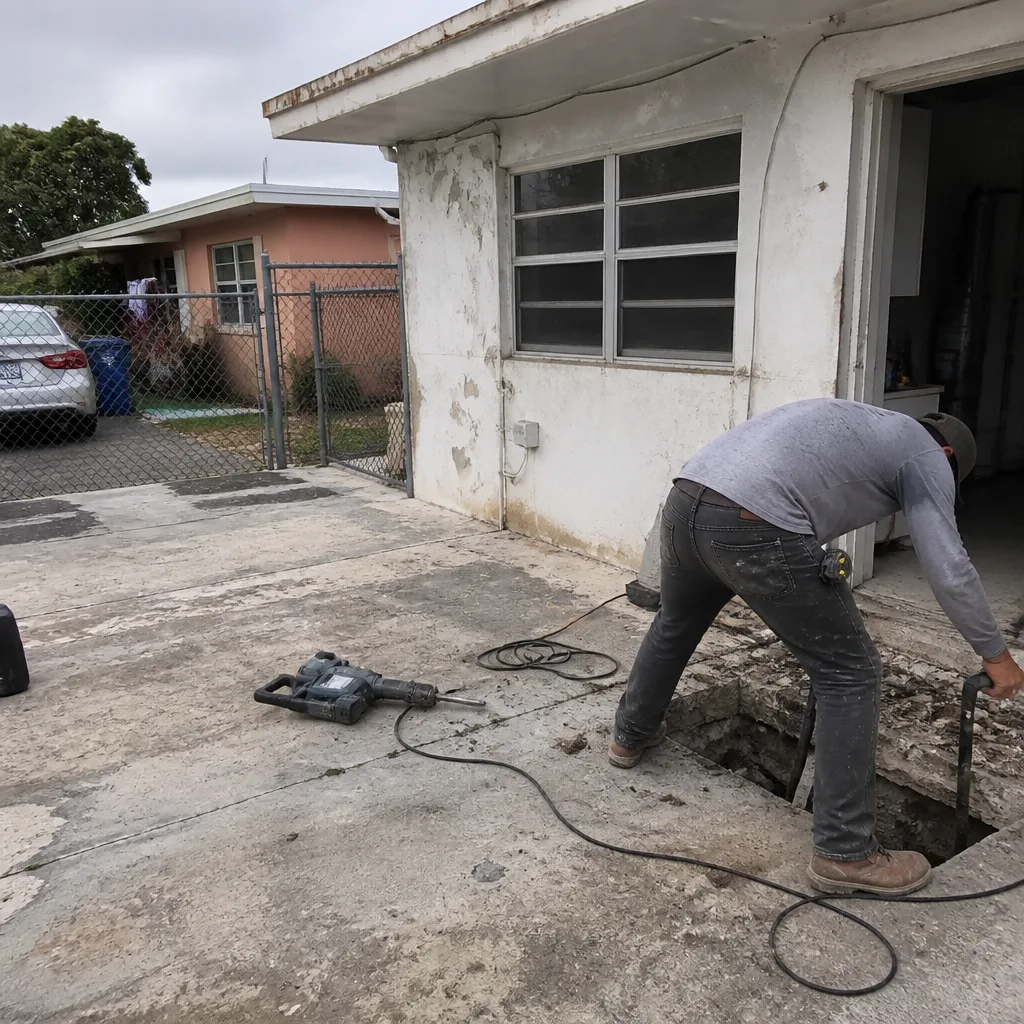 Before
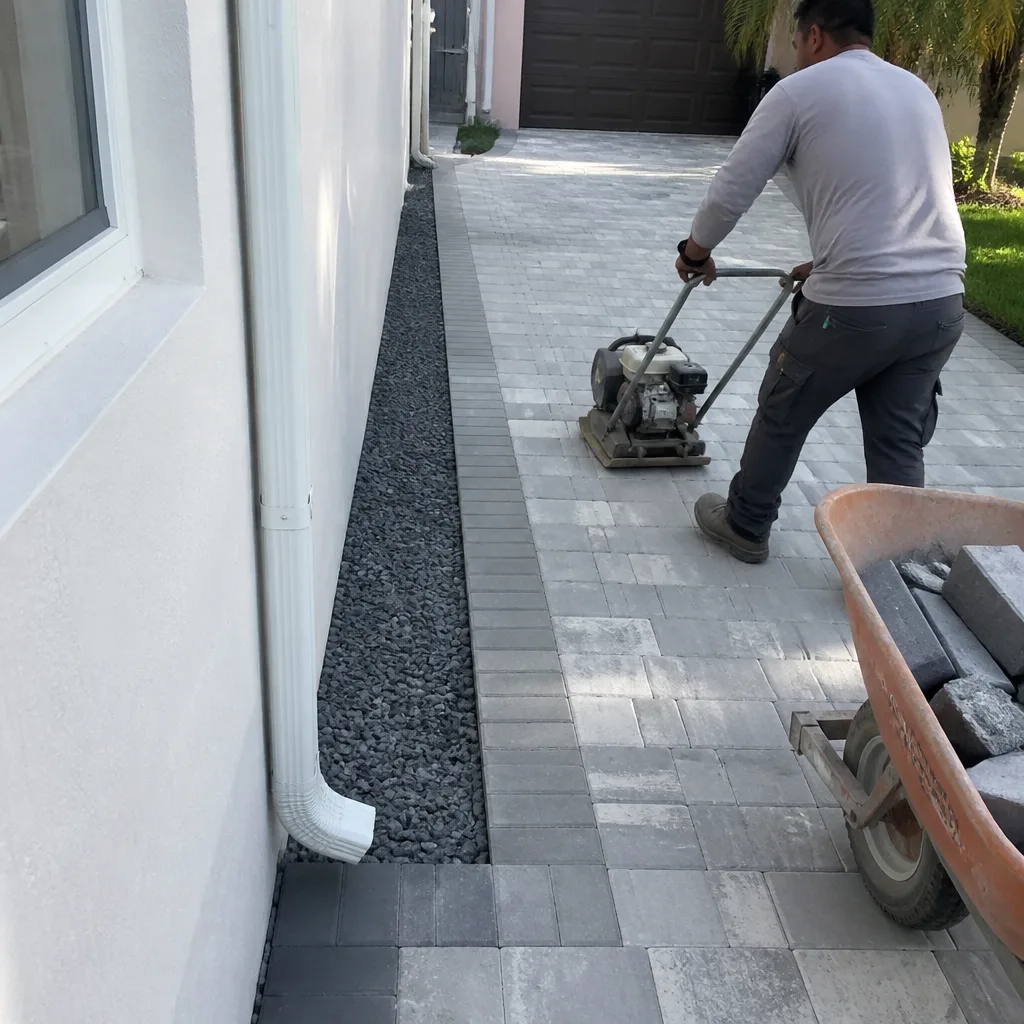 After
After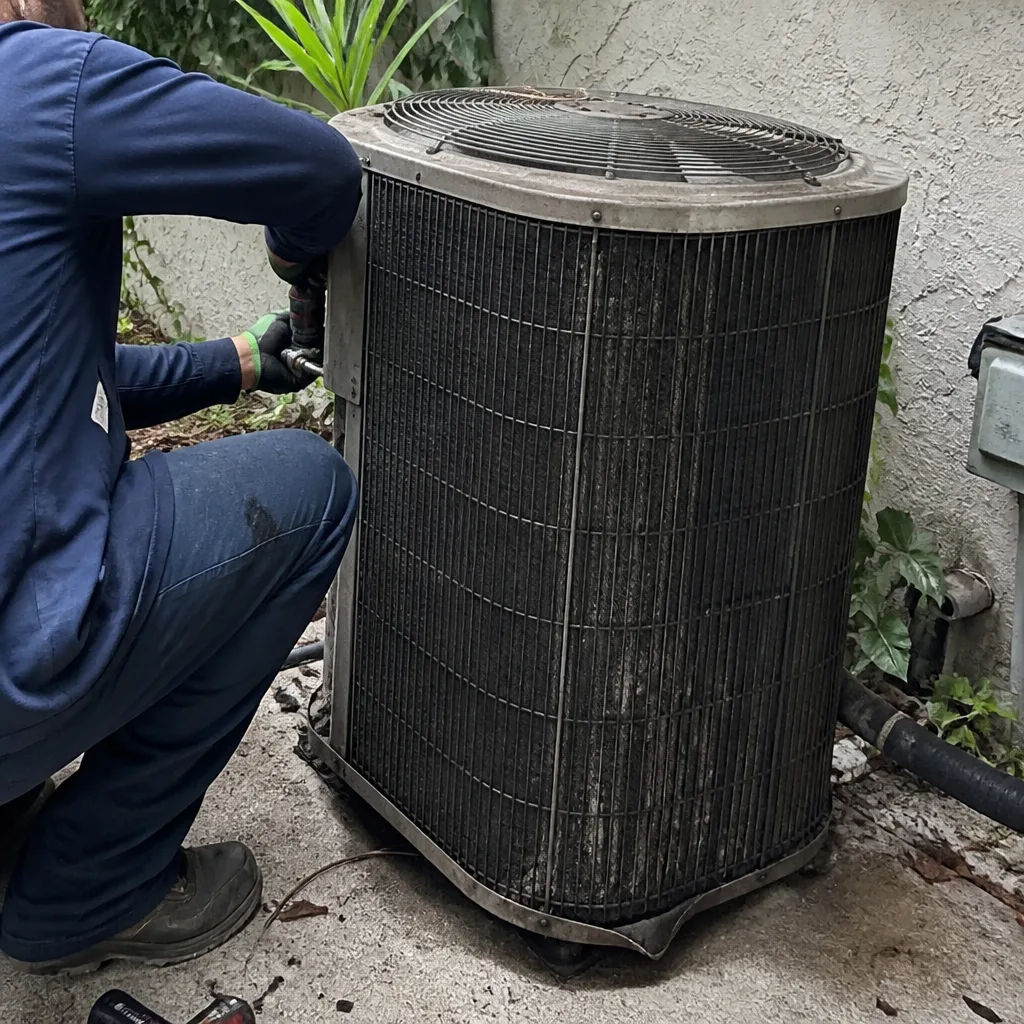 Before
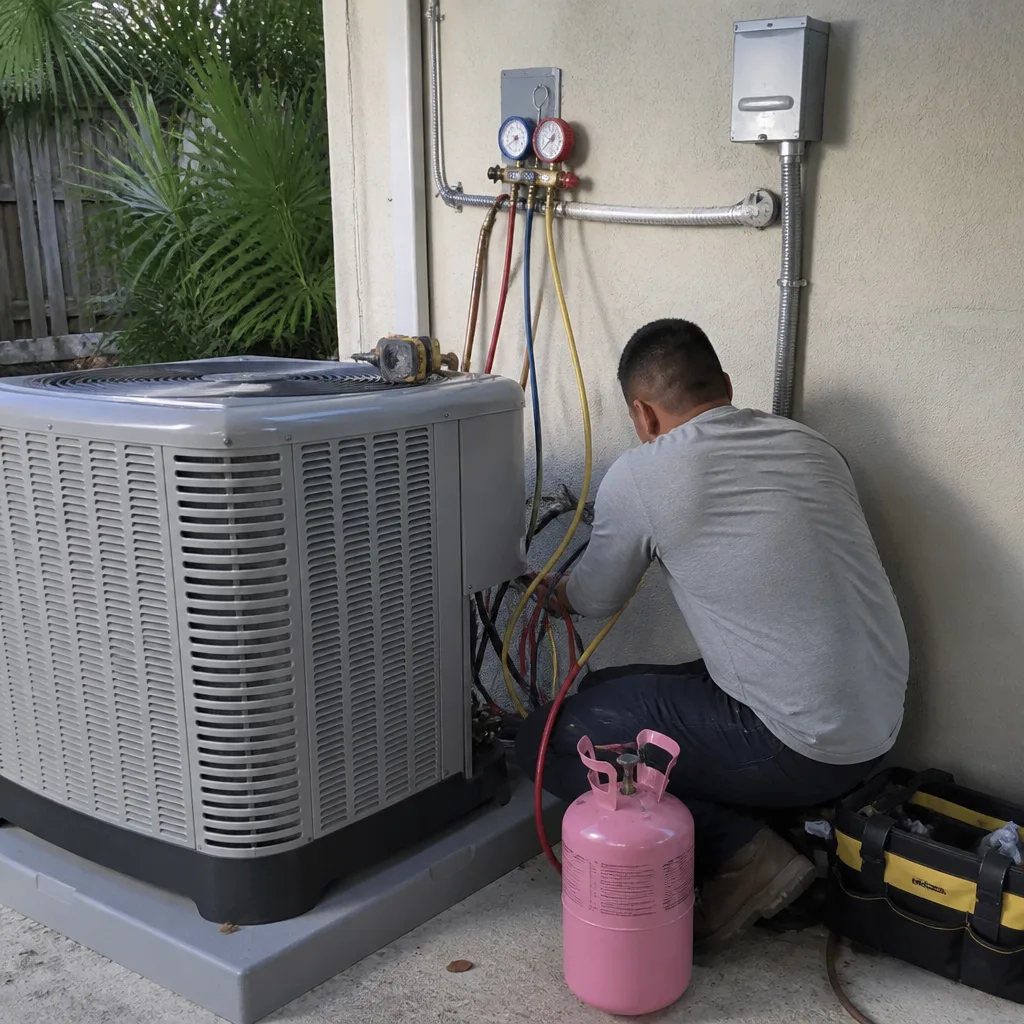 After
After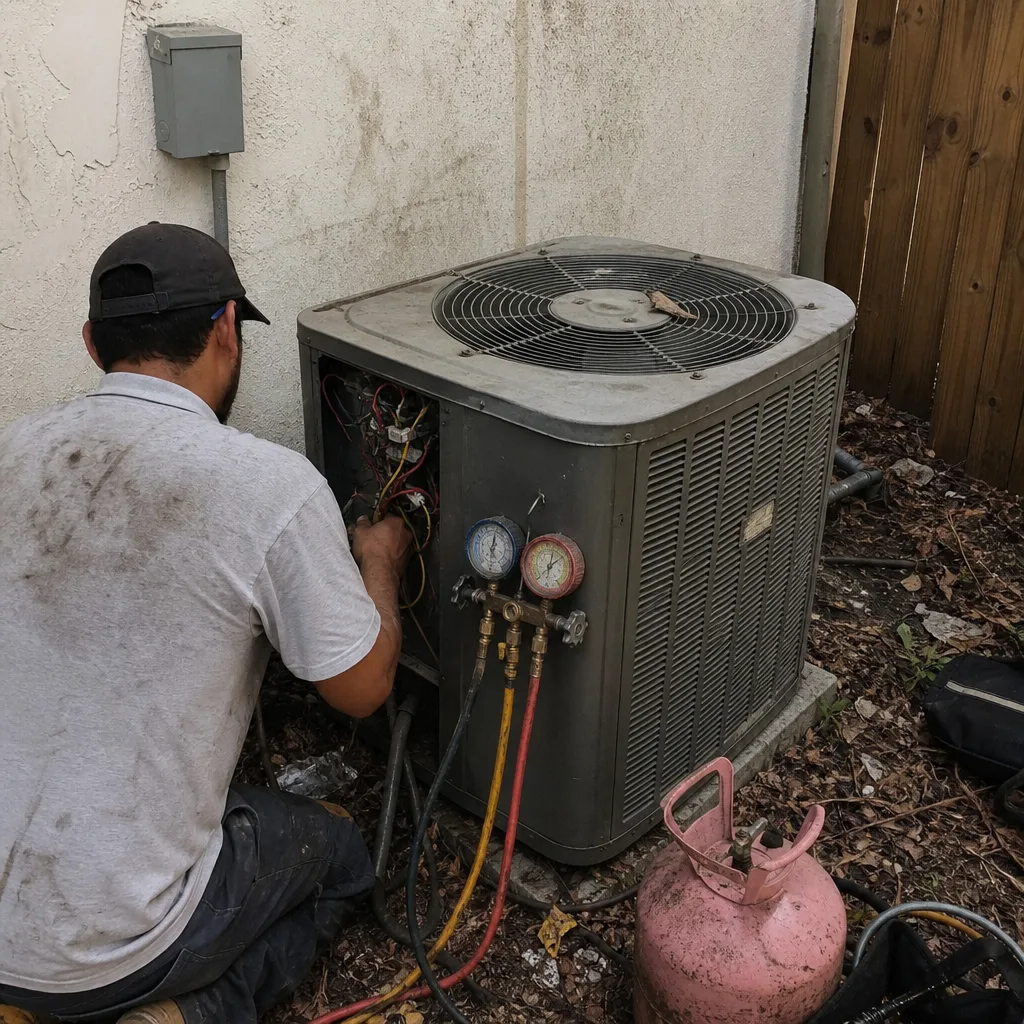 Before
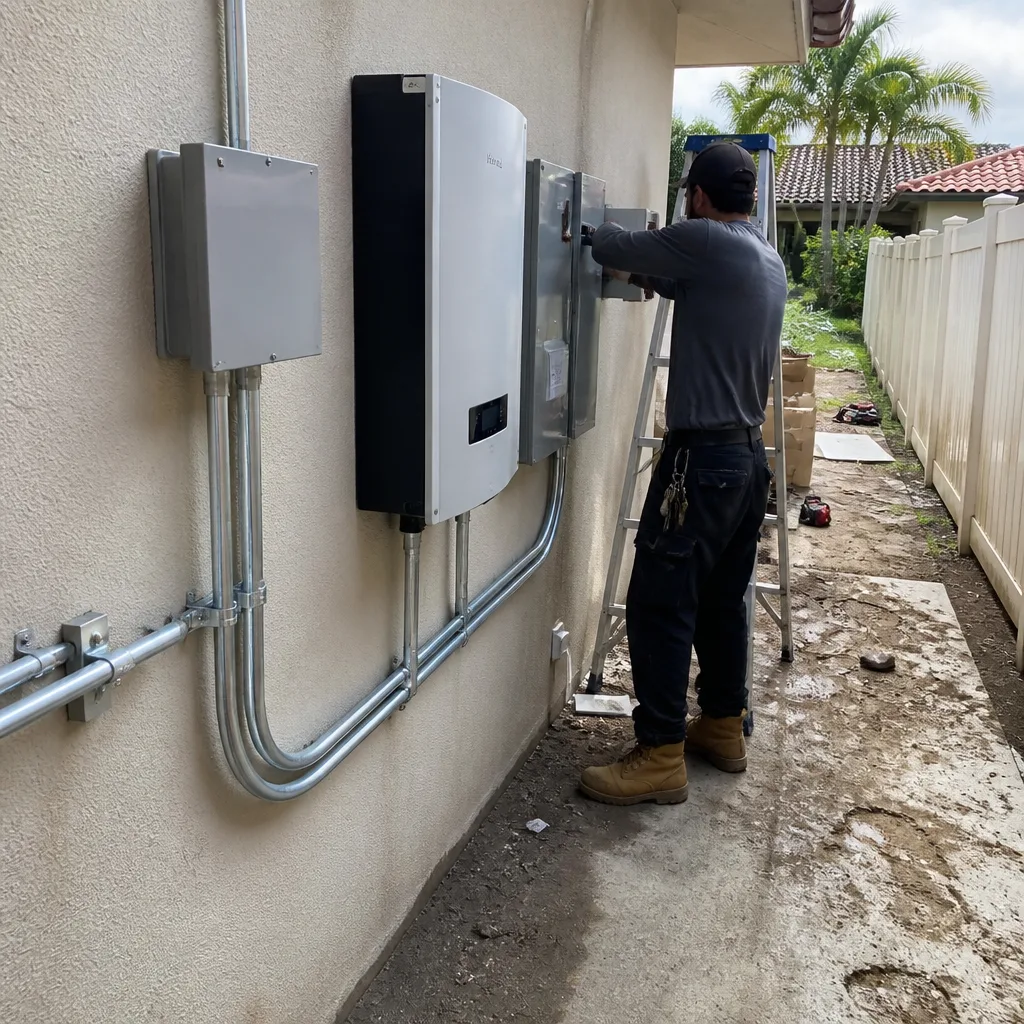 After
AfterDIY vs Professional Construction: The Miami Homeowner’s Decision Guide
A homeowner in Coral Gables who replaced their own electrical panel without pulling a permit was ordered by Miami-Dade Building Code Enforcement to open every wall the new circuits touched, restore them to finished condition, and pay for a full rough-in inspection. The remediation cost $7,400. The licensed electrician’s original quote had been $2,800. In Miami-Dade, the DIY versus professional question is not primarily about whether you can do the work. It is about whether you can absorb the consequences of doing it outside the permit and inspection system. This guide draws the line at the permit threshold, not the difficulty threshold. You will learn which projects homeowners can legally self-perform in Miami, what Florida’s owner-builder statute actually permits, how your insurance policy treats unpermitted work, and why hurricane exposure makes certain DIY decisions in Miami far costlier than the same decisions in lower-wind regions.
Quick Answer
Most Miami homeowners can legally perform cosmetic work, surface repairs, and certain fixture replacements without a permit. Any project involving structural loads, electrical, plumbing, roofing, or window and door openings requires a licensed contractor and full permitting in Miami-Dade. The owner-builder permit option exists under Florida law, but it excludes most residential work, carries strict disclosure requirements at resale, and does not eliminate the need for licensed subcontractors for electrical, plumbing, and mechanical work. For more guidance, see our resource on How to Hire a Construction Contractor in Miami: A Step-by-Step Guide. For the majority of Miami homeowners, the financial and legal risk of permit-required DIY exceeds the savings.
Table of Contents
- Where Miami-Dade Draws the Legal DIY Boundary
- The Owner-Builder Permit: What Florida Statute 489.103 Actually Allows
- True Cost Comparison: Three Common Miami Projects
- How DIY Work Affects Your Homeowner’s Insurance in Florida
- Hurricane Exposure and the Disproportionate Risk of Unpermitted Structural Work
- What Miami Homeowners Can Safely Handle Themselves
- Common Mistakes to Avoid
- When to Call a Professional
- Frequently Asked Questions
- The Bottom Line
BeforeAfterWhere Miami-Dade Draws the Legal DIY Boundary
Miami-Dade County maintains one of the most stringent building code enforcement regimes in the United States, a direct legacy of Hurricane Andrew in 1992. The county’s Building Code, Chapter 8 of the Code of Miami-Dade County, requires permits for work that most U.S. jurisdictions allow homeowners to self-perform. Understanding this boundary is the first step in any DIY versus professional calculation.
Homeowners in Miami can generally self-perform the following without a permit:
- Interior painting, wallpapering, and decorative finishes
- Floor covering installation over existing subfloors (tile requires permit if substrate is modified)
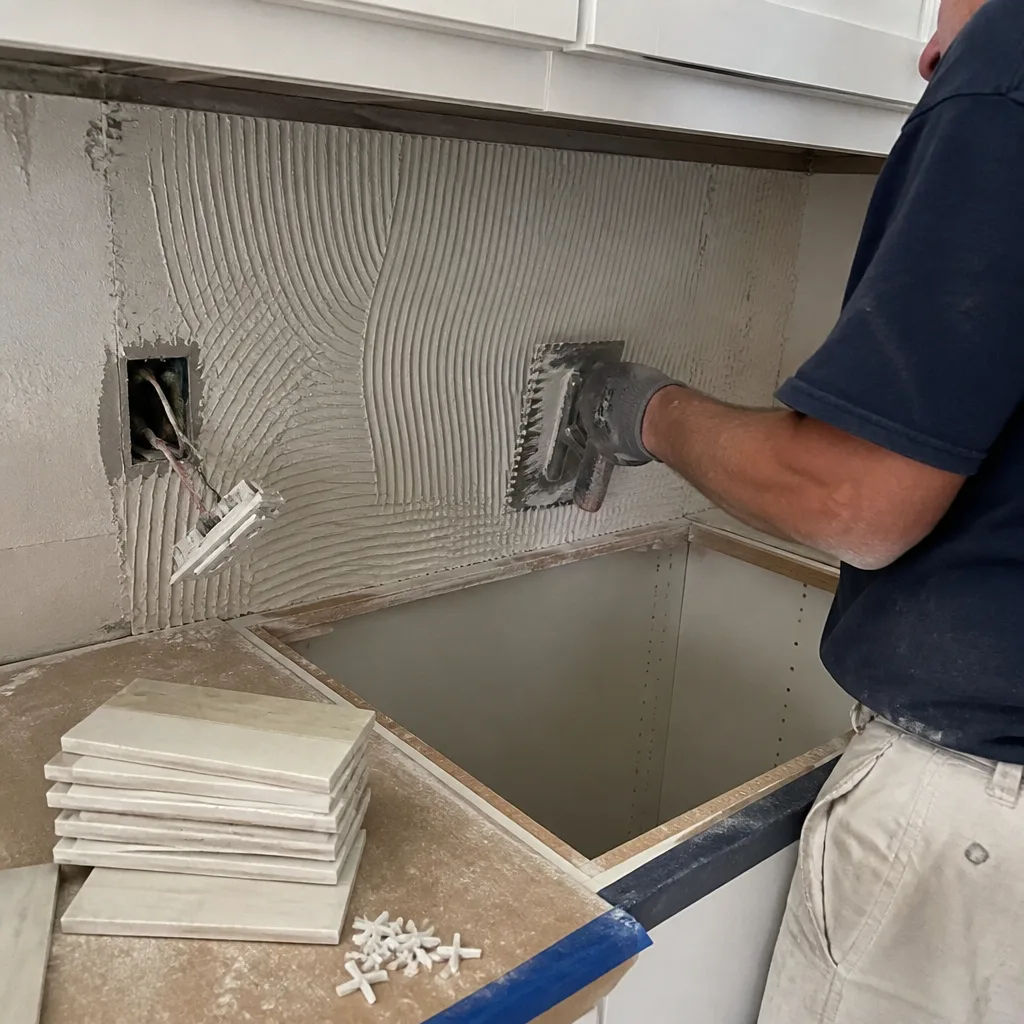
- Cabinet and countertop replacement in existing footprints, provided no plumbing or electrical lines are relocated
- Minor drywall repair under 200 square feet in a single area
- Swapping like-for-like light fixtures on existing circuits
- Installing window film or interior storm panels (not impact-rated shutters)
Everything else triggers permit requirements. Specifically, Miami-Dade requires permits for:
- Any electrical work beyond fixture swaps, including panel upgrades, circuit additions, and outlet relocation
- Plumbing modifications, including water heater replacement, fixture relocation, and drain line work
- Roofing of any scope, including partial reroofing and coating applications over 100 square feet
- Window and door replacement, including sliding glass doors, because these are classified as opening protection in hurricane zones
- Structural modifications, including wall removal, beam installation, and foundation work
- Deck, patio, and paver installations over 120 square feet or attached to the structure
- Fence installation over 6 feet in height or any height with concrete footings
- Driveway replacement or expansion that alters drainage patterns
The critical distinction: Miami-Dade does not recognize a “homeowner exemption” for permit-required work equivalent to what exists in many other Florida counties. A homeowner who performs permitted electrical work must still use a licensed electrical contractor for the installation, though they may act as their own general contractor under the owner-builder statute discussed below. The county’s position is that the public safety and wind-load requirements of the South Florida Building Code are too consequential to allow unlicensed installation, regardless of who owns the property.
Neighborhood enforcement intensity varies. In Coconut Grove and Pinecrest, code compliance officers actively patrol for visible work without permit cards. In unincorporated Miami-Dade, enforcement is complaint-driven but aggressively responsive once triggered. A single neighbor’s call can initiate a stop-work order and mandatory inspection of all work performed in the prior 12 months.
The Owner-Builder Permit: What Florida Statute 489.103 Actually Allows
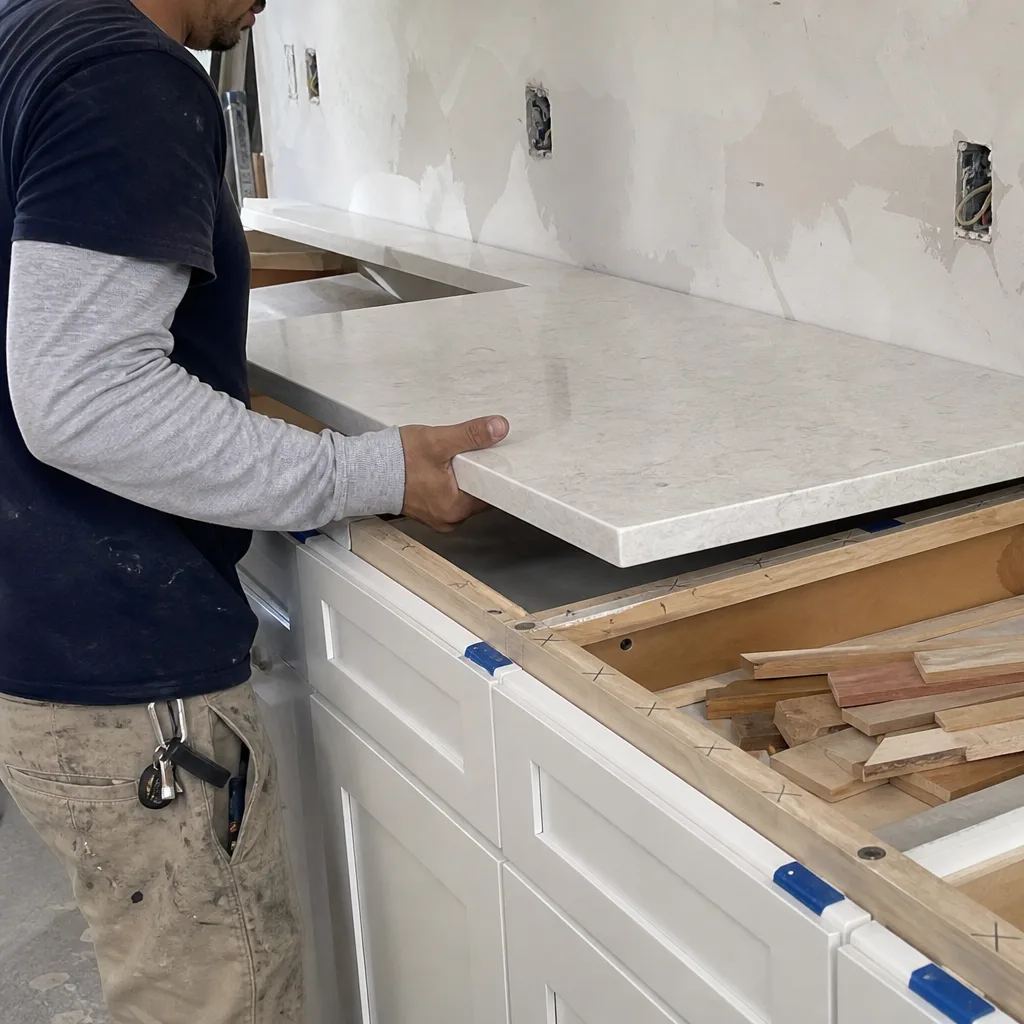
Florida Statute 489.103(7) creates an “owner-builder” exemption from contractor licensing, and it is routinely misunderstood by Miami homeowners. The statute permits a property owner to act as their own general contractor for construction, repair, or improvement to their own single-family residence, provided they occupy or intend to occupy the residence and do not build for sale or lease.
What the statute actually permits:
- The owner may obtain the building permit in their own name rather than through a licensed general contractor.
- The owner may hire and directly pay licensed subcontractors for electrical, plumbing, mechanical, and roofing work. These trades still require licensed contractors; the owner-builder exemption does not extend to the subcontractor trades.
- The owner may perform personally any work they are competent to perform, subject to the same code and inspection requirements as a licensed contractor.
What the statute explicitly excludes:
- Work on condominiums, townhouses with shared walls, or any property not wholly owned as a single-family detached residence
- Construction intended for sale or lease within one year of completion
- More than one owner-builder project per two-year period
- The ability to hire unlicensed workers for regulated trades
The disclosure requirement is the provision that most surprises Miami homeowners. Under Florida Statute 489.103(7)(a), any owner-builder who sells or leases the property within one year of completion must disclose in writing to the buyer or tenant that the work was performed under the owner-builder exemption and that no licensed contractor’s warranty applies. This disclosure must be made before any contract for sale or lease is signed. Failure to disclose is a violation of Florida’s Deceptive and Unfair Trade Practices Act and can support rescission of the sale.
More consequentially for Miami’s market, title companies and lenders have become increasingly cautious about owner-builder work. A property with recent owner-builder improvements may trigger additional inspection requirements, holdbacks in escrow, or even denial of conventional financing if the work cannot be documented with proper permits and passed inspections. In a market where Miami buyers routinely pay $800,000 to $1.5 million for single-family homes, a financing obstacle can kill a sale or force a price reduction that dwarfs any construction savings.
We have reviewed owner-builder projects in Miami that were competently constructed but lacked the documentation chain that lenders now require. The cost to retroactively document, inspect, and where necessary open and verify concealed work has ranged from $3,200 to $11,000 in our experience. Under Clause 1 of the Haven Standard, Rowan Construction Group Miami delivers a written price before any work starts, with permits, inspections, and documentation included as standard, not as afterthoughts.
True Cost Comparison: Three Common Miami Projects
The DIY savings narrative collapses when permitting, inspection, and risk costs are included honestly. Below are three projects we quote regularly in Miami, with actual cost ranges based on 2024 material pricing and Miami-Dade permit fees.
Project 1: Bathroom Tile Replacement (5′ x 8′ floor and tub surround)
| Cost Category | DIY Material-Only | DIY With Permit | Professional Fully Permitted |
|---|---|---|---|
| Tile and setting materials | $800-$1,200 | $800-$1,200 | $800-$1,200 |
| Permit and inspection fees | $0 | $180-$340 | Included |
| Tools and equipment rental | $200-$400 | $200-$400 | Included |
| Substrate repair materials | $150-$400 | $150-$400 | Included |
| Dumpster or debris disposal | $120-$250 | $120-$250 | Included |
| Labor (self or hired) | $0 | $0 | $2,400-$3,800 |
| Time to completion | 3-5 weekends | 3-5 weekends plus inspection scheduling | 3-5 business days |
| Total | $1,270-$2,250 | $1,450-$2,590 | $3,200-$5,000 |
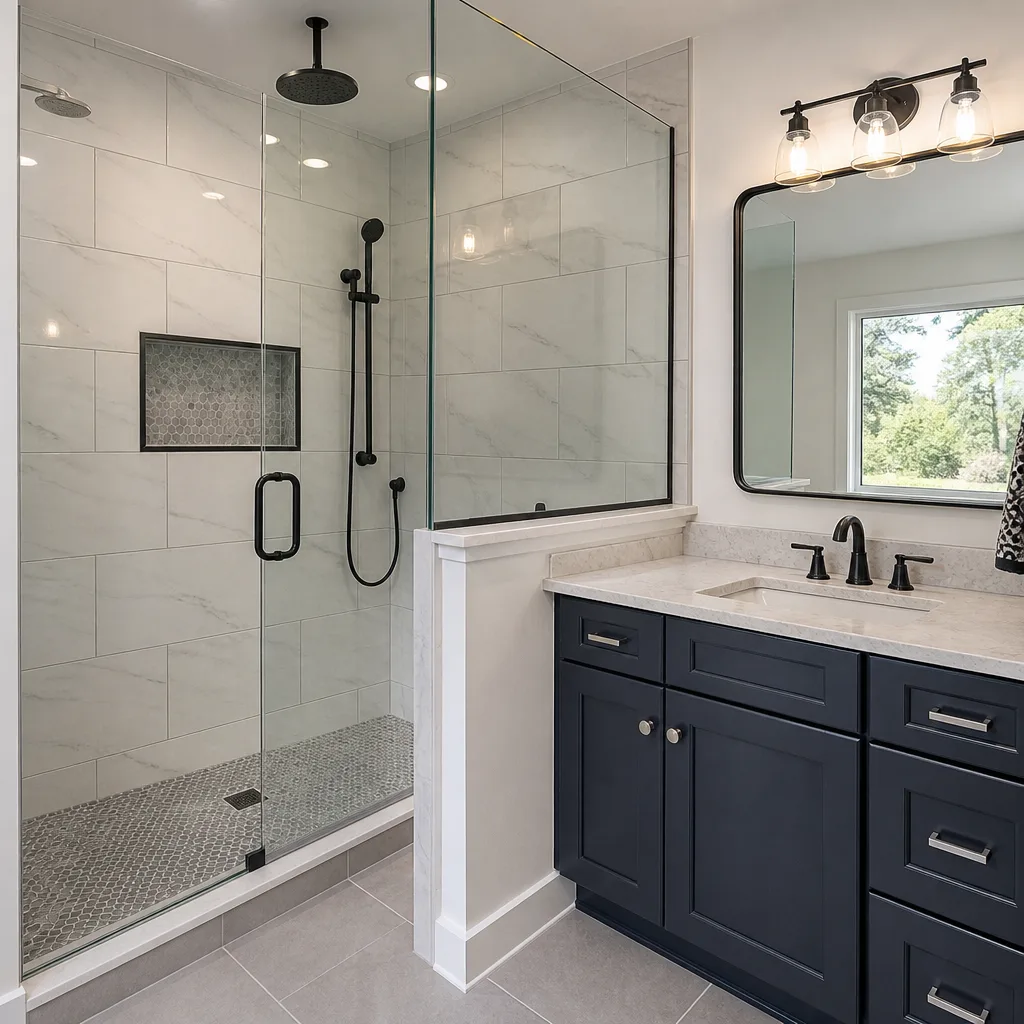
The honest comparison: DIY saves $1,700-$2,500 if no substrate damage is found, if the tile layout requires no complex cuts, and if the homeowner’s time is valued at zero. In our experience on Bathroom Remodeling in Miami projects, roughly 40% of tile removals reveal subfloor damage from prior leaks that was invisible before demolition. The professional quote includes contingency for this; the DIY budget rarely does.
Project 2: Wood Deck Construction (12′ x 16′, pressure-treated, attached to house)
| Cost Category | DIY Material-Only | DIY With Permit | Professional Fully Permitted |
|---|---|---|---|
| Lumber, hardware, fasteners | $2,800-$4,200 | $2,800-$4,200 | $2,800-$4,200 |
| Permit, plans, and inspection | $0 | $450-$780 | Included |
| Engineered plans (required for attached decks in Miami-Dade) | $0 | $600-$1,200 | Included |
| Post hole digger or auger rental | $80-$150 | $80-$150 | Included |
| Concrete and forming materials | $200-$350 | $200-$350 | Included |
| Labor | $0 | $0 | $4,500-$7,200 |
| Time to completion | 4-6 weekends | 4-6 weekends plus plan review and inspection delays | 5-8 business days |
| Total | $3,080-$4,700 | $4,130-$6,680 | $7,300-$11,400 |
The engineered plans requirement is the element most DIY deck builders in Miami miss. Miami-Dade requires signed and sealed structural plans for any attached deck, reflecting wind-load calculations for the 175 mph design wind speed in coastal zones. A homeowner cannot produce these plans; they must be prepared by a Florida-licensed engineer or architect. This single requirement eliminates the material-only cost advantage for most owner-builders.
Project 3: Electrical Panel Upgrade (200-amp service, single-family residence)
| Cost Category | DIY Material-Only | DIY With Permit | Professional Fully Permitted |
|---|---|---|---|
| Panel, breakers, conduit | $800-$1,400 | $800-$1,400 | $800-$1,400 |
| Permit and inspection fees | $0 | $280-$520 | Included |
| Licensed electrical contractor (required even for owner-builder) | $0 | $1,800-$3,200 | Included |
| Utility coordination and temporary service | $0 | $0-$200 | Included |
| Wall repair from required inspections | $0 | $0-$4,000 | Included |
| Labor (self-performed portions) | $0 | $0 | Included |
| Total | $800-$1,400 (illegal, unpermitted) | $2,880-$5,320 | $2,800-$4,800 |
The panel upgrade illustrates the permit threshold most starkly. A homeowner who performs this work without a permit faces not merely code violation but genuine hazard: arc flash from improperly torqued bus connections, fire from mismatched breaker types, and electrocution risk during the hot-to-hot transfer. The professional quote from a licensed electrical contractor under Rowan Construction Group Miami home management includes the permit, the licensed electrician, the inspection coordination, and the documentation that satisfies insurers and future buyers. Under the Haven Standard, the price is written before anyone picks up a tool, and no change proceeds without a signed change order.
How DIY Work Affects Your Homeowner’s Insurance in Florida
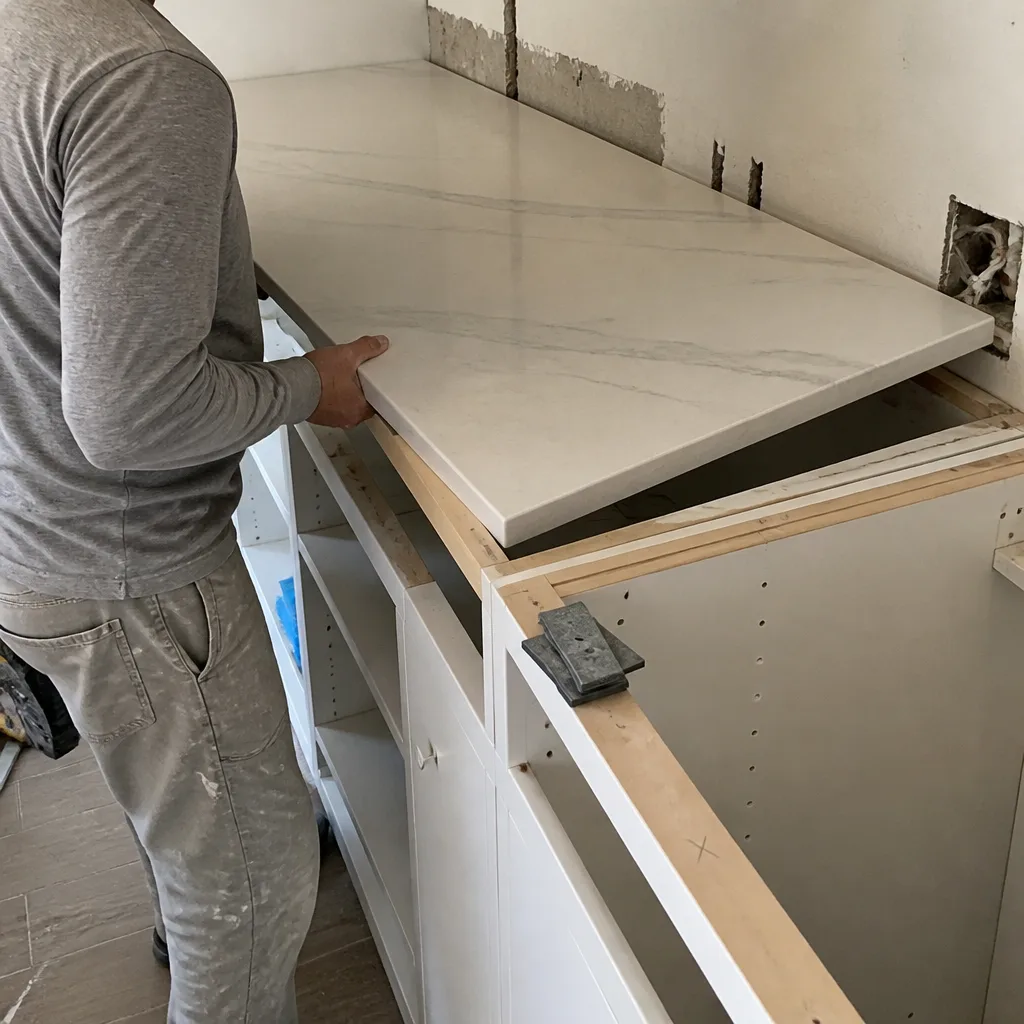
Florida’s homeowner’s insurance market is the most stressed in the nation, with more than a dozen carriers exiting the state since 2019 and the remaining insurers aggressively narrowing coverage. Unpermitted improvements have become a standard exclusion in many policies, and the language is more specific than most homeowners realize.
Typical policy language in Florida insurers’ endorsements reads as follows: “We do not cover loss or damage to any portion of the dwelling that was constructed, altered, or repaired without required permits or in violation of applicable building codes, if such condition contributed to the loss.” This is not a boilerplate exclusion buried in fine print. It is increasingly presented as a specific endorsement that policyholders must acknowledge at renewal.
The practical impact for Miami homeowners:
- Fire following unpermitted electrical work: If an electrical fire originates in a panel or circuit that was installed without permit, the insurer may deny the entire fire claim, not merely the portion attributable to the unpermitted work. We have seen denial letters citing the unpermitted panel as the reason for voiding coverage of $300,000-plus in fire damage in a Miami Shores home.
- Water damage from unpermitted plumbing: A leak from an owner-installed water heater or relocated drain line may be excluded if the installation lacked permit and inspection. Given Miami’s humidity and mold susceptibility, a single leak can generate $15,000-$40,000 in remediation before structural repair is addressed.
- Wind damage to unpermitted structural additions: A deck, patio roof, or sunroom built without permit and not engineered for Miami-Dade wind loads may be excluded from windstorm coverage entirely. After Hurricane Irma, we reviewed cases where insurers denied claims for detached structures that lacked permit documentation, even when the primary dwelling was fully covered.
To verify your policy’s stance before starting any project:
- Request your complete policy file including all endorsements, not merely the declaration page
- Search the document for “permit,” “code violation,” “unlawful construction,” and “owner-builder”
- Contact your agent in writing (email creates a record) and ask specifically whether unpermitted improvements are covered
- If you have Citizens Property Insurance, the state-backed insurer of last resort, review Endorsement HO-17, which contains specific exclusions for work performed without required permits
The documentation that Rowan Construction Group Miami delivers, a permit record, passed inspection certificates, and a photo record of work in progress, is the evidence that satisfies insurers at claim time. Our crews have delivered this documentation on every project since 2007.
Hurricane Exposure and the Disproportionate Risk of Unpermitted Structural Work
Miami’s location in the High-Velocity Hurricane Zone, as defined by the Florida Building Code, creates consequences for unpermitted structural work that do not exist in lower-wind regions. The design wind speed for Miami-Dade is 175 mph in coastal areas and 160 mph inland, the highest in the continental United States. Every structural connection, every window and door installation, every roof assembly must be engineered, permitted, and inspected to these loads.
The disproportionate risks of unpermitted work in this environment:
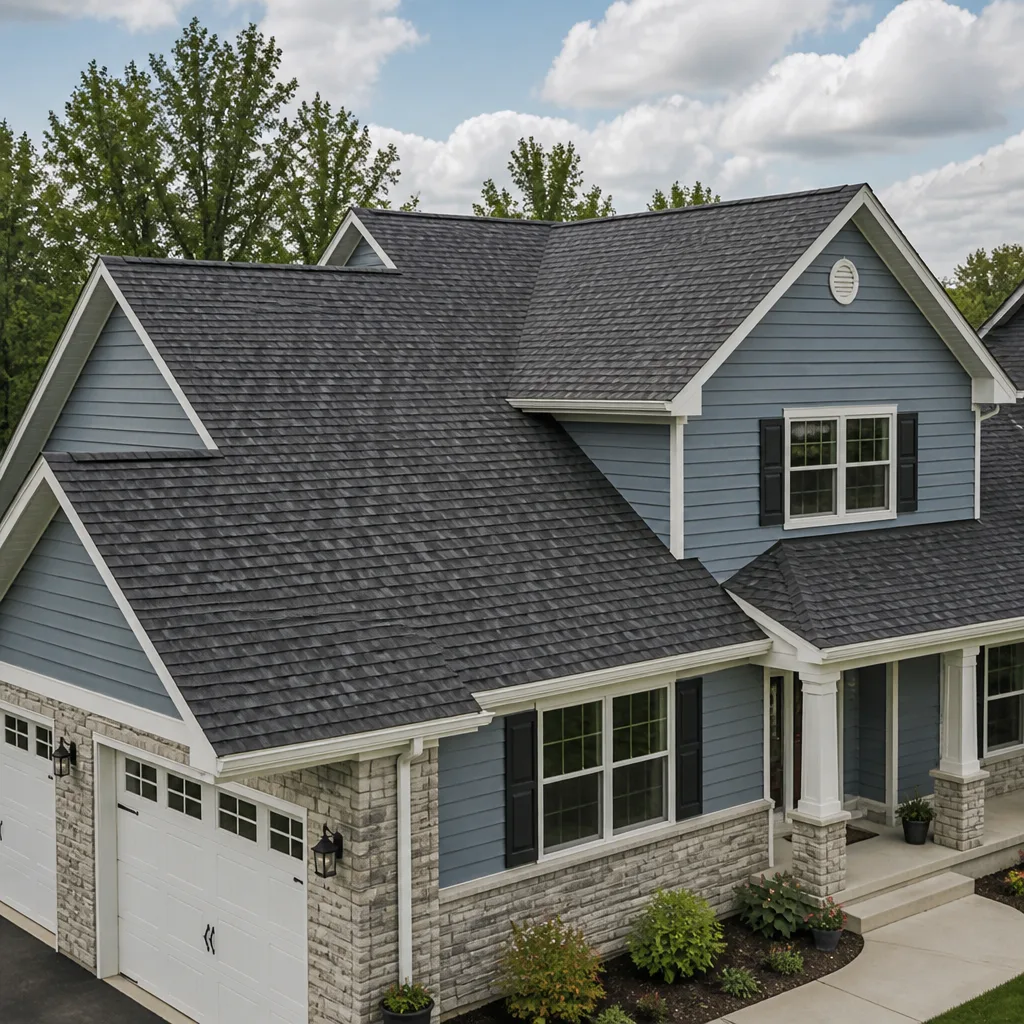
Roofing and roof-to-wall connections. The Miami-Dade roofing ordinance requires specific nail patterns, adhesive application rates, and edge metal fastening that are verified through intermediate and final inspections. An unpermitted roof replacement may appear sound from the ground but lack the fastening density that prevents uplift in a Category 4 or 5 event. After Andrew, engineers found that many roof failures originated not from material defect but from installation that deviated from the permitted and inspected detail. On Roofing in Miami projects, Rowan uses GAF or Owens Corning systems installed to manufacturer specifications that are also the Miami-Dade approved assembly, with every layer photographed and inspected.
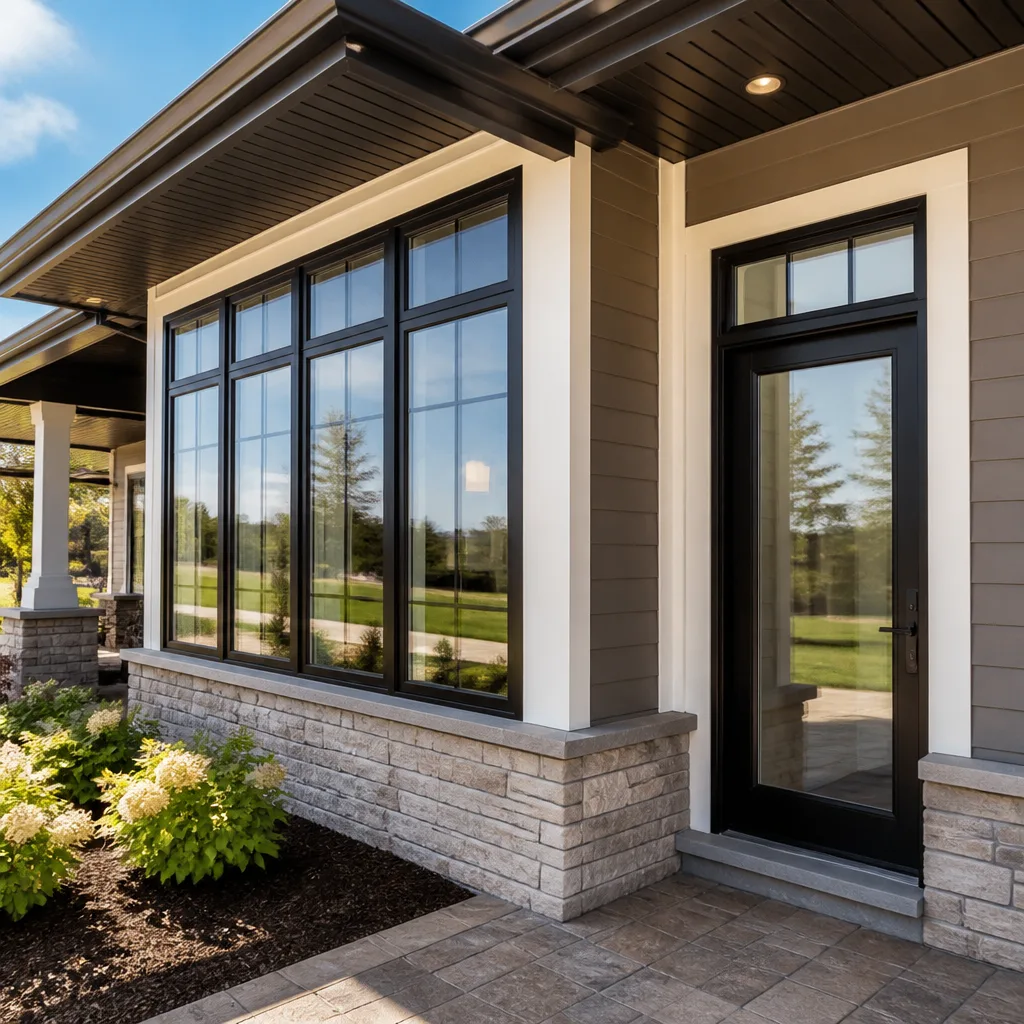
Opening protection: windows, doors, shutters. Miami-Dade’s impact-resistant requirements are among the most stringent globally. A window or door installed without permit has not been verified for design pressure rating, fastener embedment depth, or proper flashing integration with the weather-resistant barrier. In a hurricane, the failure of a single opening can pressurize the structure and cause catastrophic envelope failure. The unpermitted installation of a $400 sliding glass door can produce a total loss of a $900,000 home. Brands like CGI, CWS, ES Windows, and ECO Window Systems manufacture Miami-Dade approved products, but the product approval is void if installation deviates from the approved detail.
Structural modifications and load path. Removing a wall to open a floor plan, adding a second story, or constructing an ADU all require engineering for wind-load transfer. Miami-Dade’s foundation requirements include specific reinforcing schedules and concrete strengths that are verified through concrete break tests and rebar inspection. An owner-builder who pours a foundation without inspection may discover years later that the concrete failed to achieve specified strength, a defect that is undetectable without core testing and that can require complete reconstruction.
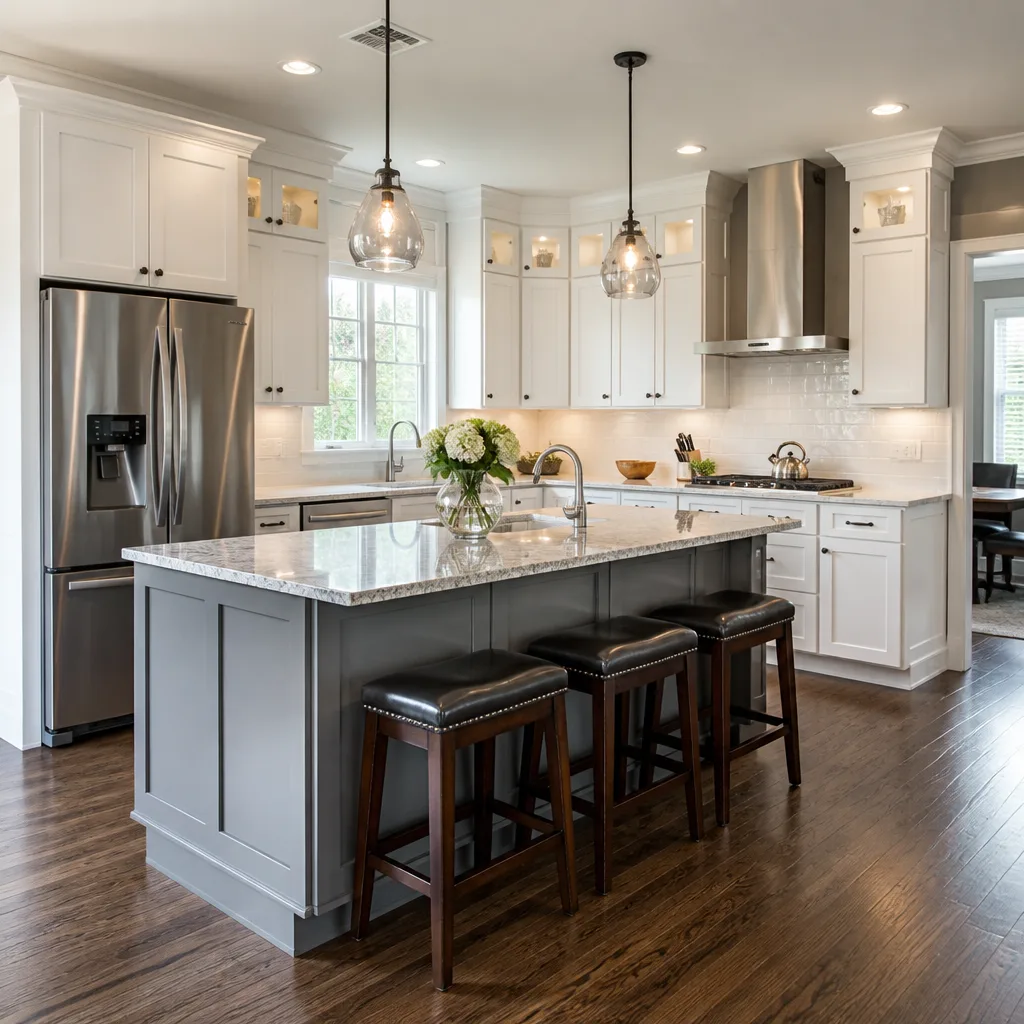
The cost asymmetry is stark. A permitted, inspected Kitchen Remodeling in Miami with structural wall modification might cost $45,000-$75,000. An unpermitted equivalent that later requires remediation for permit compliance, including opening walls for inspection and potential structural reinforcement, has cost $18,000-$35,000 in our experience, added to the original construction cost. The “savings” of DIY become a surcharge with interest.
What Miami Homeowners Can Safely Handle Themselves
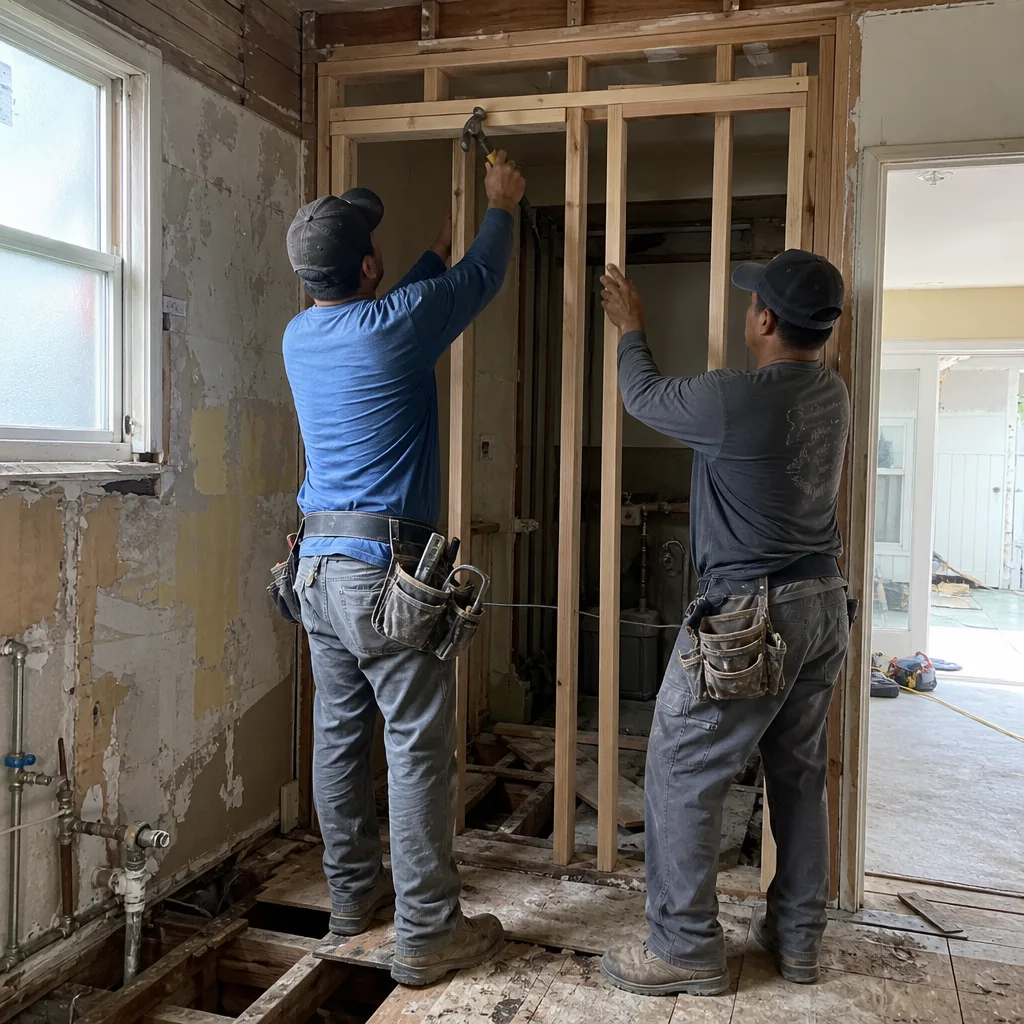
Not all home improvement requires professional engagement. The following projects are legally permissible, practically manageable, and carry risk levels appropriate to competent homeowners in Miami. For seasonal upkeep tips, see our Seasonal Construction Care for Miami: Year-Round Homeowner’s Guide:
- Interior painting and decorative finishes. No permit required, no structural or safety implications. Use low-VOC products for Miami’s airtight newer construction.
- Hardware and fixture replacement on existing plumbing. Swapping a faucet, showerhead, or cabinet pull on existing rough-in is within homeowner capability. Shut the water at the angle stop first.
- Like-for-like electrical device replacement. Installing a new switch, receptacle, or dimmer on an existing circuit, provided the device is not a GFCI or AFCI and the wiring is not aluminum. Turn off the breaker and verify with a non-contact voltage tester.
- Landscape planting and irrigation timer programming. No permit for planting; irrigation repair to existing heads does not require permit if the main line is not modified.
- Interior door replacement in existing frames. Slab replacement only; prehung units in new openings require permit.
- Closet organization systems and shelving. Freestanding or anchored to studs below 50 pounds per linear foot.
- Pressure washing and exterior cleaning. Avoid directing high-pressure water at window seals, soffit vents, or electrical service entrances.
For each of these, the homeowner should maintain records of what was done and when, including product specifications and photographs. This documentation supports future sale disclosures and insurance claims even when no permit was required.
Common Mistakes to Avoid
- Assuming cosmetic work never requires permit. In Miami-Dade, tile installation that involves substrate replacement or waterproofing in wet areas triggers permit requirements. A homeowner who retiles a shower floor without permit may face water intrusion that is excluded from insurance coverage.
- Using the owner-builder statute to avoid hiring a general contractor while still using unlicensed labor. Florida Statute 489.103 requires licensed subcontractors for electrical, plumbing, mechanical, and roofing. Hiring unlicensed workers for these trades exposes the owner to liability and voids the exemption.
- Failing to disclose owner-builder work at resale within one year. The statutory disclosure is not optional. A Miami homeowner who omits it risks rescission of the sale and potential civil liability under FDUTPA.
- Installing impact windows without verifying Miami-Dade product approval and installation detail. The product approval number must match the installation method. A CGI or ES Windows unit installed with non-approved fasteners or without proper shimming fails to maintain its rating and may be excluded from windstorm coverage.
- Beginning demolition before determining whether asbestos or lead is present. Homes built before 1980 in Miami frequently contain asbestos-containing materials in flooring, mastic, and joint compound. Disturbance without proper abatement is a federal violation and a health hazard.
- Assuming homeowner’s insurance covers all DIY work. Verify in writing before starting. The assumption is costly when tested.
- Neglecting to document even permitted professional work. Keep permits, inspection sign-offs, warranties, and product specifications in a single file. Future buyers and insurers will request them.
When to Call a Professional
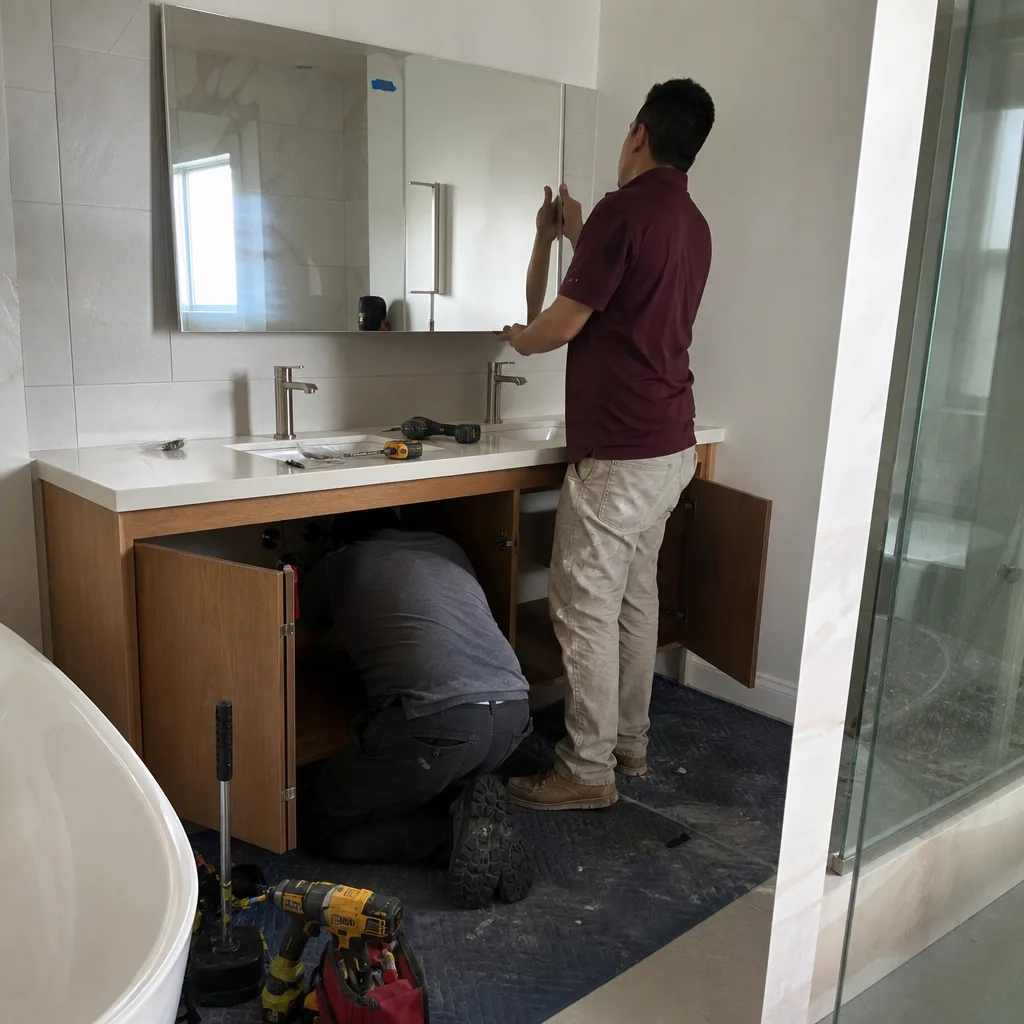
Call a licensed contractor when the project involves structural loads, regulated trades, or Miami-Dade permitting. This includes kitchen and bathroom remodeling that relocates plumbing or electrical, roofing of any scope, window and door replacement, home additions and ADUs, and any work that affects the weather-resistant envelope. After a kitchen project, use our Kitchen Remodeling Maintenance Checklist for Miami Homeowners to protect your investment. The cost of professional engagement includes permits, inspections, licensed trade work, and documentation that protects your investment and insurability.
Rowan Construction Group Miami offers free estimates in Miami. We deliver a written price before any work starts, with permits and inspections included, and we review competitor estimates line by line at no charge through our Free Second Opinion program. Call (786) 321-4970 to schedule your free estimate.
Frequently Asked Questions
A permitted professional bathroom remodel in Miami typically costs $18,000-$45,000 depending on scope, while DIY material costs run $4,000-$12,000 before permits, tools, and the value of time. The professional quote includes licensed plumbing and electrical, Miami-Dade permits and inspections, and documentation that satisfies insurers and buyers. Call (786) 321-4970 for a written estimate on your specific project.
You can pull an owner-builder permit under Florida Statute 489.103 if you occupy or intend to occupy the single-family residence, but you must still hire licensed subcontractors for electrical, plumbing, and mechanical work, provide engineered plans for structural modifications, and disclose the owner-builder status at resale within one year. Most homeowners find that the administrative burden and subcontractor coordination exceed the savings of acting as their own general contractor.
Most Florida homeowner’s policies now exclude damage from unpermitted plumbing work if the unpermitted condition contributed to the loss. Verify your specific policy language with your agent in writing before beginning any plumbing project. Damage from permitted, inspected work performed by a licensed plumber is generally covered subject to your policy’s standard terms.
Yes. All roofing work in Miami-Dade requires a permit, including partial reroofing, coating applications over 100 square feet, and repairs that exceed 25% of the roof area in any 12-month period. The permit ensures compliance with the High-Velocity Hurricane Zone requirements and maintains eligibility for windstorm insurance coverage.
Miami-Dade Code Enforcement can issue a stop-work order, require demolition of unpermitted construction, impose fines of $250-$500 per day of violation, and place a lien on the property that appears in title searches. The cost to bring unpermitted work into compliance, including opening walls for inspection and potential reconstruction, typically exceeds the original professional quote.
The exemption rarely produces net savings on substantial projects. While you avoid the general contractor’s overhead and profit (typically 15-25%), you assume liability for subcontractor coordination, permit compliance, inspection scheduling, and warranty obligations. On ADU and home addition projects in Miami, we have found that owner-builders who track their true time investment, including delays from their own learning curve, achieve effective hourly rates below minimum wage for the savings realized.
The Bottom Line
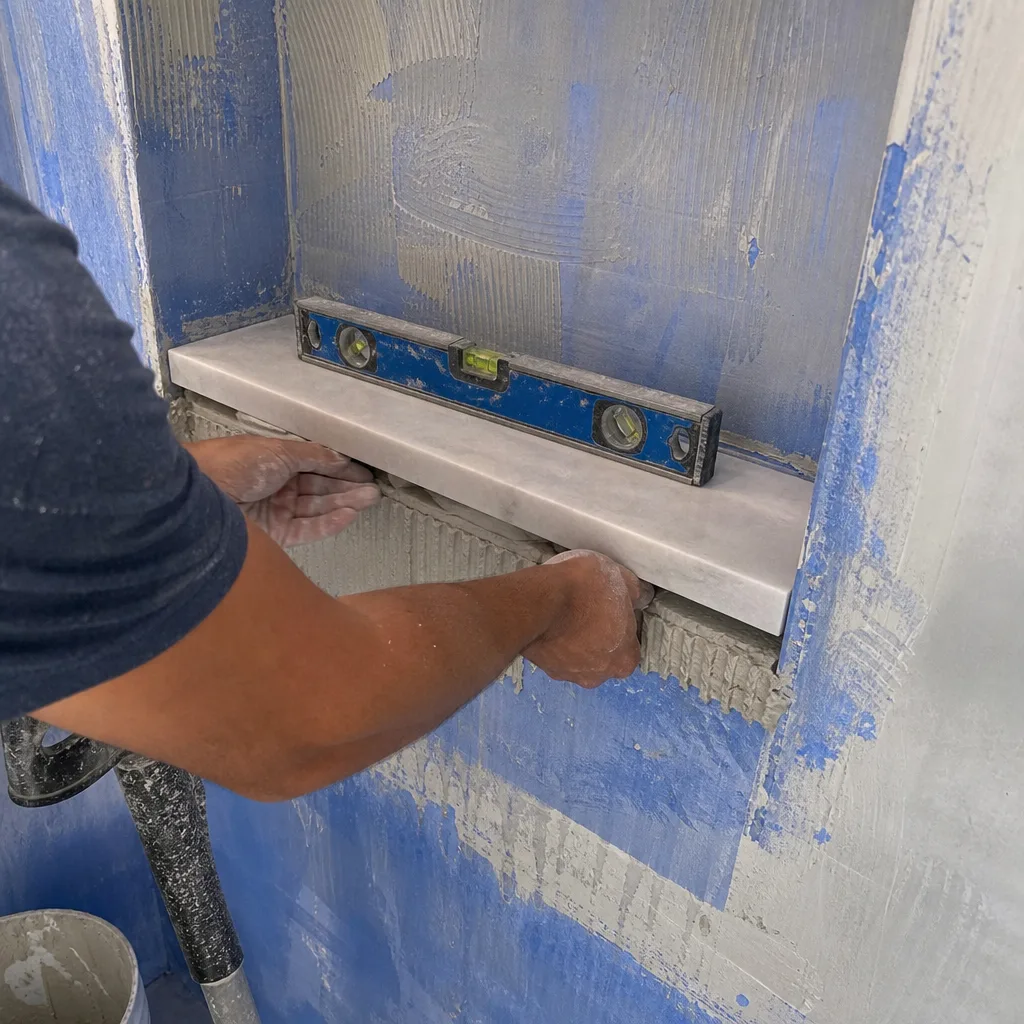
In Miami, the DIY versus professional decision is properly framed around permit exposure, not skill assessment. The Miami-Dade building code, Florida’s insurance market conditions, and the wind-load requirements of the High-Velocity Hurricane Zone create consequences for unpermitted work that do not exist in most U.S. markets. Homeowners can safely perform cosmetic and minor maintenance work. Any project involving regulated trades, structural modification, or the building envelope should be performed by licensed contractors with full permits and inspections. The documented record, written price, and warranty protection that professional engagement provides are not marketing features. Explore more guides & resources on protecting your Miami home. They are financial defenses in a market where a single permit omission can cost more than the original project.
Written by Grant Rowan, Owner at Rowan Construction Group Miami, serving Miami since 2007.