
Last updated September 22, 2026
Free written scope consultation - allowances, timeline, and change-order rules on paper before a single trade is scheduled


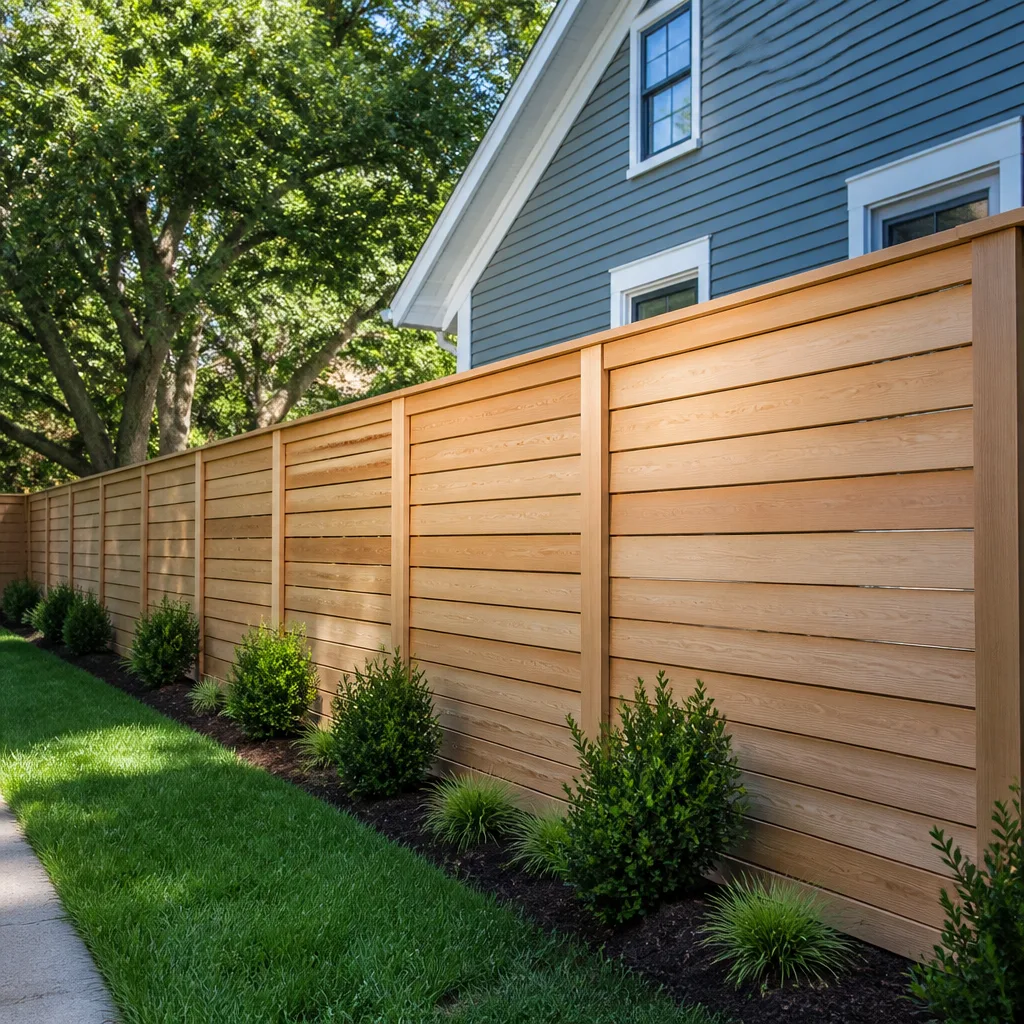
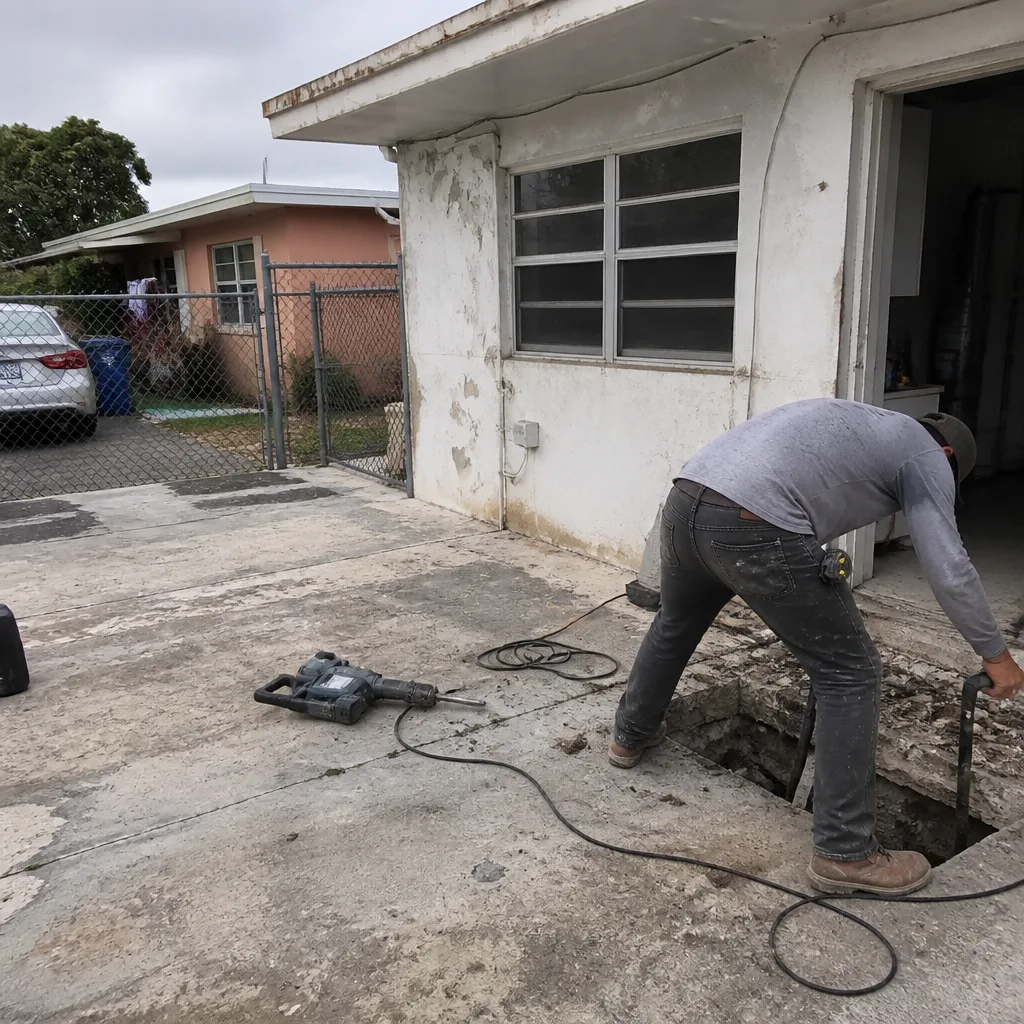 Before
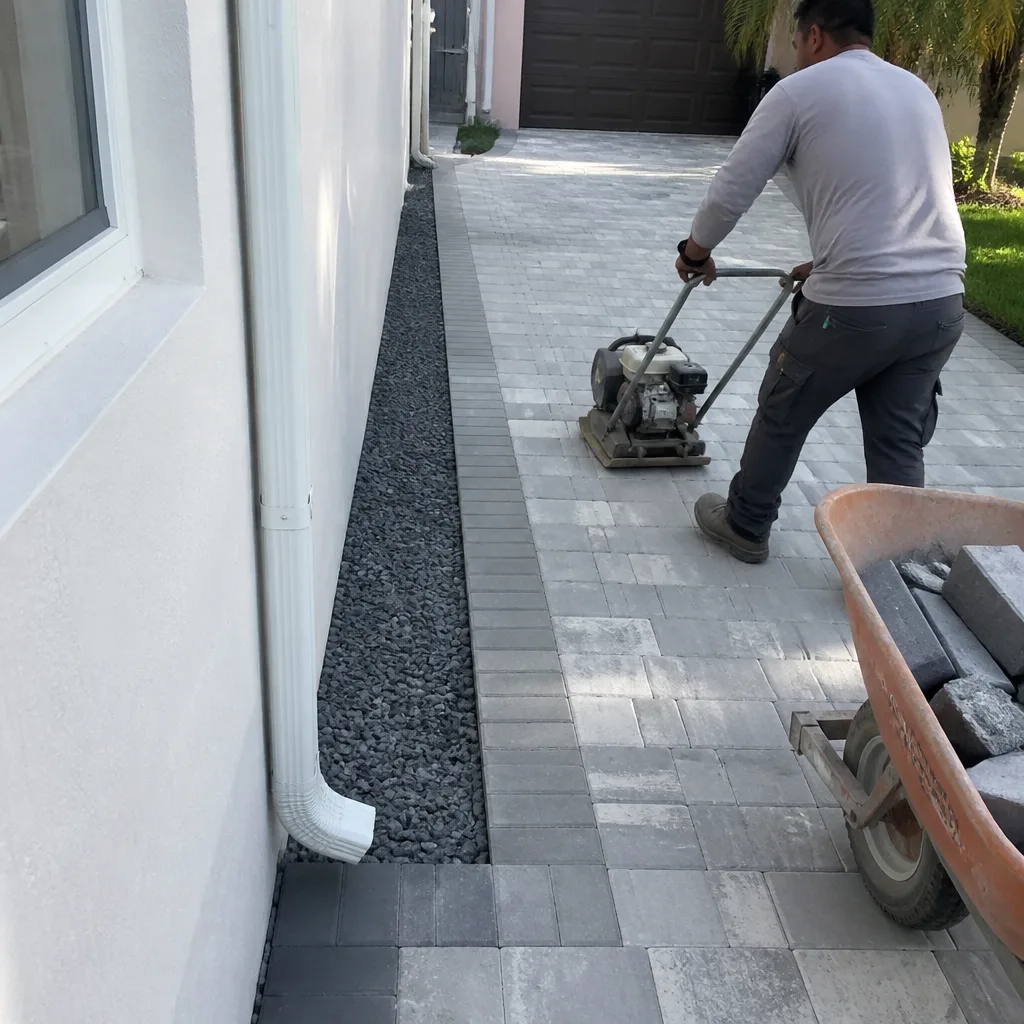 After
After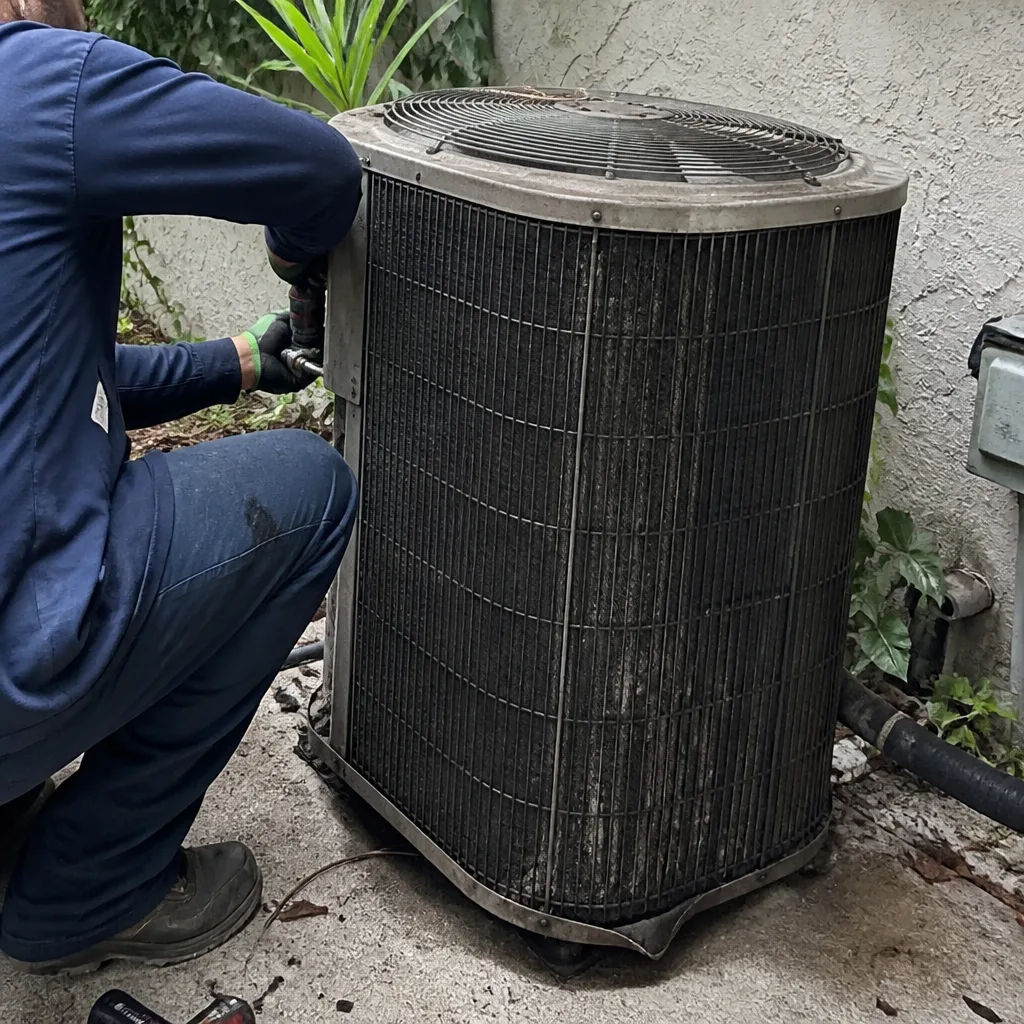 Before
 After
After Before
 After
AfterConstruction Warning Signs: A Miami Homeowner’s Reference Guide
Here’s a number that stops most homeowners cold: a contractor who asks for more than 10% or $1,000 upfront, whichever is greater, before work begins is already violating Florida Statute 489.126. That’s not an opinion. It’s a statute with a specific dollar threshold, and every homeowner in Miami can check it before signing anything. Yet in eighteen years of running Rowan Construction Group Miami, we’ve reviewed hundreds of competitor contracts brought in for our Free Second Opinion, and the deposit violation is the most common red flag we see - not because homeowners are careless, but because no one told them what normal looks like. This guide gives you a specific, observable indicator for each warning sign, not a subjective gut-check. You’ll learn the exact Florida statutes that protect you, the on-site conditions that reveal a substandard crew regardless of the general contractor’s license, and how to verify inspections through Miami-Dade’s public records rather than a contractor’s word.
Quick Answer
The most serious construction warning signs in Miami are quantifiable: deposits exceeding Florida’s 10% or $1,000 statutory cap, bids without line-item allowances or material brands named, no permit card posted at the job site, and change orders delivered verbally rather than in writing with a signature line. Verify every claim through independent sources - Miami-Dade’s iBuild portal for inspections, the Florida Department of Business and Professional Regulation for license status - and walk away from any contractor who resists documentation. For step-by-step guidance on vetting contractors, see our detailed guide.
Table of Contents
- Document Red Flags: What the Paperwork Reveals
- On-Site Warning Signs: Reading the Job Site
- Bid Red Flags: When the Numbers Don’t Add Up
- Behavioral Warning Signs During Construction
- How to Verify Inspections Actually Happened
- Miami-Specific Risks: Climate, Code, and Market Conditions
- Your Verification Checklist
BeforeAfterDocument Red Flags: What the Paperwork Reveals
The documents a contractor produces before the first tool hits the ground tell you more about the job’s outcome than any portfolio photo. In Miami’s construction market, where permit backlogs and material lead times create pressure to start fast, the paperwork is often where corners get cut first.
The Deposit Violation: Florida Statute 489.126
Florida law caps the upfront deposit for home improvement work at the greater of 10% of the contract price or $1,000. We’ve seen contracts from Miami contractors requesting 25%, 33%, even 50% before mobilization. The statute exists because a contractor who needs your cash to float material purchases or prior job overruns is a contractor already in financial distress.
Here’s what the statute means in practice:
- On a $45,000 kitchen remodel, the legal maximum deposit is $4,500 (10%)
- On a $6,000 fence installation, the legal maximum deposit is $1,000 (the statutory floor, since 10% would only be $600)
- The deposit must be held in escrow or applied to your specific job - not used for the contractor’s general operations
At Rowan Construction Group Miami, our written quotes specify the deposit amount and reference the statutory cap explicitly. Under Clause 1 of The Haven Standard, the price is written before anyone starts - and that includes the payment schedule.
The Missing Written Contract: Jobs Over $2,500
Florida Statute 489.126 also requires a written contract for any home improvement job exceeding $2,500. The contract must include: the contractor’s name, address, and license number; a description of the work; the total contract price; and the start and completion dates. A “proposal” or “estimate” with a signature line does not satisfy this requirement if it lacks these elements.
We’ve reviewed competitor “contracts” that are essentially marketing brochures with a price at the bottom. One Miami homeowner brought us a $78,000 kitchen renovation agreement that ran two pages and contained no permit clause, no change order procedure, and no warranty language - and nothing resembling a kitchen remodeling maintenance checklist to protect their investment. Under The Haven Standard, our contracts run 8-12 pages depending on scope, with every material brand specified, every allowance itemized, and the 365-Day Done Right Promise printed in full.
The Missing Notice to Owner
Florida’s construction lien law requires subcontractors and material suppliers to deliver a Notice to Owner within 45 days of first furnishing labor or materials. If you’re the homeowner, you should receive these notices. Their absence suggests either: the contractor is self-performing all work (rare for jobs over $10,000), or subcontractors are being paid late enough that they haven’t yet filed their notices - a cash-flow warning sign.
Ask your contractor directly: “Will I receive Notices to Owner from your subcontractors and suppliers?” A contractor who deflects or says “we handle all that” without explaining the process is either uninformed about lien law or concealing a payment problem.
The Absent Change Order Clause
Every construction contract should contain a change order procedure requiring written authorization before additional work proceeds. At Rowan, no work proceeds on a change until the change order is signed - the administrative discipline Haven acquired us for, and the reason our projects finish within a few percent of the agreed cost across 4,000-plus jobs. A contract without this clause invites the “while we’re here” verbal upcharge that doubles project costs.
On-Site Warning Signs: Reading the Job Site
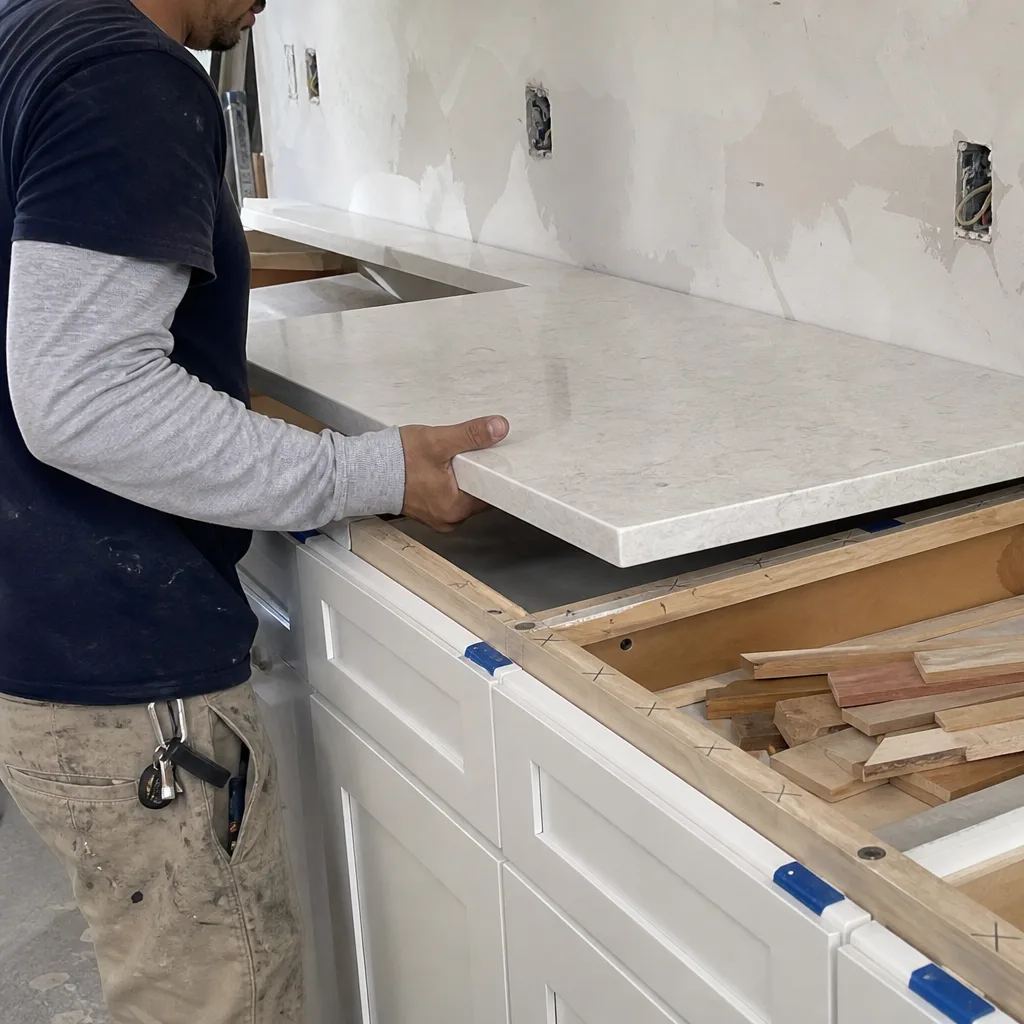
A general contractor’s license proves they passed an exam and carry insurance. It does not prove the crew on your property knows what they’re doing. These on-site indicators reveal substandard work regardless of the paperwork’s cleanliness.
No Permit Card Posted
In Miami-Dade County, the permit card must be posted at the job site and visible from the street. This is not bureaucratic decoration - it proves the inspector can verify the work against approved plans. We’ve arrived at jobs in Coral Gables and Pinecrest where framing was complete but no permit card was visible; in two cases, the contractor had pulled a permit but never posted it, and in one case, no permit existed at all.
Before work begins, ask for the permit number and verify it on Miami-Dade’s iBuild portal. Then drive by and confirm the card is posted. If the contractor says “the inspector has it” or “it’s coming next week,” stop work until it’s visible.
Materials Stored Improperly
Miami’s climate punishes construction materials. Lumber left on bare soil absorbs ground moisture and warps. Cabinets delivered without climate-controlled storage swell in our humidity. Roofing shingles stacked flat rather than on edge develop adhesive strip failure before installation.
On your job site, look for:
- Lumber on dunnage (spacers) at least 6 inches above soil, covered with breathable tarps - not plastic sheeting that traps condensation
- Drywall stored vertically in a dry, enclosed space, not leaning against an exterior wall
- Pavers and stone on pallets, not directly on sand or soil that will contaminate bedding surfaces
- Adhesives, sealants, and paint stored out of direct sun - Miami’s UV exposure degrades these materials in hours
We’ve specified Belgard and Techo-Bloc pavers on Miami jobs where the prior contractor stored materials on bare ground, introducing sediment that compromised the bedding layer and caused settlement within two rainy seasons.
Framing Lumber Selection
Not every 2×4 in a bundle is equal. Watch for lumber with visible twist (rotation along the length), cup (concave across the width), or bow (curvature along the edge) being installed without culling. A twisted stud creates drywall cracks; a bowed top plate transfers roof loads unevenly; cupped joists create squeaky floors.
Professional framers sort lumber at delivery and reject defective pieces. A crew that installs everything from the bundle is either untrained, rushed, or indifferent to the finish quality you’ll live with for decades.
Protection of Adjacent Surfaces
In Miami’s dense neighborhoods - Coconut Grove, Morningside, the Roads - homes sit close together. A crew that doesn’t protect your neighbor’s driveway, landscaping, or pool equipment from material delivery and debris is a crew that doesn’t think about consequences. Look for plywood runners on driveways, temporary fencing around plantings, and daily debris removal. Their absence predicts the quality of work you can’t see inside the walls.
Bid Red Flags: When the Numbers Don’t Add Up
A bid is a prediction. A bad bid is either dishonest or incompetent, and in Miami’s volatile construction market, both are common. Here’s how to read the numbers, and for the broader question of DIY vs professional construction, see our Miami homeowner’s decision guide.
Lump-Sum Pricing with No Line-Item Allowances
A single number - “$67,500 for complete kitchen renovation” - tells you nothing about what’s included. Professional bids break out: cabinetry (with brand and line specified), countertops (with material, thickness, and edge detail), appliances (allowance or specific model), flooring, electrical, plumbing, permits, and contingency.
At Rowan Construction Group Miami, our written quotes specify KraftMaid or Wellborn cabinet lines, Cambria or Caesarstone countertop materials, and Kohler or Toto fixtures - not “cabinets TBD” or “granite allowance.” This specificity protects both parties. When a homeowner brings us a competitor’s lump-sum bid for our Free Second Opinion, we can only identify what’s missing; we can’t verify what’s supposedly included.
Same-Day Bid Without Site Visit
A kitchen remodel, bathroom renovation, or room addition cannot be accurately priced from photos or a brief phone description. The condition of existing plumbing, electrical panel capacity, subfloor integrity, and wall framing all affect cost. A contractor who delivers a firm price same-day without walking the space is either padding heavily for unknowns (you overpay) or planning to recover through change orders later.
Our process for Kitchen Remodeling in Miami includes a site visit with measurement, photos of existing conditions, and discussion of how you use the space. The written price follows within 48 hours - never before we’ve seen the job.
The 25% Low Outlier
Collect three comparable bids. If one is more than 25% below the median, it’s not a bargain - it’s a different scope, a desperate contractor, or a plan to make up the difference through undisclosed extras. In Miami’s market, material costs vary modestly between established contractors with similar supplier relationships. Labor rates for skilled trades are even more consistent. A significantly lower bid almost always means something material is excluded.
Common exclusions we find in low bids:
- Permit fees and inspection costs (often $800-$2,500 in Miami-Dade)
- Demolition and debris disposal
- Electrical panel upgrades required by current code
- Plumbing rough-in modifications
- Final cleaning
No Material Brand Specifications
“Granite countertops” is not a specification. “Cambria quartz, 3cm thickness, eased edge, color: Brittanicca” is. A bid without brand names is a bid with room to substitute lower-grade materials after contract signing. We specify fifty-plus vetted brands across our trades - GAF or Owens Corning roofing, for example - because the written quote must contain honest numbers rather than inflated ones that anticipate substitution.
Behavioral Warning Signs During Construction
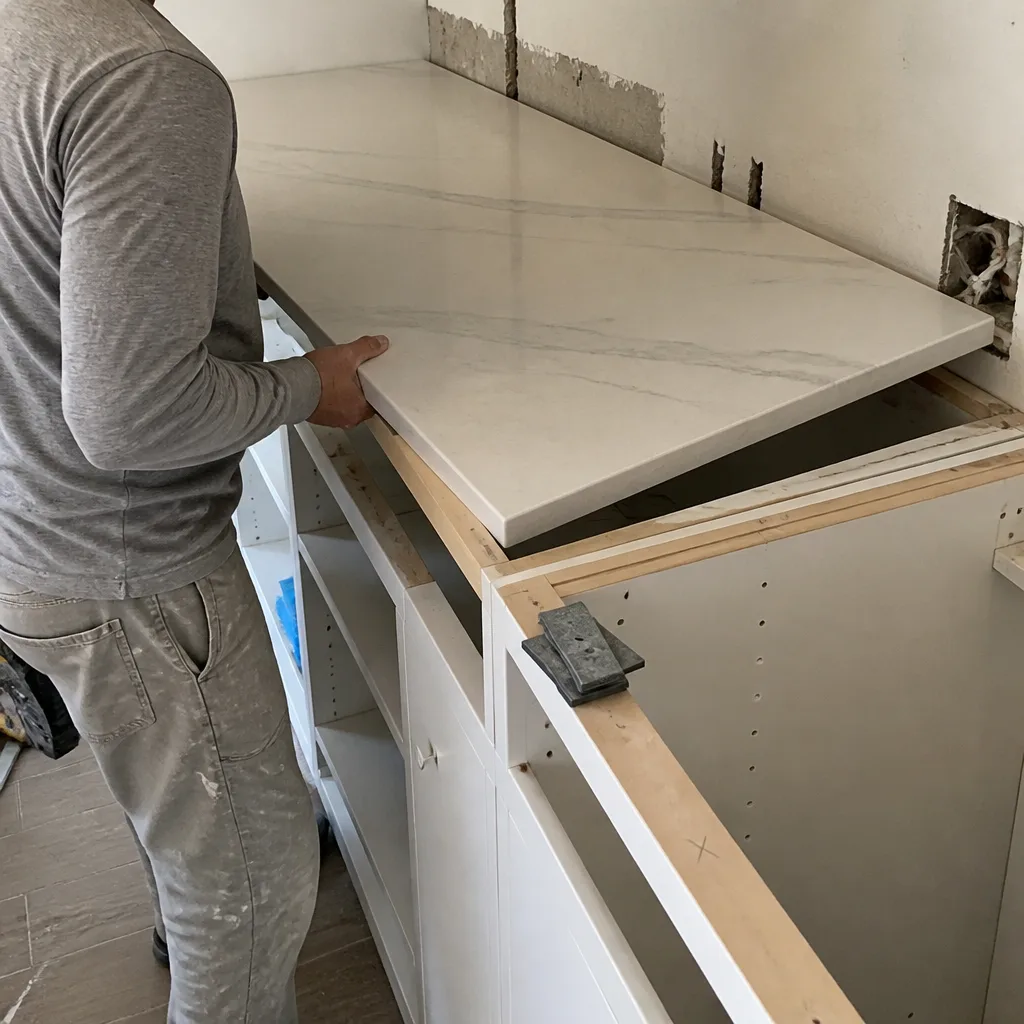
How a contractor behaves after contract signing often differs from their pre-sale presentation. These patterns predict project outcomes more reliably than any reference list.
Unavailability for Scheduled Site Meetings
The contractor who sold you the job should attend scheduled site meetings, especially at critical milestones: pre-drywall, tile layout confirmation, final fixture selection. A pattern of cancellations, no-shows, or sending unbriefed assistants suggests the contractor is overcommitted or has delegated your project to a junior without authority to resolve issues.
In our experience across Miami neighborhoods from Palmetto Bay to Wynwood, the most common complaint preceding project failure is not workmanship - it’s unreturned calls and missed meetings. Our standard includes a documented photo record on every visit, shared with the homeowner within 24 hours, so absence from the site is visible and accountable.
Verbal Change Orders
“While we’re here, we noticed the subfloor needs replacing - it’ll be about $3,200.” Any change delivered verbally rather than in writing with a signature line violates the discipline that controls project cost. At Rowan, no change proceeds without a signed change order. The homeowner receives: a description of the changed scope, the cost impact, the schedule impact, and a signature line. This administrative step takes ten minutes and saves thousands in disputed charges.
A contractor who resists written change orders is either disorganized or deliberately concealing cost inflation. Either way, the project is leaving the agreed price.
Subcontractors Who Don’t Know the General Contractor’s Name
This sounds extreme, but we’ve encountered it. On a Bathroom Remodeling in Miami project we were called to rescue, the tile installer could not name the general contractor who had supposedly hired him. He had been contacted through a labor broker and paid cash daily. This arrangement means no workers’ compensation coverage, no quality accountability, and likely no tax documentation - all liabilities that flow to the homeowner if an injury occurs or the work fails.
Ask subcontractors directly: “Who’s your employer on this job?” The answer should be immediate and match the contract.
Pressure to Accelerate Payment
Florida’s construction lien law creates specific payment schedules tied to work completion. A contractor who demands payment ahead of milestone completion - “I need the next draw to pay my roofer” - is using your project to finance cash-flow problems elsewhere. The contract payment schedule exists precisely to prevent this. Hold to it.
How to Verify Inspections Actually Happened
A contractor’s claim that “the inspector passed everything” is not verification. In Miami-Dade County, you can verify independently through the iBuild portal, and you should.
- Obtain the permit number from your contractor or from the posted permit card. It follows the format R-XX-XXXXX for residential work.
- Visit the Miami-Dade iBuild portal at miamidade.gov and search by permit number or property address.
- Review the inspection history - each inspection type (framing, electrical rough, plumbing rough, insulation, final) with date, inspector name, and result (pass, fail, partial pass, re-inspection required).
- Compare to your project timeline - if framing inspection passed on March 15 but drywall was installed March 12, the inspection was either falsified or the work proceeded out of sequence.
- Request the inspection card - the physical card signed by inspectors should be available at the job site or in your project file.
What to do if a passed inspection doesn’t appear in the public record:
- Contact Miami-Dade’s Building Department directly with the permit number
- Do not proceed with subsequent work until the discrepancy is resolved
- Document your inquiry in writing to the contractor
- Consider this a serious breach of contract and potential fraud
We’ve taken over Roofing in Miami projects where the prior contractor claimed all inspections passed, but iBuild showed no final inspection - meaning the Certificate of Occupancy or completion was invalid, and the warranty potentially unenforceable. The homeowner discovered this only when selling the property and facing the buyer’s inspection.
Miami-Specific Risks: Climate, Code, and Market Conditions
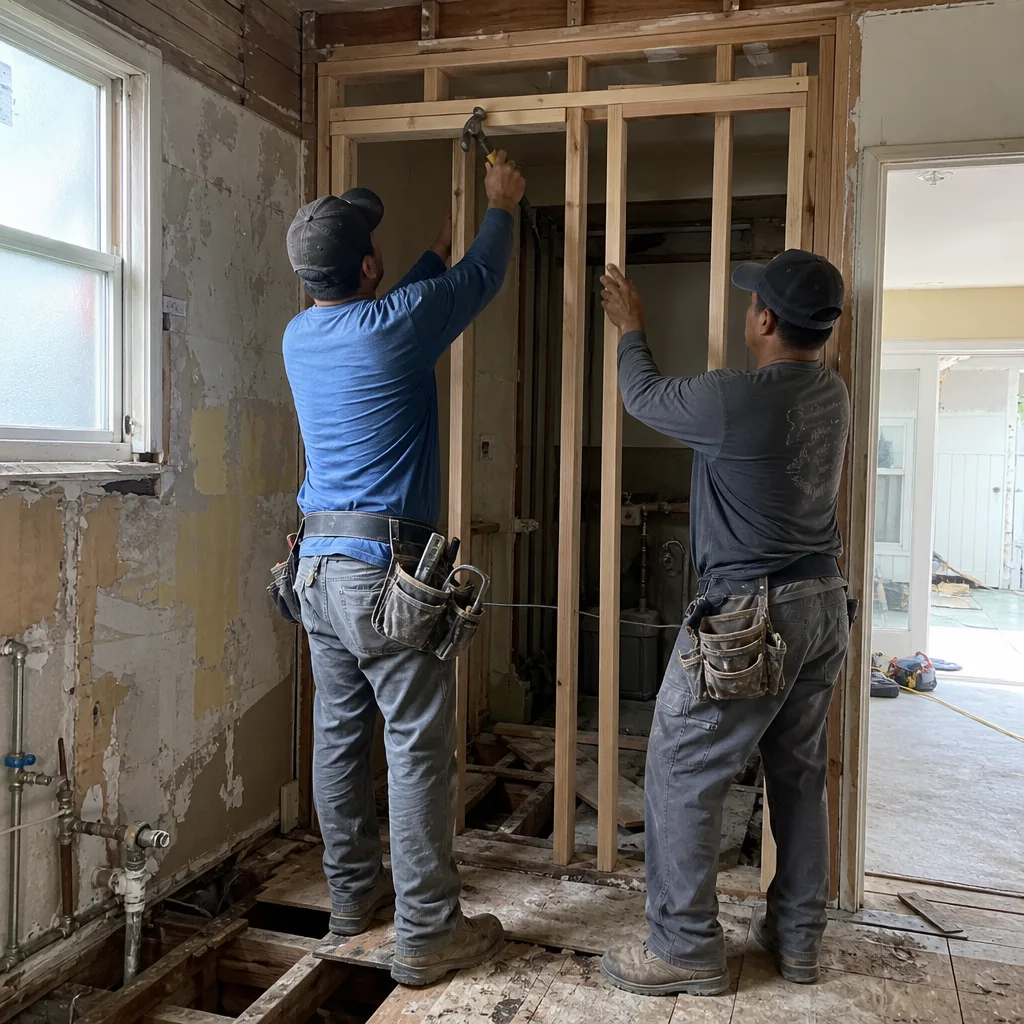
Miami’s construction environment creates warning signs that don’t apply in other markets. Understanding these local conditions helps you interpret what you see.
Wind-Borne Debris Zones and Product Approval
Miami-Dade’s High-Velocity Hurricane Zone requires windows, doors, and roofing products to carry Miami-Dade Product Approval or Florida Product Approval. A contractor who proposes “standard” windows without HVHZ rating is proposing illegal installation. The product approval number should appear on the bid and on the product label. Verify it at floridabuilding.org.
We’ve replaced non-approved windows installed by out-of-state contractors who didn’t understand Miami’s code - work that passed a cursory inspection but would void insurance coverage after a storm.
Corrosion and Material Selection
Miami’s salt air corrodes standard fasteners, uncoated steel, and aluminum without proper anodizing. A bid that specifies “galvanized” rather than “hot-dip galvanized” or “stainless steel” for exterior hardware is specifying failure within 3-5 years. On Roofing in Miami, we specify GAF or Owens Corning systems with stainless or hot-dip fasteners for this reason.
Seasonal Timing and Contractor Availability
Post-hurricane demand surges create a predictable pattern: unlicensed contractors appear, licensed contractors raise prices or extend lead times, and homeowners accept verbal promises to “get in the queue.” The warning sign is any contractor who can start immediately after a major storm when established firms are booked 8-12 weeks out. They’re either unlicensed, uninsured, or abandoning another job to chase your deposit.
Soil Conditions and Foundation Work
Miami’s limestone substrate and high water table create specific requirements for additions, ADUs, and major renovations. A bid for foundation work that doesn’t reference soil bearing capacity, dewatering provisions, or the need for specialized piers in low-lying areas like Miami Beach or Key Biscayne is incomplete. We’ve reviewed foundation bids with no geotechnical reference for sites where the water table sits 18 inches below grade.
Your Verification Checklist
Use this checklist before signing any contract, at project milestones, and before final payment. For more guides & resources on protecting your project, explore our blog.
| Verification Item | How to Check | Red Flag Threshold |
|---|---|---|
| License status | myfloridalicense.com | License expired, inactive, or different name than contract |
| Insurance certificate | Request directly from insurer, not contractor | Certificate dated before contract, or coverage below project value |
| Deposit amount | Calculate 10% or $1,000 cap | Any amount above the statutory maximum |
| Permit status | Miami-Dade iBuild portal | No permit pulled, or permit in different contractor name |
| Inspection history | iBuild portal inspection tab | Missing inspections, or work proceeding after failed inspection |
| Change order documentation | Review project file | Verbal changes, or written changes without your signature |
| Lien releases | Request from contractor at each payment | Missing releases from subcontractors or suppliers |
| Final inspection | iBuild portal + physical inspection card | No final inspection, or “passed” claim without record |
Common Mistakes to Avoid
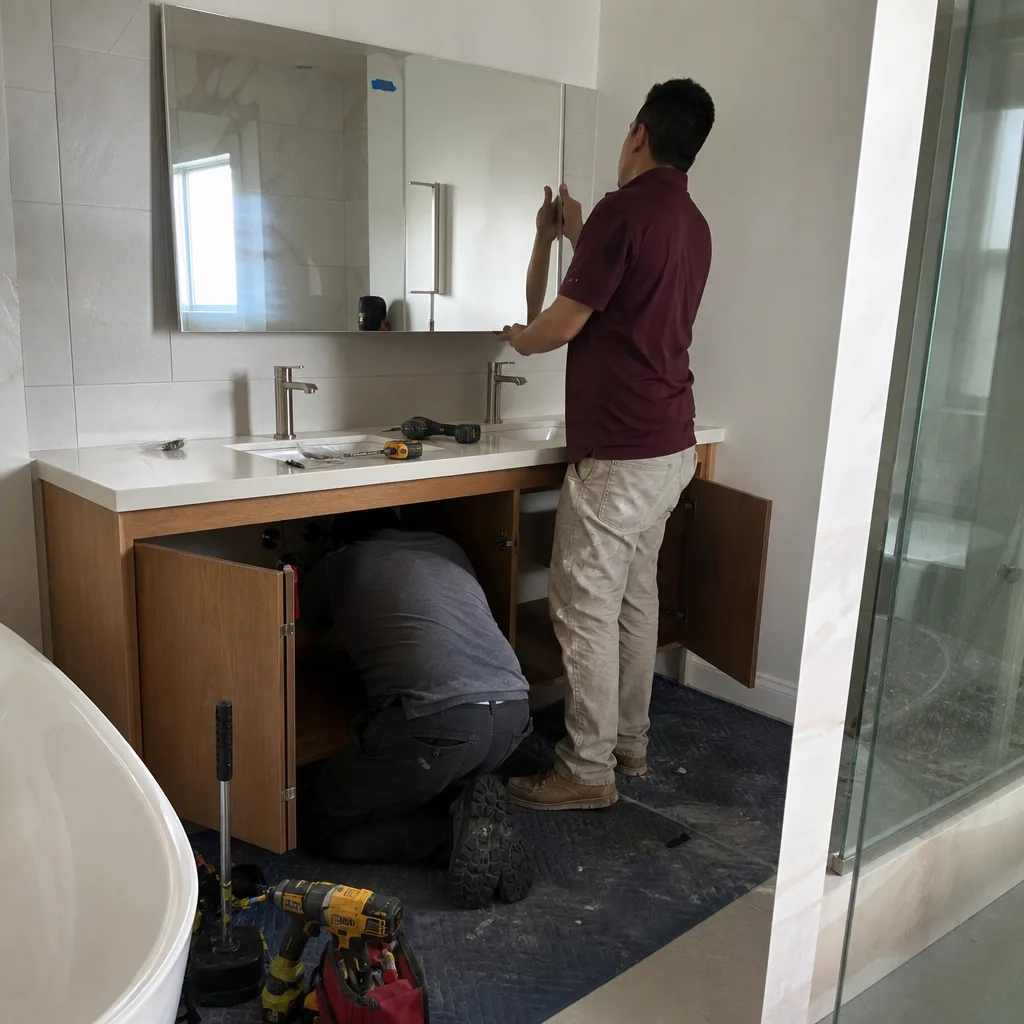
- Trusting a contractor’s word over written documentation. Every promise belongs in the contract. Verbal assurances about timeline, materials, or warranty terms are unenforceable and often forgotten by the person who made them.
- Paying the full deposit allowed by law without negotiating a lower amount. The statutory cap is a maximum, not a recommendation. A 5% deposit on a major project is reasonable and reduces your exposure if the contractor fails to perform.
- Accepting a start date before permit approval. In Miami-Dade, permit review times vary by project complexity. A contractor who starts “while the permit is being processed” is performing unpermitted work, and you may be required to remove it at your expense.
- Failing to verify product approvals for hurricane-rated materials. Non-approved windows, doors, or roofing installed in Miami’s HVHZ violate code and invalidate insurance. The product approval number is your protection - verify it independently.
- Not requesting lien releases with each payment. Florida’s construction lien law allows subcontractors and suppliers to file liens against your property even if you paid the general contractor in full. Lien releases from all parties protect your title.
- Ignoring the 45-day Notice to Owner window. If you don’t receive required notices from subcontractors and suppliers, you lose the ability to make joint checks or verify payment - increasing your lien risk.
- Skipping the final inspection verification. A contractor’s claim of completion means nothing without the jurisdiction’s sign-off. In Miami, final inspection records affect resale, insurance, and warranty enforcement.
When to Call a Professional
Call a licensed contractor when you’ve identified warning signs but need an independent assessment of the work’s condition and cost to correct. This applies to inherited projects where the prior contractor disappeared, to pre-purchase inspections revealing unpermitted additions, and to mid-project disputes where an objective scope review can prevent further escalation.
Rowan Construction Group Miami offers free estimates throughout Miami - call (786) 321-4970 to schedule. We also provide our Free Second Opinion on any written estimate from another contractor, reviewing line items and identifying exclusions or risks you may have missed. Our background-checked, uniformed technicians arrive with a documented photo record as standard, and every project is quoted with a flat written price and written scope before work begins.
Frequently Asked Questions
Florida law caps the deposit at the greater of 10% of the contract price or $1,000. On a $50,000 home addition, that means $5,000 maximum. Call (786) 321-4970 if you’ve been asked for more - we can review your contract as part of our Free Second Opinion.
Yes. Visit myfloridalicense.com and search by the contractor’s name or license number. Verify the license is active, in the correct classification (Certified General Contractor, Certified Building Contractor, or Registered Contractor for your jurisdiction), and matches the name on your contract. A license in a different name suggests subcontracting without disclosure.
Most residential construction in Miami-Dade requires permits. Exemptions are limited to cosmetic work - painting, flooring replacement without subfloor modification, and similar. Any structural, electrical, plumbing, or roofing work requires permits. A contractor who avoids permitting is avoiding inspection, which protects their substandard work at your expense.
Check Miami-Dade’s iBuild portal using your permit number. The inspection history shows each inspection type, date, inspector name, and result. Do not rely on the contractor’s verbal report or a photo of what they claim is a passed inspection card. For an exact quote on work that failed inspection and needs correction, call (786) 321-4970 - estimates are free.
A valid change order contains: description of the changed scope, cost increase or decrease, schedule impact, and signature lines for both contractor and homeowner. At Rowan Construction Group Miami, no work proceeds on a change until the change order is signed - this administrative discipline has kept our projects within a few percent of the agreed price since 2007.
A bid 25% or more below the median of comparable bids typically excludes required work, uses unapproved or substandard materials, or comes from a contractor who will recover costs through undisclosed change orders. The low bid is rarely the cheapest project - it’s the most expensive surprise. Bring it to us for a Free Second Opinion and we’ll identify what’s missing.
The Bottom Line
Construction warning signs in Miami are not mysteries - they’re specific, observable conditions with statutory definitions and public verification methods. The deposit cap is 10% or $1,000. The permit card must be posted. Inspections appear on iBuild. Change orders require signatures. A contractor who resists any of these verifiable standards is not merely informal; they’re avoiding accountability that exists precisely because homeowners need protection. Document everything, verify independently, and remember that the written price before any work starts is not a courtesy - it’s your legal right and your financial shield.
Written by Grant Rowan, Owner at Rowan Construction Group Miami, serving Miami since 2007.