
Last updated September 22, 2026
Free written scope consultation - allowances, timeline, and change-order rules on paper before a single trade is scheduled



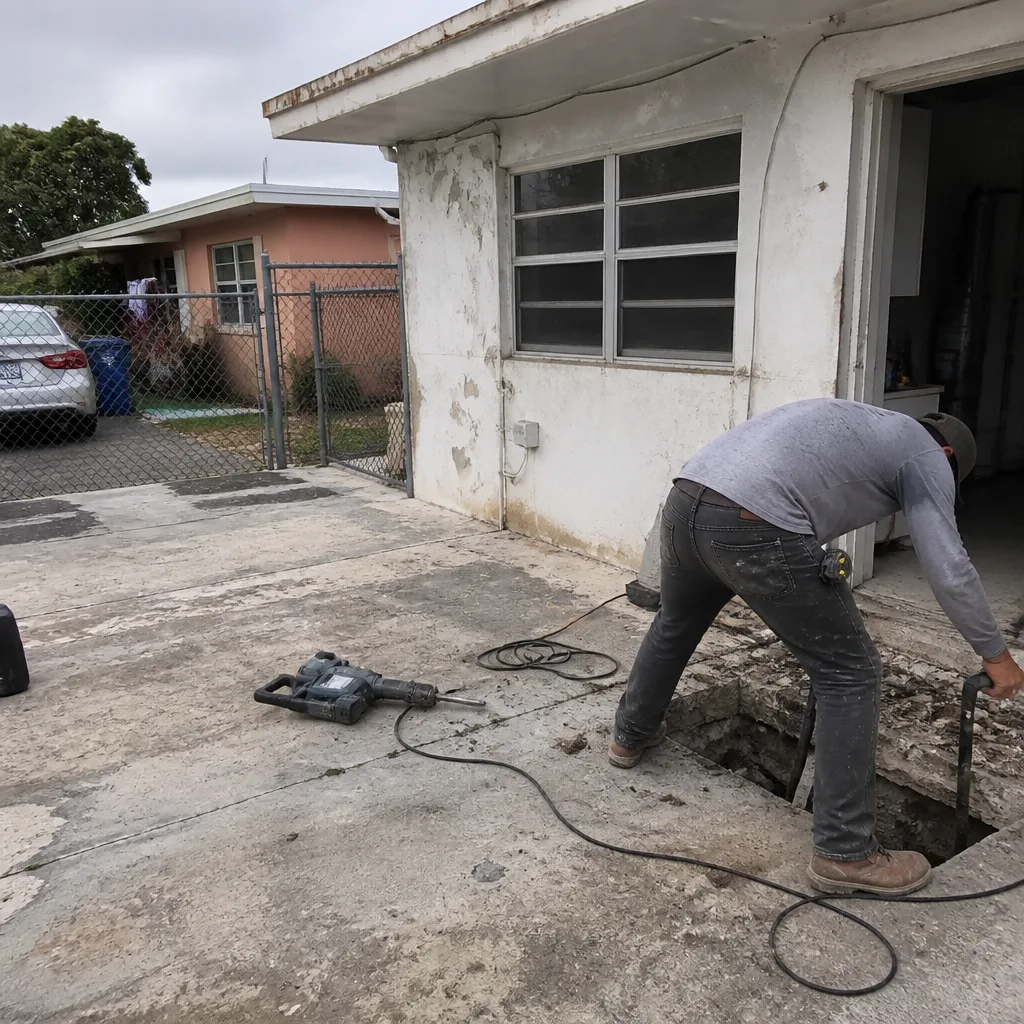 Before
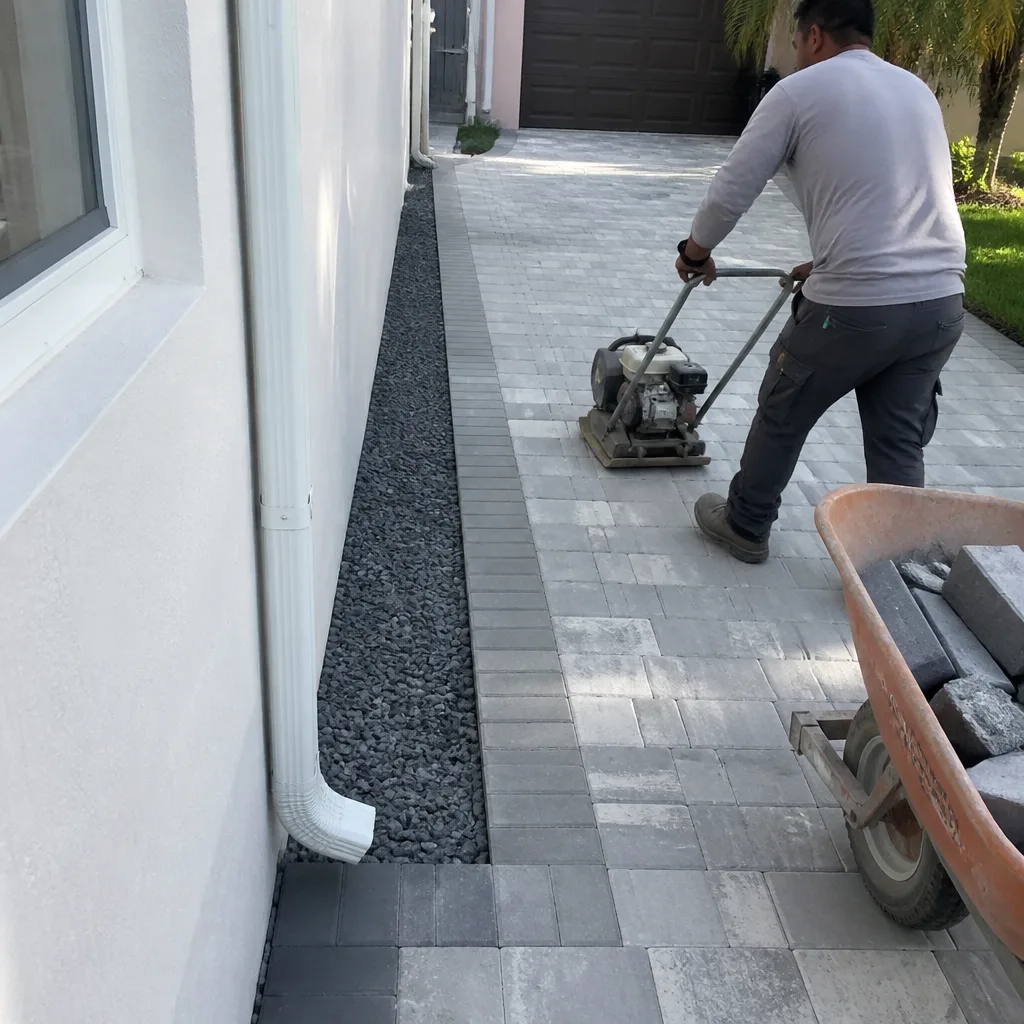 After
After Before
 After
After Before
 After
AfterHow to Hire a Construction Contractor in Miami: A Step-by-Step Guide
Florida’s Department of Business and Professional Regulation (DBPR) license lookup takes 90 seconds and shows active status, complaint history, and bond amount - yet most Miami homeowners skip it entirely and rely on a referral alone. In a market where a kitchen remodel runs $45,000-$85,000 and a home addition can exceed $200,000, that 90-second check is the cheapest insurance you’ll buy. This guide gives you a numbered sequence of verifiable checkpoints, not vague interview questions about “communication style.” By the end, you’ll know how to confirm a license is real and current, read a Certificate of Insurance like an underwriter, spot a contract that violates Florida law before you sign it, and protect your property title from mechanic’s liens. Every step includes the exact document, website, or clause to request.
Quick Answer
Hiring a construction contractor in Miami requires verifying an active DBPR license with zero open complaints, confirming a Certificate of Insurance naming the contractor (not just the agency) with at least $1M general liability, and signing a Florida-compliant contract with deposit caps, fixed start/completion dates, and signed change-order language. Request lien waivers from every subcontractor before each payment. These four checks - license, insurance, contract, liens - take under 30 minutes and eliminate most disputes before they start.
Table of Contents
- Step 1: Verify the License Through DBPR and Miami-Dade County
- Step 2: Read the Certificate of Insurance Like an Underwriter
- Step 3: Evaluate the Contract Against Florida Statute 489.126
- Step 4: Compare Bids on Line Items, Not Lump Sums
- Step 5: Protect Your Property from Mechanic’s Liens
- Step 6: Check References the Right Way
- Common Mistakes to Avoid
- When to Call a Professional
- Frequently Asked Questions
- The Bottom Line
BeforeAfterStep 1: Verify the License Through DBPR and Miami-Dade County
The DBPR license lookup is at myfloridalicense.com. Enter the contractor’s license number or name. You’re checking four fields, and missing any one is a reason to stop.
- Qualifier name: This is the person who passed the state exam and legally qualifies the company. If John Smith’s license qualifies “Smith Construction Inc.” but your contract is with “Smith Construction LLC,” that’s a mismatch. The entity on your contract must match the licensed entity exactly.
- License type: A Certified General Contractor (CGC) can build anything statewide. A Certified Building Contractor (CBC) is limited to structures under four stories. A Residential Contractor (CRC) is limited to one- and two-family homes. For a home addition in Miami or ADU, confirm CGC or CBC status. A roofer with only a Division II Roofing Contractor license cannot legally contract for your kitchen remodel.
- Expiration date: Florida licenses expire August 31 of even or odd years depending on the type. A contractor working with an expired license is uninsured and unbonded, regardless of what their card says.
- Open complaint count: Click “Complaint History.” Even dismissed complaints reveal patterns. Three complaints about abandoned projects in five years is a data point, not a coincidence.
Miami-Dade County adds a local layer. Check miamidade.gov/permits for contractor registration status. Unregistered contractors cannot pull permits in Miami-Dade, which means your project sits in limbo or gets permitted under someone else’s license - a red flag for liability and warranty enforcement. In Coral Gables and Pinecrest, local contractor registration is separate from county registration; ask specifically.
We pull our own license status for every estimate we deliver. Under Clause 1 of the Haven Standard, the written quote includes our license number, expiration date, and qualifier name - because a customer shouldn’t have to hunt for it. In 18 years and 4,000-plus projects, we’ve never asked a homeowner to “trust us” on credentials.
Step 2: Read the Certificate of Insurance Like an Underwriter
A Certificate of Insurance (COI) is a single page that proves coverage exists on the date issued. Most homeowners glance at the dollar amounts and file it. Here’s what to verify.
The contractor must be named, not just the agency. The “Named Insured” box should show “Rowan Construction Group LLC” or equivalent - not just “ABC Insurance Agency.” If the agency is named instead of the contractor, the policy may not cover your project at all.
Confirm the policy covers your project type. General liability policies exclude certain work unless endorsed. Roofing, demolition, and foundation work are common exclusions. Ask for the “description of operations” box or the endorsements page. If your project is a roof replacement in Miami and the policy excludes roofing, you have no coverage for that phase.
Check limits against Miami-Dade minimums. $1 million per occurrence in general liability is standard for general contractors in Miami. Many subcontractors carry $300,000 - legal, but inadequate for a $150,000 home addition. For projects over $100,000, request an umbrella policy of $2-5 million. Workers’ compensation is mandatory in Florida for construction companies with one or more employees; verify it, because an uninsured worker injured on your property can file against your homeowner’s policy.
Request the COI directly from the insurance agency, not the contractor. Email the agency listed on the certificate and ask them to confirm coverage is active and your project address is scheduled for coverage. This takes five minutes and eliminates forged certificates, which are more common than homeowners realize.
We provide our COI with every written estimate, and we encourage customers to call our agent directly. The Haven Standard requires it - Clause 3 mandates documented coverage for every project phase, every crew member, every visit.
Step 3: Evaluate the Contract Against Florida Statute 489.126
Florida Statute 489.126 governs construction contracts for residential projects over $2,500. A compliant contract isn’t just good practice - it’s the law. Here’s what must appear, and what missing language signals.
Required elements:
- License number: Must be printed on the first page. No number, no contract.
- Start and completion dates: Vague language like “weather permitting” or “as soon as possible” violates the statute. Fixed dates, with written provisions for delay, are required.
- Deposit cap: For projects over $2,500, the deposit cannot exceed 10% of the contract price or $1,000, whichever is less. A contractor asking for 50% upfront is breaking Florida law.
- Description of work and materials: “Kitchen remodel” is insufficient. The contract must specify scope: demolition of existing cabinetry, installation of new cabinets (brand and line specified), countertop material and square footage, plumbing fixture relocation, electrical work to code, etc.
- Change order language: Must specify that no change proceeds without a written, signed change order. Verbal approvals are unenforceable.
- Notice of lien rights: Must include the Florida-prescribed notice explaining the owner’s right to require lien waivers.
Red flags in Miami-specific contracts:
Many Miami contractors use “allowances” for finishes - $5,000 for cabinets, $3,000 for tile - without specifying brands or grades. In a market where PGT and CGI impact windows cost 40% more than standard vinyl, an allowance system guarantees a mid-project price hike when you select the product you actually want. We quote fixed prices with specified brands: KraftMaid or Wellborn for cabinets, Cambria or Caesarstone for countertops, PGT or CWS for impact-rated windows. The price in the contract is the price you pay, with signed change orders for any owner-requested deviation.
Another Miami-specific issue: hurricane code compliance. Florida Building Code Chapter 16 requires impact-rated openings or shutters in the High-Velocity Hurricane Zone, which includes all of Miami-Dade. Your contract should explicitly state who provides the product certification (HVHZ approval) and who pulls the building permit. If the contract is silent on code compliance, the cheapest bid often becomes the most expensive when the inspector fails the rough inspection.
Under the Haven Standard, every contract includes a written scope, a written price, and a written warranty - the 365-Day Done Right Promise printed on page one, not referenced by asterisk. No work proceeds on a change until the change order is signed. This administrative discipline, acquired when Haven purchased Rowan in 2019, is why our projects finish within a few percent of the agreed number.
Step 4: Compare Bids on Line Items, Not Lump Sums
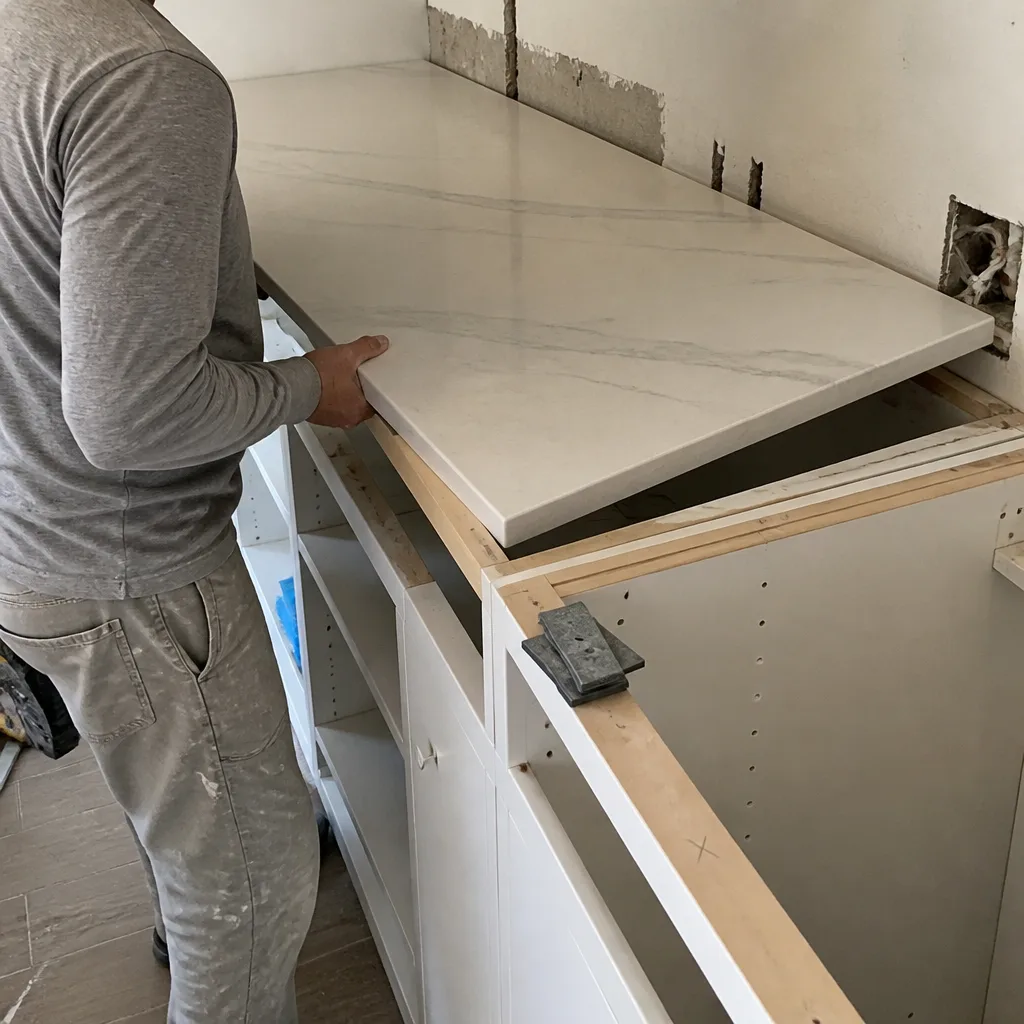
Three bids for a kitchen remodel in Miami: $52,000, $58,000, $61,000. The $52,000 bid wins, until you discover it excludes permit fees, uses laminate countertops under a “stone allowance,” and budgets $4,000 for electrical when your 1960s Coral Gables home needs a full panel upgrade.
Line-item comparison reveals the real numbers. Request every bid broken into these categories:
- Demolition and disposal: Includes permit for dumpster, protection of adjacent surfaces, haul-away. Miami-Dade landfill fees run higher than Broward; verify disposal is included, not “by others.”
- Rough construction: Framing, drywall, subfloor. Specify material grades - 5/8″ Type X fire-rated drywall where code requires it, not 1/2″ standard.
- Mechanical systems: Electrical, plumbing, HVAC. In Miami’s humidity, this is where low bids cut corners: undersized HVAC, ungrounded outlets, cast-iron drain lines where PVC is specified.
- Finishes: Cabinets, countertops, flooring, fixtures. Brand and model numbers, not “or equal.” For impact windows, specify PGT, CGI, CWS, or ES Windows - all Miami-tested, HVHZ-approved brands we source at volume.
- Permits and inspections: Who pulls, who attends, how many inspections are anticipated. Miami-Dade building department requires rough, insulation, and final inspections for most remodels; Gables and Pinecrest add their own layers.
- Project management and cleanup: Daily photo documentation, final cleaning, warranty registration. These are standard under the Haven Standard, upgrades elsewhere.
Allowances versus fixed costs: An allowance is a budget placeholder. A fixed cost is a commitment. In our experience across 4,000 projects, allowances inflate final cost by 15-30% because the “allowance” was set below any realistic selection. Our quotes use fixed costs with specified brands - fifty-plus vetted lines across seven trades - so the written number is honest, not aspirational.
We also offer a Free Second Opinion on any written estimate. Bring a competitor’s line-item quote and we’ll review it clause by clause, no charge. We’ve found $8,000 in missing permit costs on a single bid, and $12,000 in unspecified electrical upgrades on another. The homeowner who compares line items doesn’t get surprised.
Step 5: Protect Your Property from Mechanic’s Liens
A mechanic’s lien is a legal claim against your property filed by a contractor or subcontractor who wasn’t paid. In Florida, subs can lien your home even if you paid the general contractor in full - if the GC didn’t pay them. Miami’s construction volume and subcontractor density make this a genuine risk.
Three documents protect you. Request all three before first payment.
- Notice to Owner acknowledgment: Florida law requires subcontractors and suppliers on projects over $2,500 to serve a Notice to Owner within 45 days of first work. This document tells you who has lien rights on your project. If your roofer’s shingle supplier never sent one, they cannot later file a lien. Request a log of all NTOs received; cross-check against every trade on site.
- Preliminary lien waiver from each subcontractor: Before each progress payment, every sub who worked that period must sign a waiver releasing lien rights for that amount. Conditional waivers (“upon clearance of check”) are standard; unconditional waivers (“regardless of payment”) are risky for subs and unnecessary for you. Use conditional.
- Final lien waiver at project close: After final payment, every sub and supplier signs a final waiver. No waiver, no final check. This is non-negotiable.
Miami’s fast-paced market increases lien risk. Subcontractors on multiple jobs may float cash between projects; if one client delays payment, your project’s tile installer may file a lien to secure their position even if your GC paid them partially. The waiver system breaks that chain.
We include lien waiver management as standard on every project. Our customers receive a binder - physical or digital - with every NTO, every conditional waiver, every final release, organized by trade and date. It’s part of the documented photo record: not just what we did, but who was paid and who released their claim. Under the Haven Standard, your title stays clean or we make it right.
Step 6: Check References the Right Way
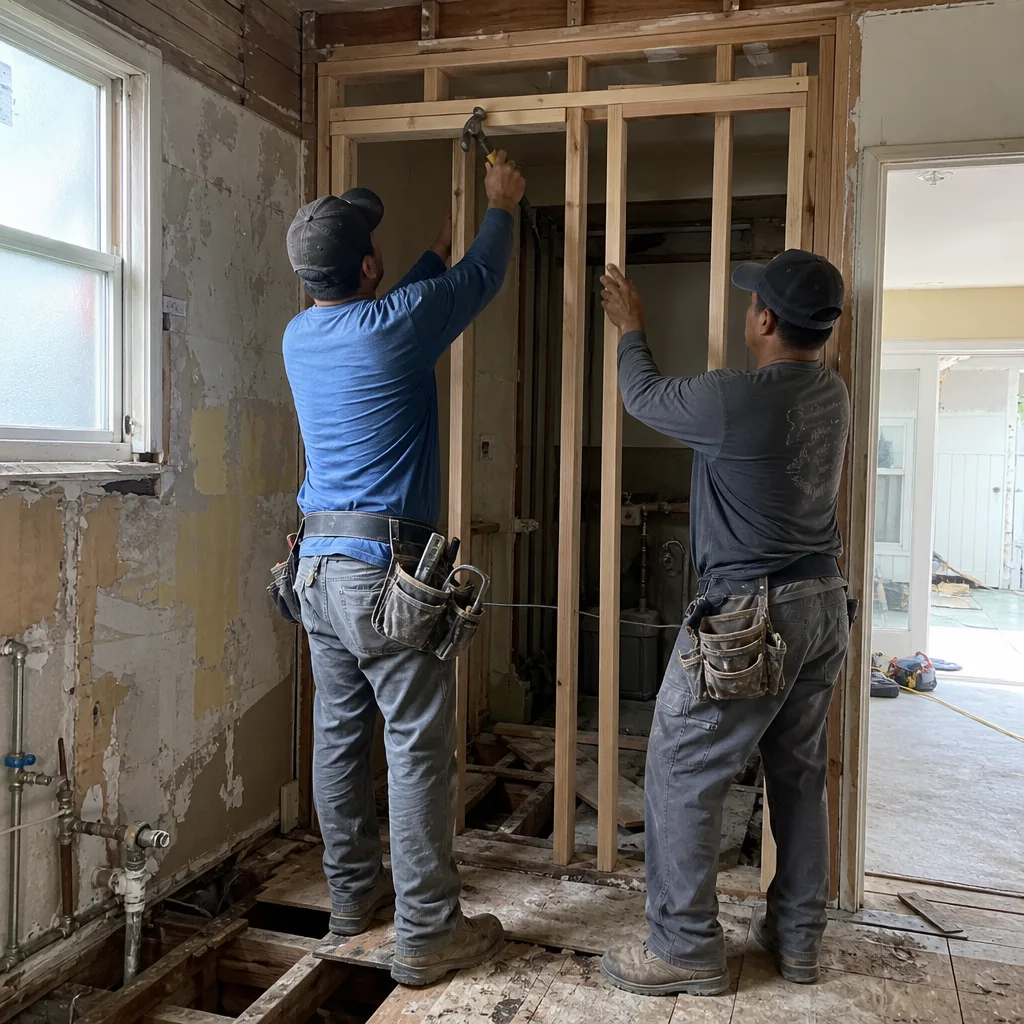
“Can you give me three references?” Every contractor has three happy customers ready to answer. The useful question is which three, and what to ask them.
Request references from projects completed 12-24 months ago, not last month. Fresh projects haven’t weathered a Miami summer, haven’t had the grout crack, haven’t tested whether the contractor returns calls after final payment. Ask for:
- A project similar in scope to yours (kitchen remodel, not “any job”)
- A project in your area or building type (high-rise condo in Brickell, single-family in Palmetto Bay, historic home in Coral Gables)
- A project where something went wrong, and how it was resolved
Questions that reveal more than “Were you satisfied?”:
- “Did the final cost stay within 5% of the written quote? If not, what changed?”
- “How many change orders did you sign, and were they all in writing before the work started?”
- “Did you receive photo documentation of each phase?”
- “When you called with a question six months later, who answered and how fast?”
- “Would you hire them again for a different project?”
We provide references by project type and neighborhood - bathroom remodeling in Miami Beach, roofing in Pinecrest, ADU in Little Havana - because a customer researching a specific scope wants relevant data. We also provide the contact for our most recent warranty call, not our most glowing review. The Haven Standard measures performance by what happens after the crew leaves, not before.
Common Mistakes to Avoid
- Skipping the DBPR check because “my neighbor used them.” Referrals validate customer service, not license status. A contractor who was licensed in 2019 may have let it lapse in 2023. Verify every time.
- Accepting a COI from the contractor without calling the agency. Forged certificates exist. The 90-second phone call to the agent listed on the certificate eliminates this risk entirely.
- Paying more than the legal deposit. Florida’s 10%/$1,000 cap protects you. Contractors who demand 25% or 50% upfront are either undercapitalized or planning to use your funds to finish someone else’s job.
- Ignoring the Notice to Owner process. In Miami’s high-volume market, material suppliers you’ve never met can file liens if the GC doesn’t pay. The NTO log tells you who has rights against your property.
- Comparing lump-sum bids without line-item detail. The lowest lump sum often excludes permits, disposal, or code-required upgrades. Line-item comparison is the only honest method.
- Not specifying hurricane-rated products in the contract. Miami-Dade’s HVHZ requirements are non-negotiable. A bid that doesn’t specify impact-rated windows or HVHZ-approved roofing is incomplete, not competitive.
- Hiring unregistered Miami-Dade contractors for permitted work. Unregistered contractors cannot pull permits. If they promise to “handle it,” they’re likely using another company’s license - illegal, and voids your permit if discovered.
When to Call a Professional
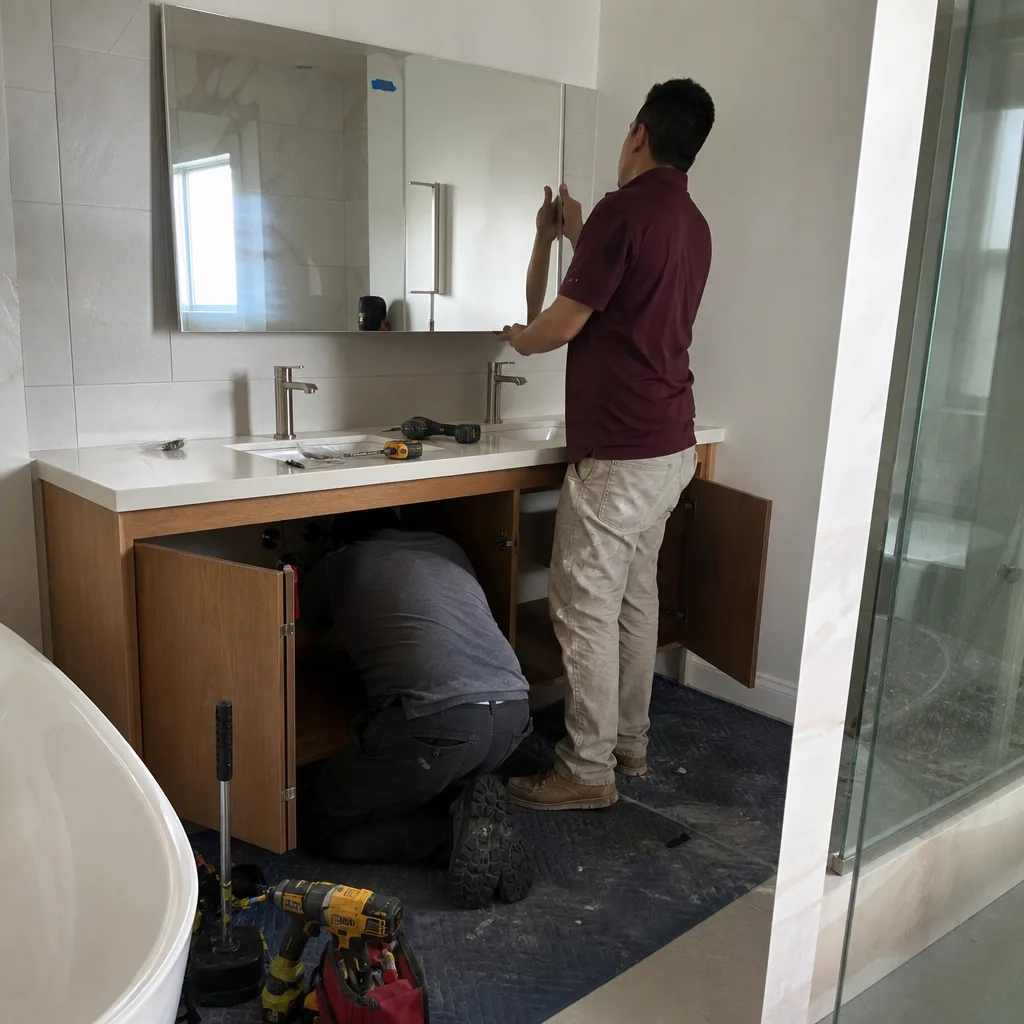
Some projects in Miami require a licensed contractor by law: any structural work, electrical panel upgrades, plumbing rerouting, roofing over 100 square feet, and any project exceeding $2,500 total cost. DIY on these risks permit denial, insurance voidance, and personal liability for injuries.
Even for smaller projects, call a professional when you encounter aluminum wiring in a 1970s Miami home, cast-iron plumbing in a Coral Gables historic property, or roof decking compromised by hurricane moisture intrusion. These conditions require diagnostic skill and code knowledge that YouTube tutorials don’t provide.
Rowan Construction Group Miami offers free estimates across seven trades - kitchen remodeling, bathroom remodeling, roofing, windows and doors, fence installation, driveway and pavers, and home additions including ADUs. Every estimate includes a written price, written scope, and documented photo record. Call (786) 321-4970 to schedule yours.
Frequently Asked Questions
General contractor fees in Miami typically run 15-25% of total project cost for new construction, or 20-30% for renovations with complex coordination. A $75,000 kitchen remodel in Miami carries a GC fee of $15,000-$22,500, which includes permit management, inspection attendance, subcontractor coordination, and warranty administration. This is separate from materials and trade labor. Call (786) 321-4970 for a written line-item quote on your specific project - estimates are free.
A Certified General Contractor (CGC) or Certified Building Contractor (CBC) license from Florida DBPR is required for most residential construction in Miami. CGCs can build any structure statewide; CBCs are limited to buildings under four stories. Roofing-only contractors need a Division II Roofing license, which does not qualify them for kitchen or addition work. Always verify the license type matches your project scope at myfloridalicense.com.
Request a Certificate of Insurance directly from the contractor, then call the insurance agency listed on it to confirm active coverage. Verify the contractor’s exact business name appears as “Named Insured,” the policy covers your project type, general liability is at least $1 million per occurrence, and workers’ compensation is included. For projects over $100,000, request an umbrella policy. Never accept a COI without confirming it with the agency.
A Florida-compliant construction contract must include: the contractor’s license number on page one; start and completion dates; a description of work and materials with sufficient detail to identify scope; a deposit no greater than 10% or $1,000 (whichever is less); written change-order language requiring signatures; and the statutory Notice of Lien Rights. Missing any of these elements violates Florida Statute 489.126 and signals a contractor who either doesn’t know the law or doesn’t follow it.
The price should not change for the scope specified in the signed contract. Changes occur only through written, signed change orders for owner-requested modifications or concealed conditions discovered after demolition - rotted framing behind drywall, for example, or aluminum wiring requiring full replacement. At Rowan Construction Group Miami, no change proceeds without a signed change order, and concealed conditions are documented with photos before pricing. This discipline has kept our projects within a few percent of the agreed price across 4,000-plus jobs. Call (786) 321-4970 for a fixed-price written quote.
Yes. Miami-Dade County requires permits for any structural, electrical, plumbing, or mechanical work in a kitchen remodel. Even cabinet replacement without layout changes may trigger electrical permit requirements if outlets are relocated or circuits added. Coral Gables, Pinecrest, and Miami Beach have additional local review processes for historic or aesthetic compliance. A licensed contractor pulls these permits as part of project management; unpermitted work must be disclosed on sale and can trigger insurance issues.
The Bottom Line
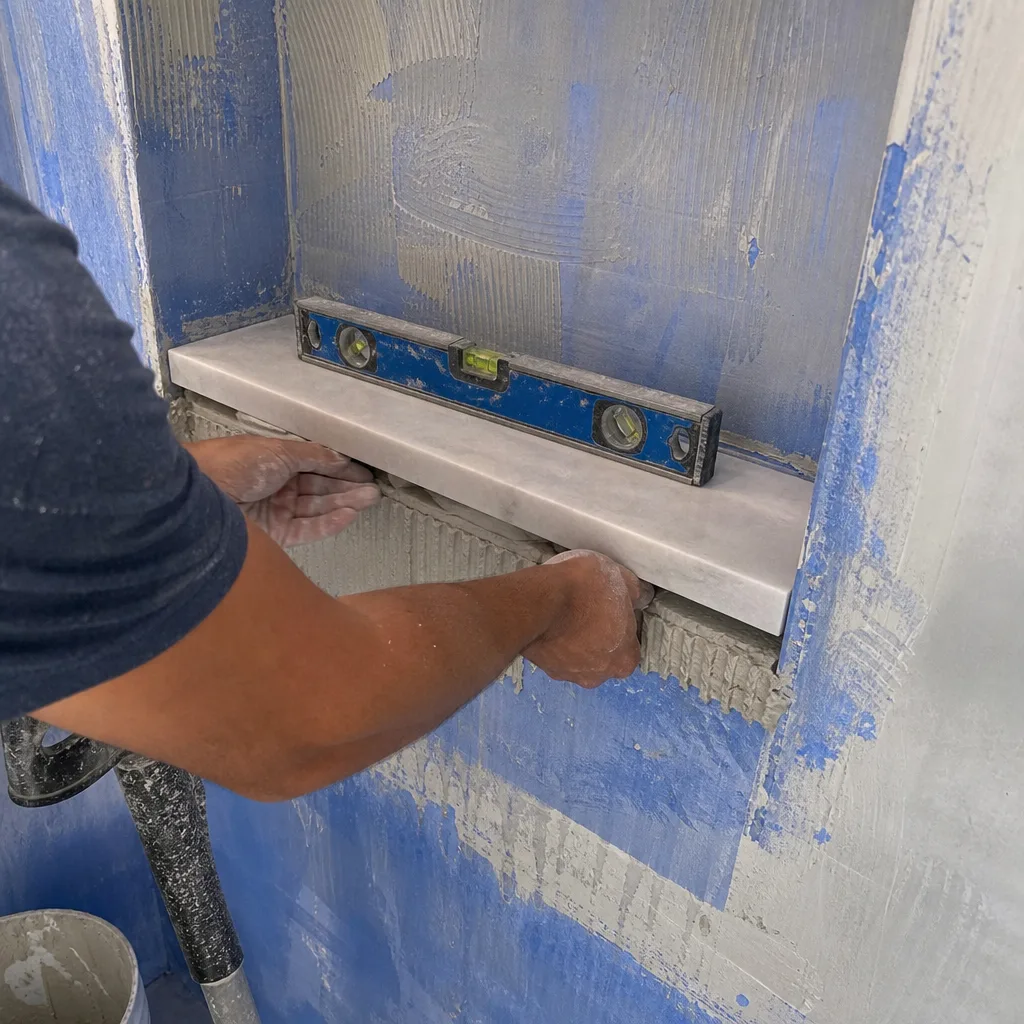
Hiring a contractor in Miami is a document-verification process before it’s a conversation. The DBPR license lookup, the insurance certificate confirmation, the contract clause check, and the lien waiver system - these four steps take less time than most homeowners spend reading reviews, and they protect more than any five-star rating. In a market with Miami’s costs, code complexity, and subcontractor density, the homeowners who verify before they sign are the ones whose projects finish on scope, on budget, and with clean title. The ones who skip it join the complaint statistics.
Written by Grant Rowan, Owner at Rowan Construction Group Miami, serving Miami since 2007.