
Last updated September 22, 2026
Free written scope consultation - allowances, timeline, and change-order rules on paper before a single trade is scheduled
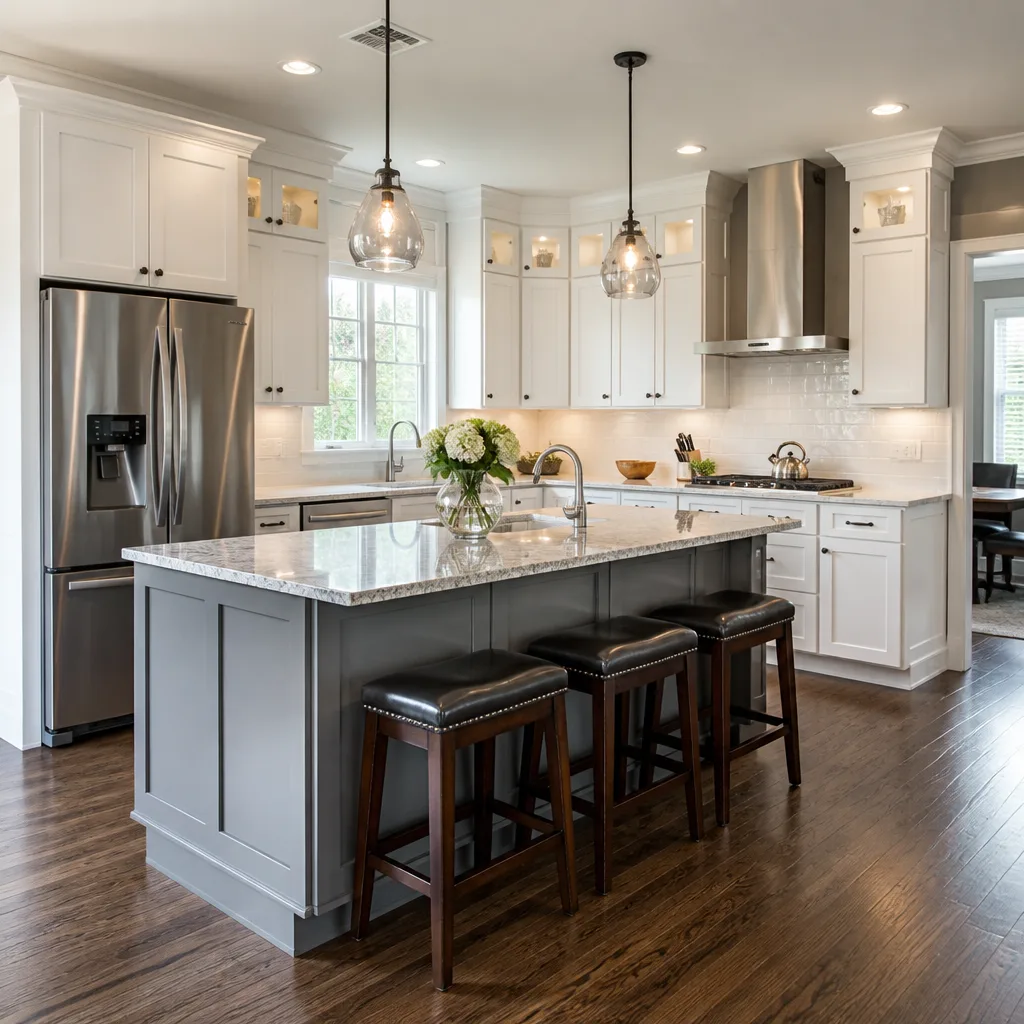
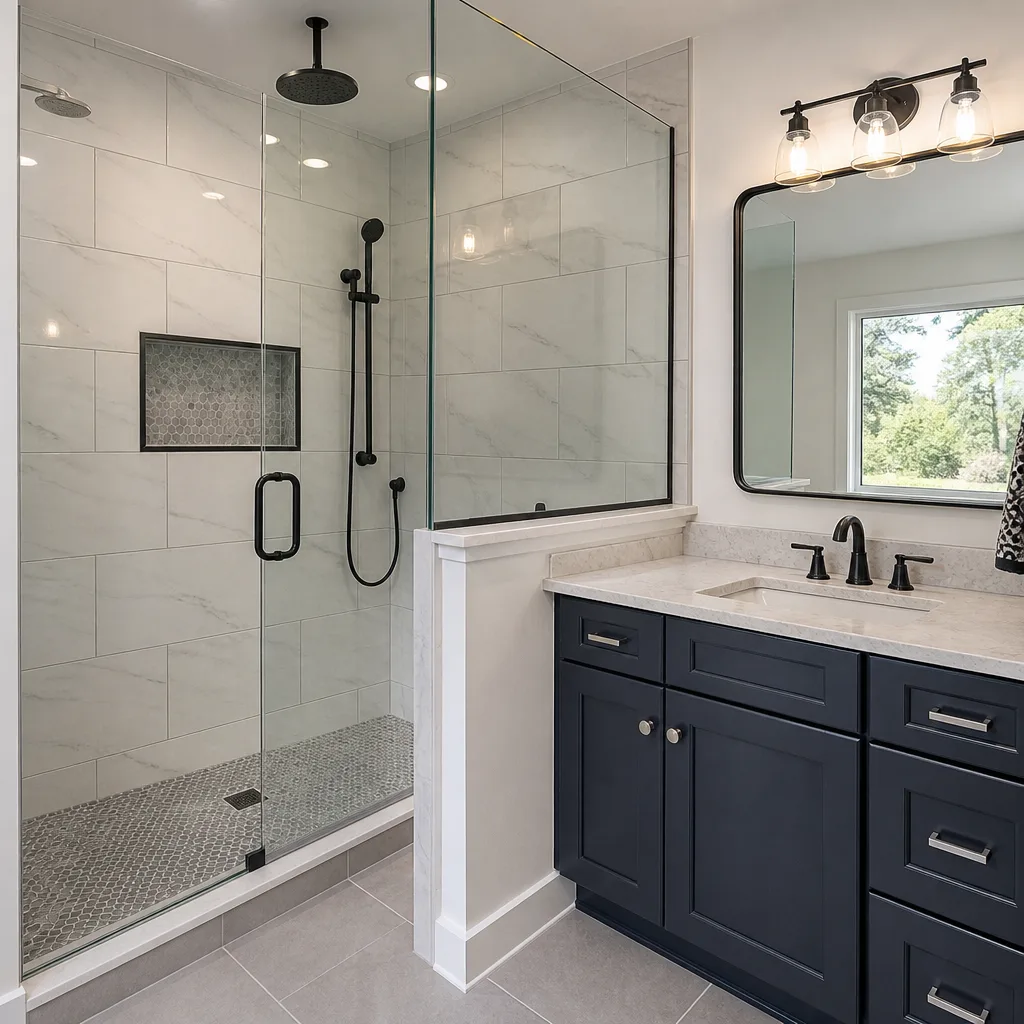
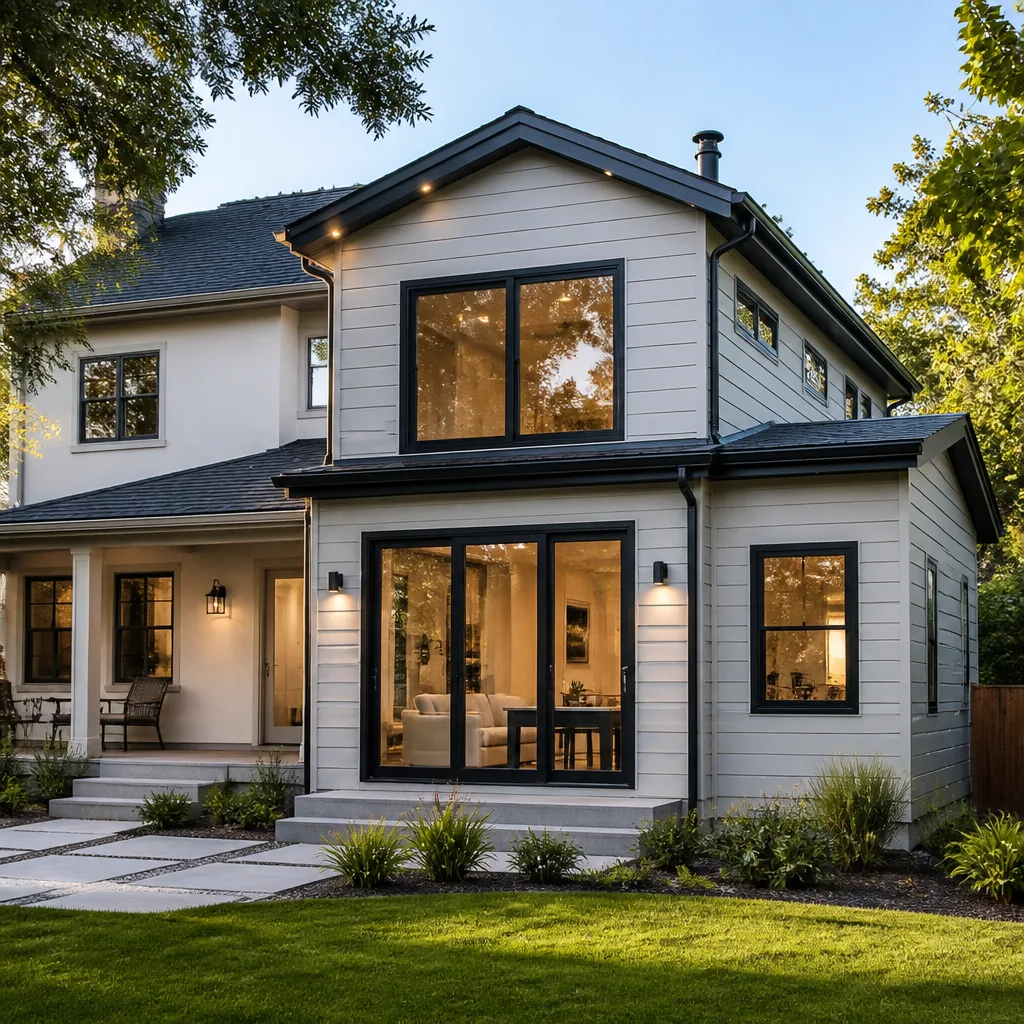
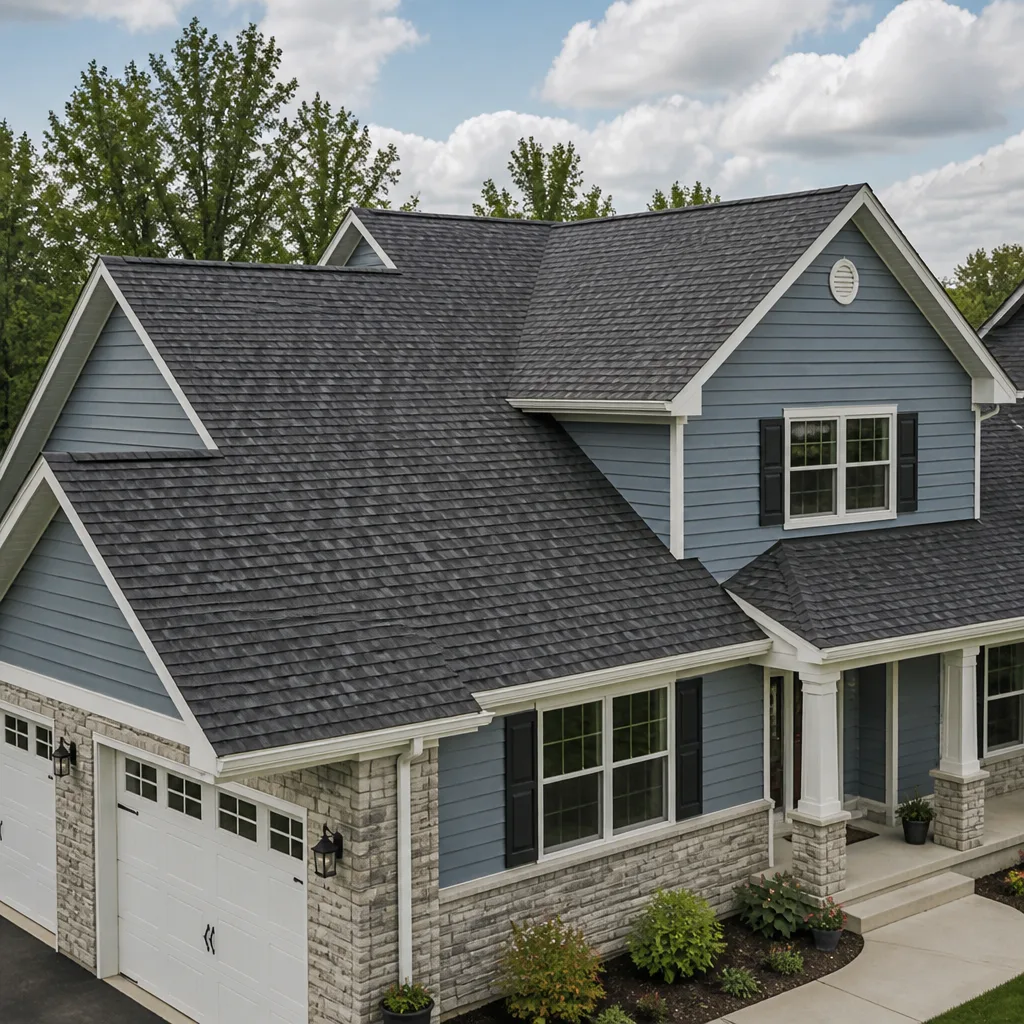
 Before
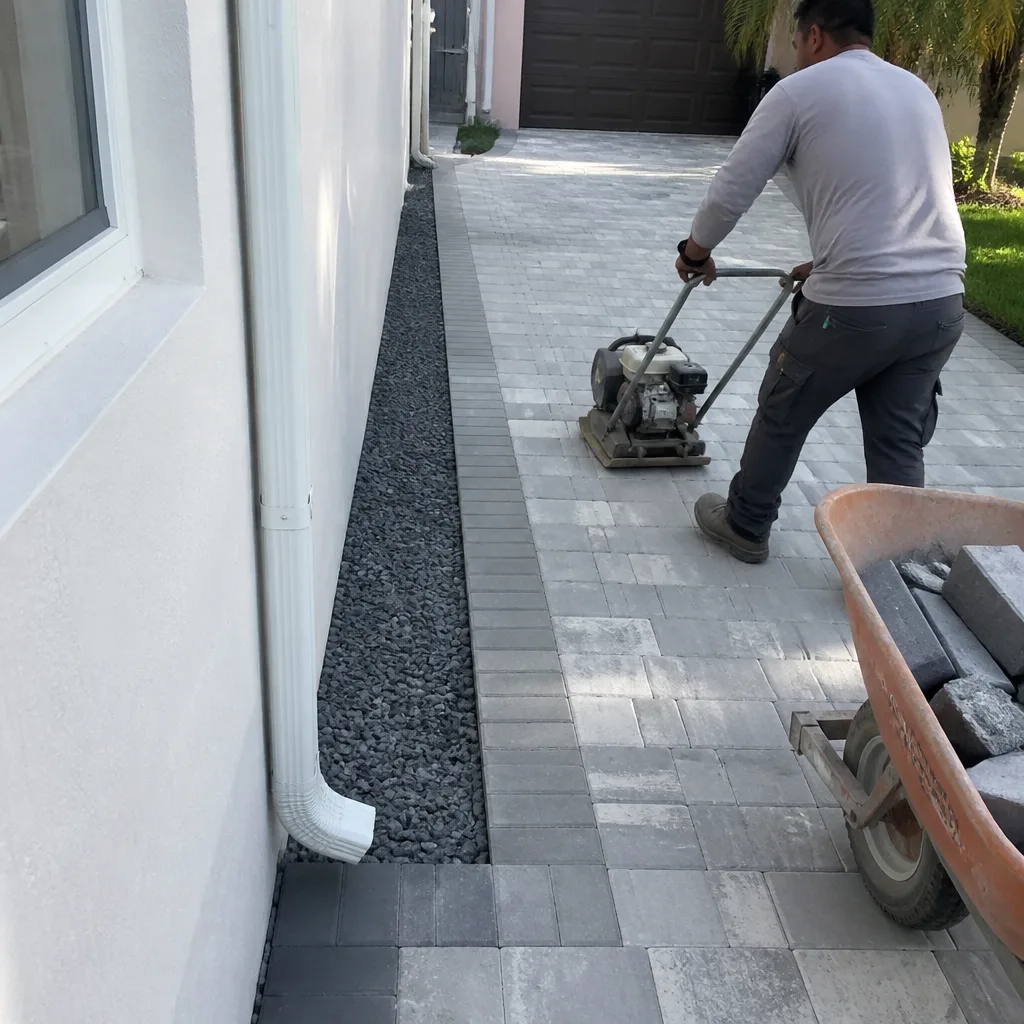 After
After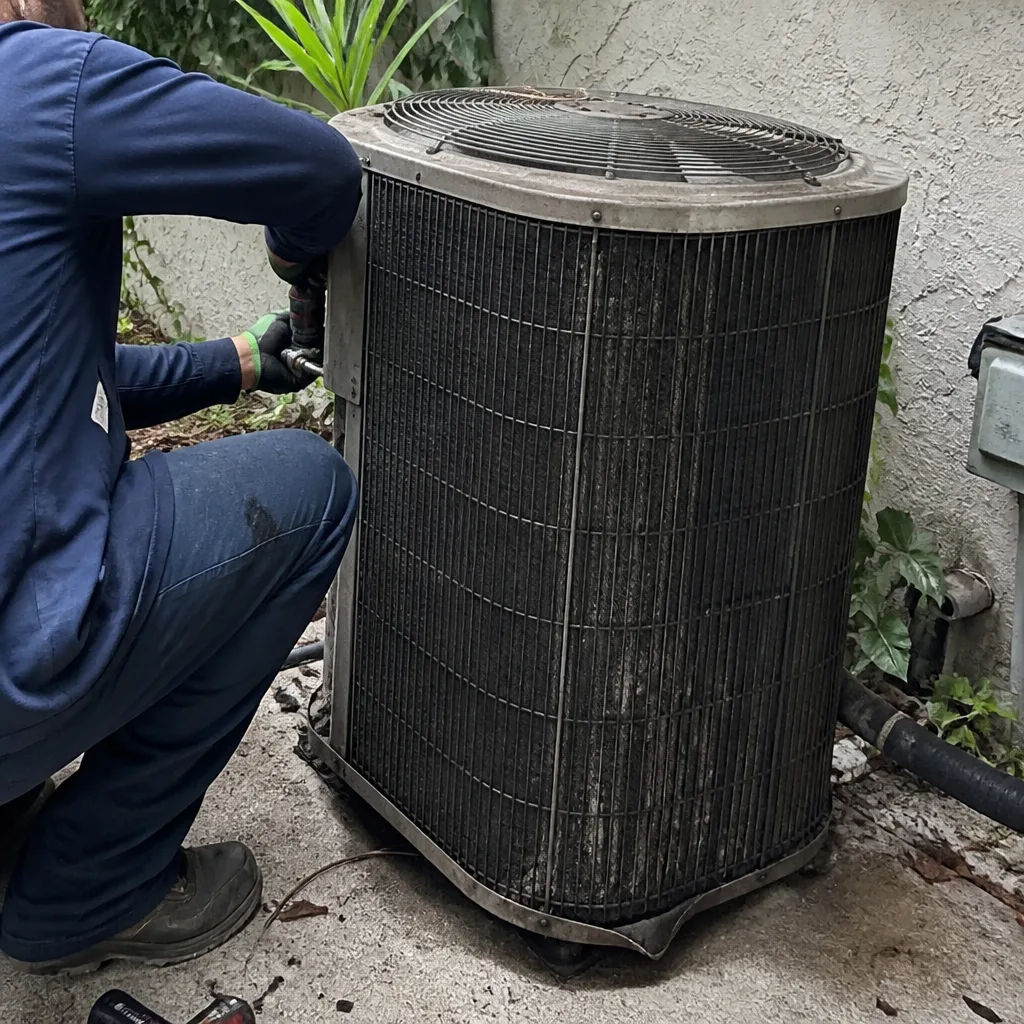 Before
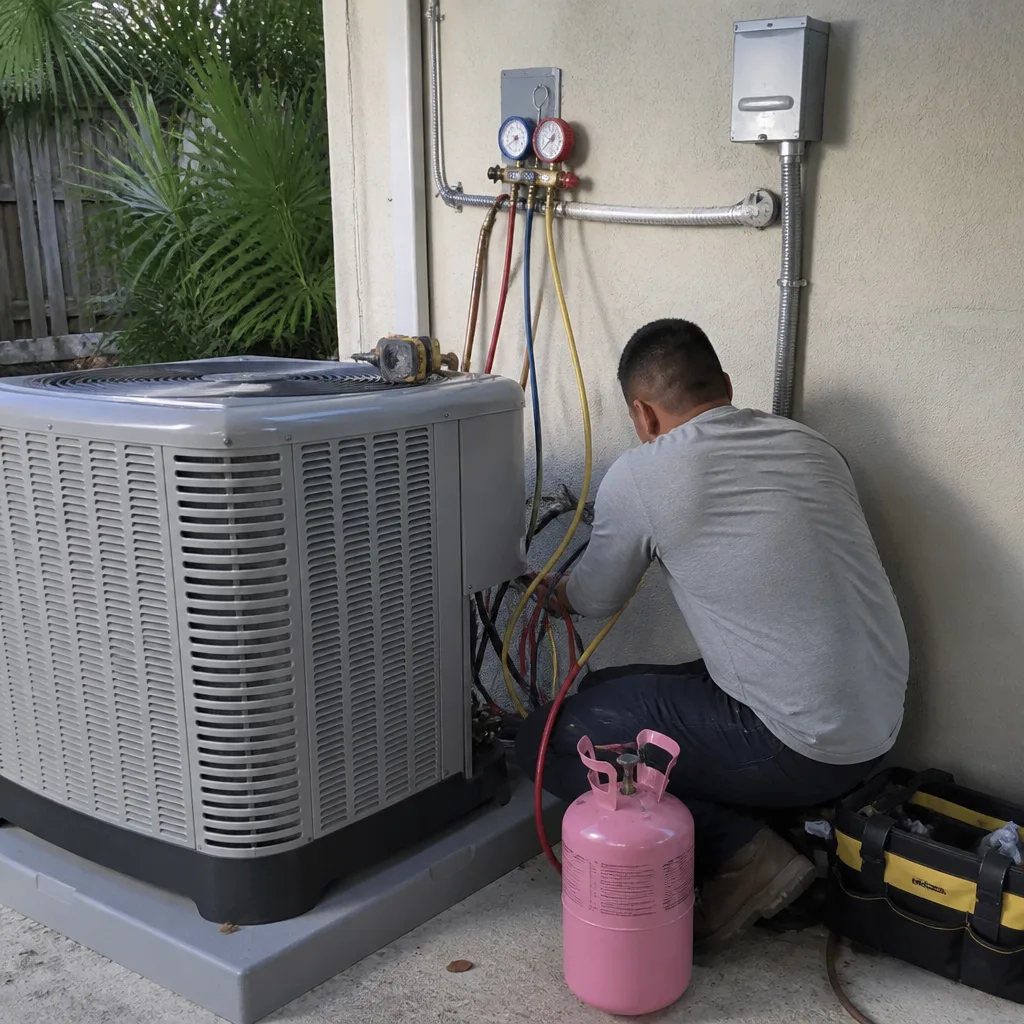 After
After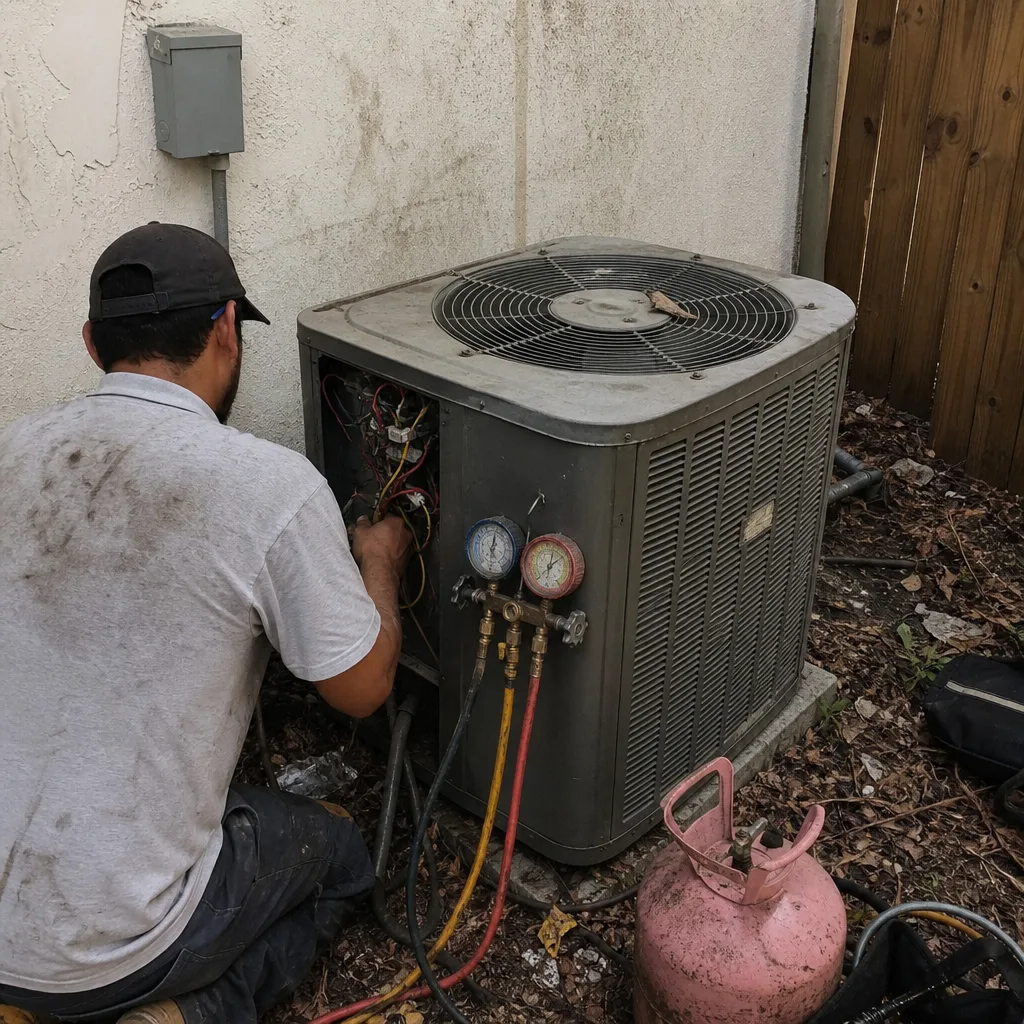 Before
 After
AfterSeasonal Construction Care for Miami: Year-Round Homeowner’s Guide
Miami receives an average of 61 inches of rain per year - nearly double the US average - concentrated in a five-month window. That concentration changes everything about how a homeowner should think about maintenance. A roof fastener or caulk joint that was fine in April is a leak source by July if it wasn’t inspected in May. In this guide, you’ll learn why Miami’s three true seasons - dry, wet, and hurricane - demand a calendar-driven maintenance sequence that looks nothing like the spring/fall checklists written for temperate climates. We’ll cover the specific inspections that belong in each window, the materials and methods that hold up here, and how to document what you find so it supports your insurance claim or contractor warranty when you need it.
Quick Answer
Miami homeowners should organize construction maintenance around three seasons, not four: the dry season (November-April) for exterior painting, concrete repairs, and roof replacements; the wet season (May-October) for drainage inspections and interior moisture control; and hurricane season (June-November) for a focused May pre-season inspection of seven critical failure points. Each season stresses different parts of the building envelope, and timing the work correctly prevents the premature failures we see when homeowners apply generic maintenance schedules to South Florida’s climate.
Table of Contents
- The Dry Season: November-April (Your Construction Window)
- The Wet Season: May-October (Drainage and Moisture Defense)
- Hurricane Season: The May Pre-Season Inspection Checklist
- Post-Storm Inspection: What to Check Even When There’s No Visible Damage
- Salt Air Maintenance for Coastal Properties
- Documenting Inspections for Insurance and Warranty Claims
- Miami-Specific Material and Code Considerations
- Common Mistakes to Avoid
- When to Call a Professional
- Frequently Asked Questions
- The Bottom Line
BeforeAfterThe Dry Season: November-April (Your Construction Window)
This is the only reliable window for exterior work in Miami. Relative humidity drops from summer peaks above 85% to winter averages near 70%, and afternoon rain becomes occasional rather than daily. That shift matters enormously for material performance.
Exterior painting and caulking done in August often fails within 18 months. The culprit is moisture cure inhibition: latex and acrylic coatings need surface moisture to evaporate during curing. When ambient humidity stays above 80% and substrate temperatures exceed 90°F, the surface skin cures while the underlying film remains soft. By November, that trapped moisture causes blistering, peeling, or alligator cracking. We’ve stripped and re-coated dozens of Miami facades where homeowners paid for summer painting to “get it done before the holidays” and wound up paying again by spring.
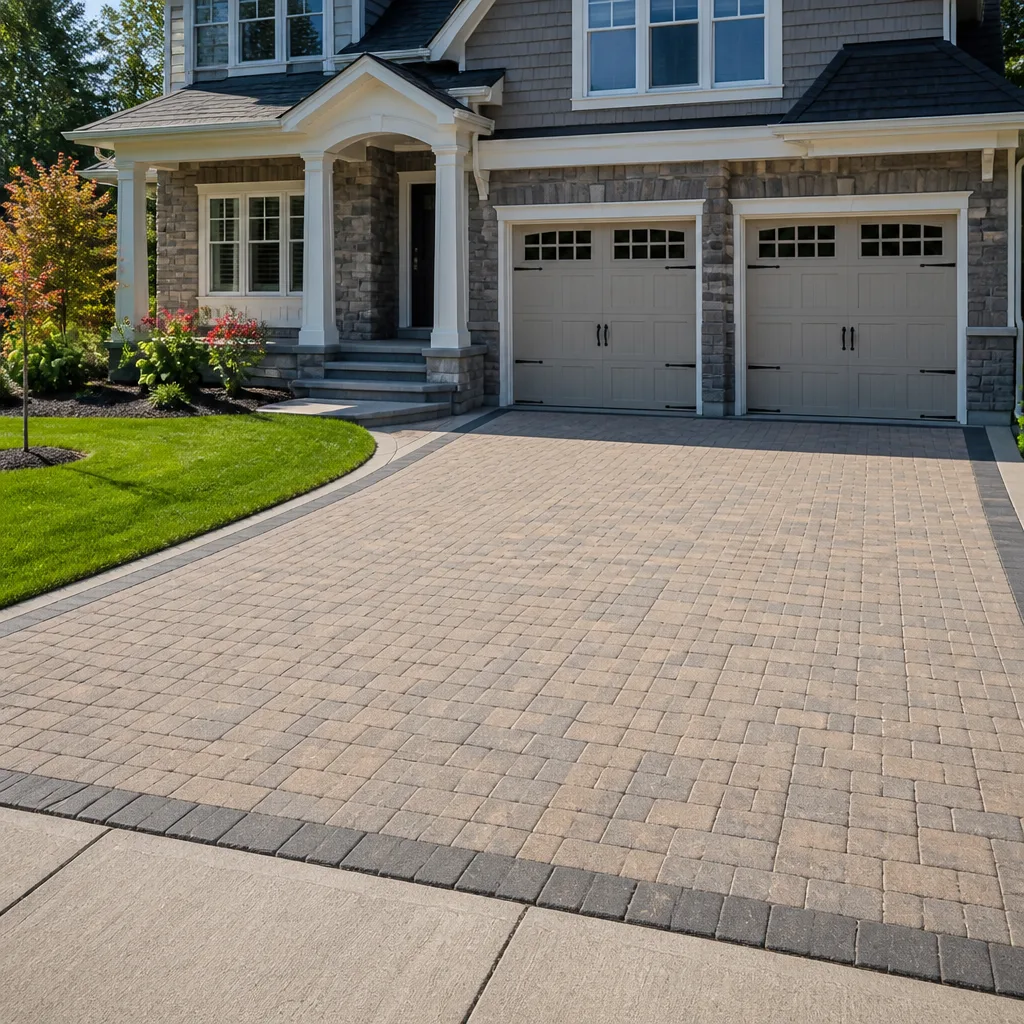
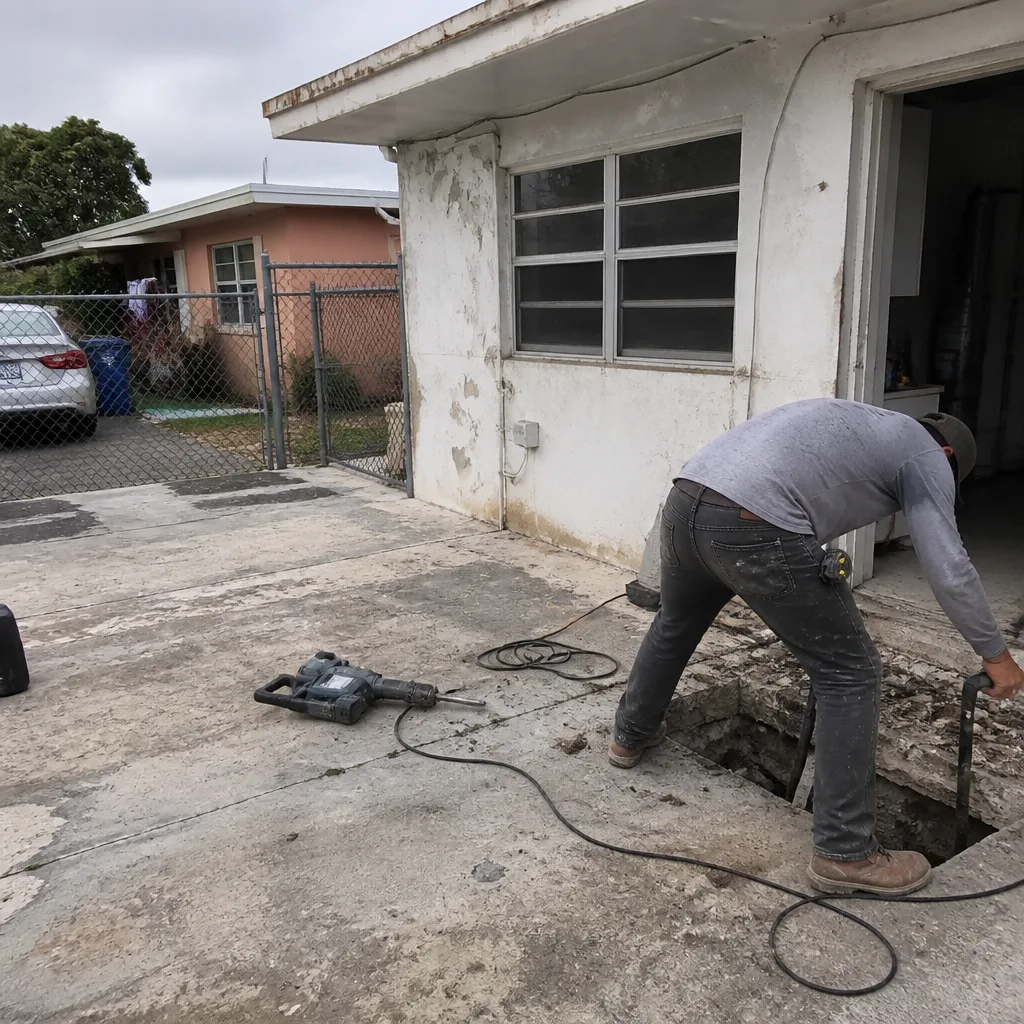
The dry season is also the correct window for concrete repairs and paver resealing. Concrete patch compounds and epoxy injection resins achieve design strength only when cured below specific moisture thresholds. In Miami’s summer, a standard 24-hour cure can extend to 72 hours with compromised final strength. For driveway and paver work, we schedule Belgard and Techo-Bloc installations between December and March, with expansion joint sealing in January and February when overnight lows occasionally dip below 60°F - the ideal range for polyurethane sealants.
Roof replacements and major repairs belong here too. Shingle sealant strips activate with solar heat, and Miami’s winter sun is sufficient without the summer risk of sudden downpours on an open deck. For tile roofs, the underlayment - typically a self-adhering membrane - requires a dry substrate and 24-48 hours without rain to achieve full bond. GAF and Owens Corning both specify installation at ambient temperatures above 45°F; Miami’s winter lows rarely threaten that threshold, while summer thunderstorms threaten every open roof.
Dry season priorities:
- Exterior painting: schedule for December-February, with color coats after a 48-hour forecast of no rain
- Concrete crack repair and spall patching: November-January for optimal cure strength
- Roof replacement or major repair: December-March, with membrane work in the driest weeks
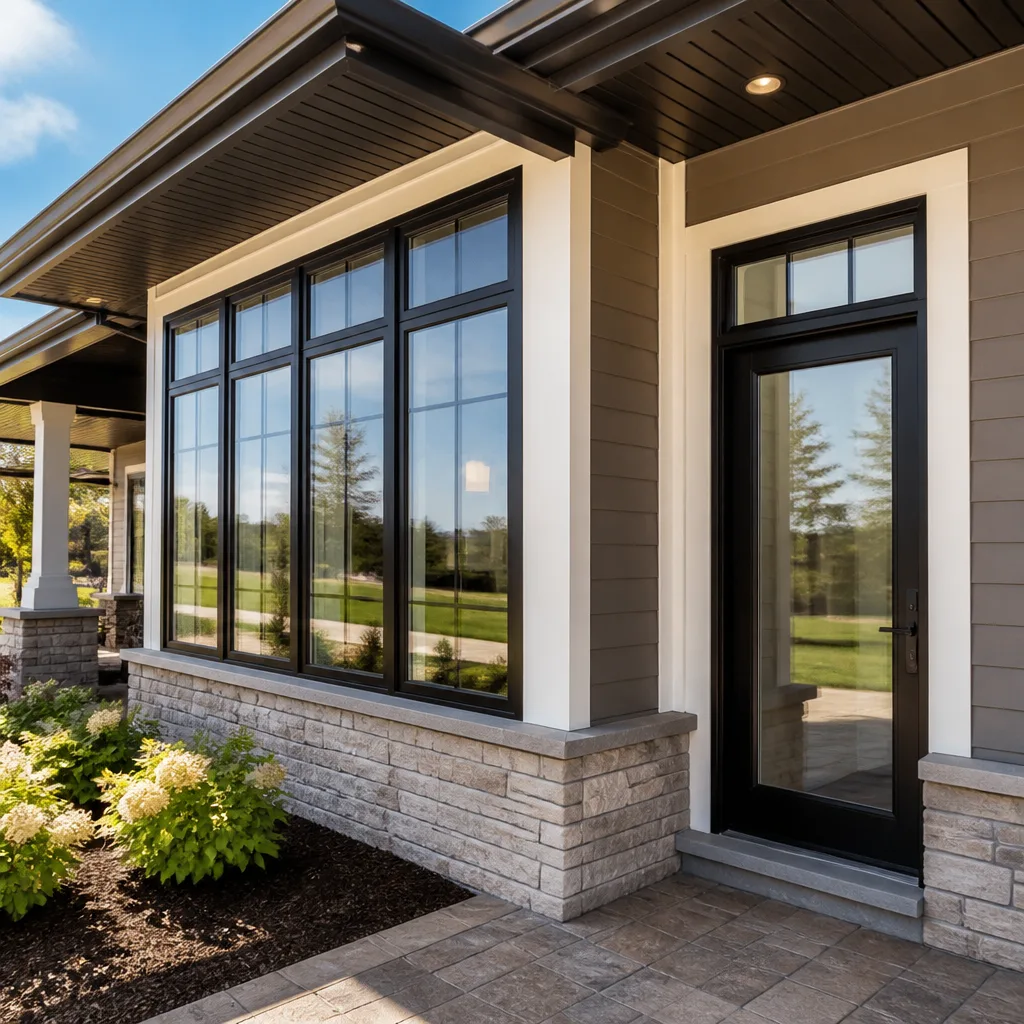
- Window and door replacement: January-March, when caulking achieves full adhesion before the first summer storm
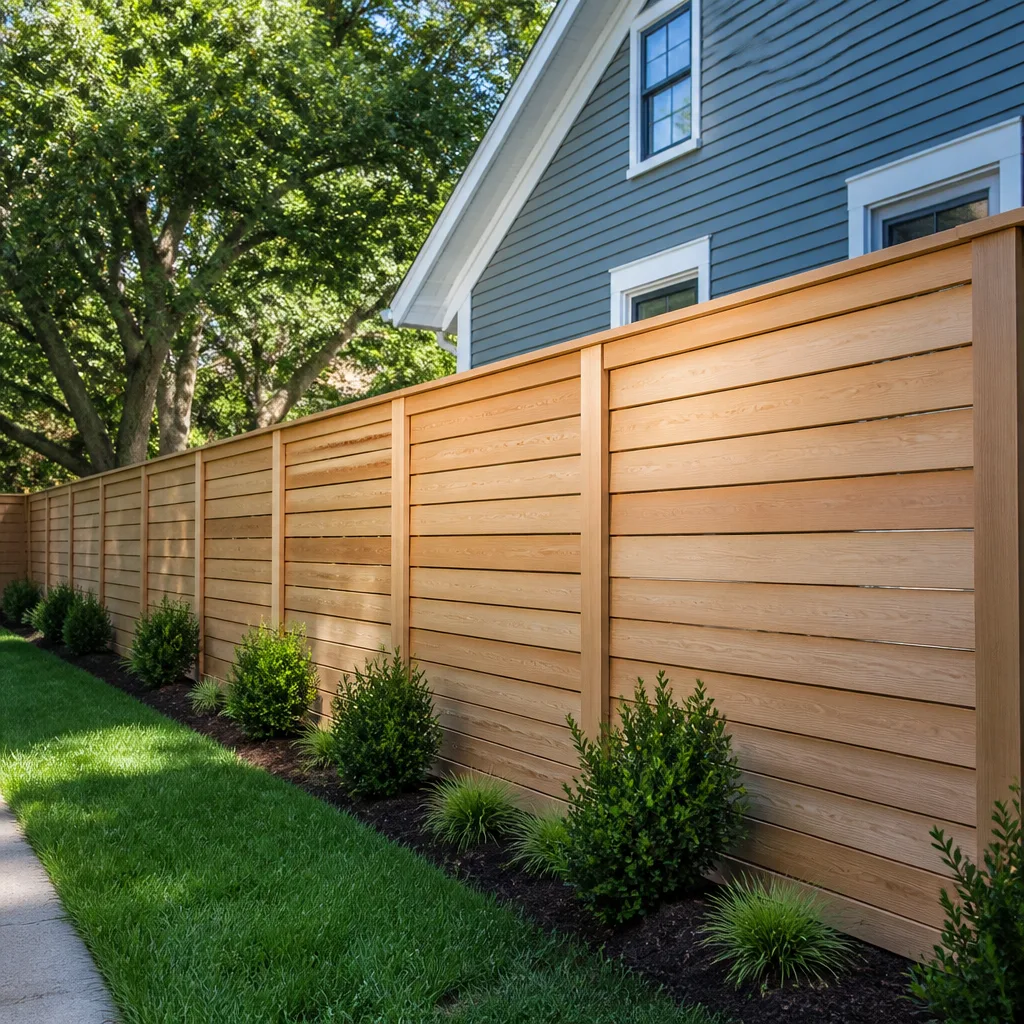
- Fence installation and sealing: February-April, allowing pressure-treated lumber to dry before stain application
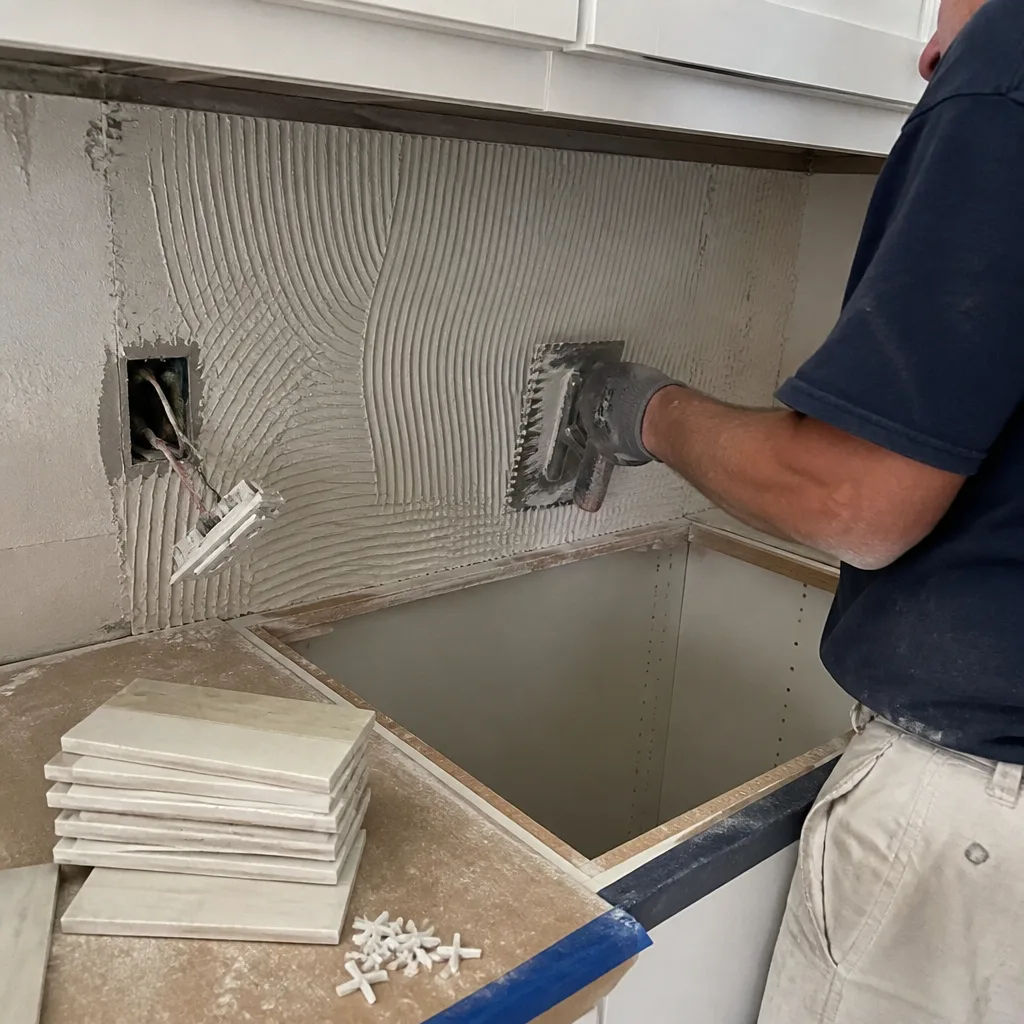
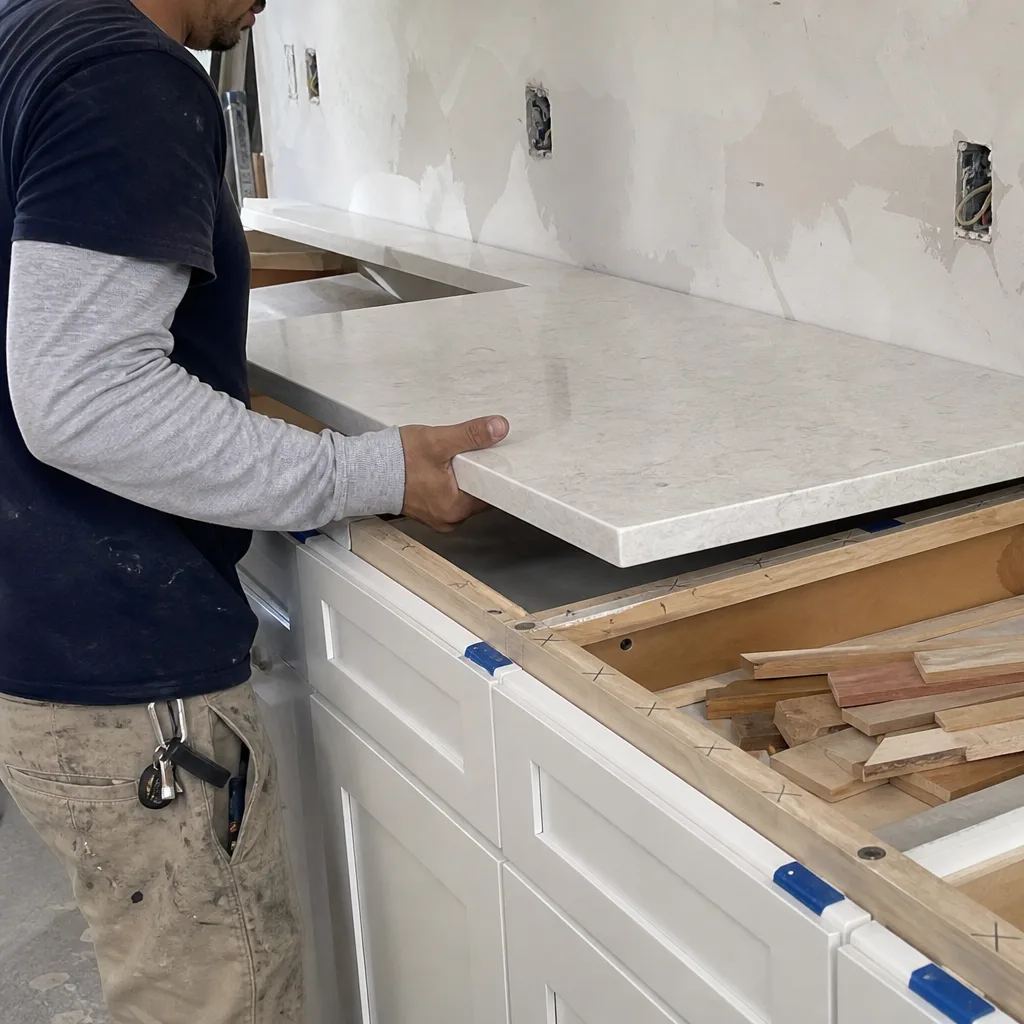
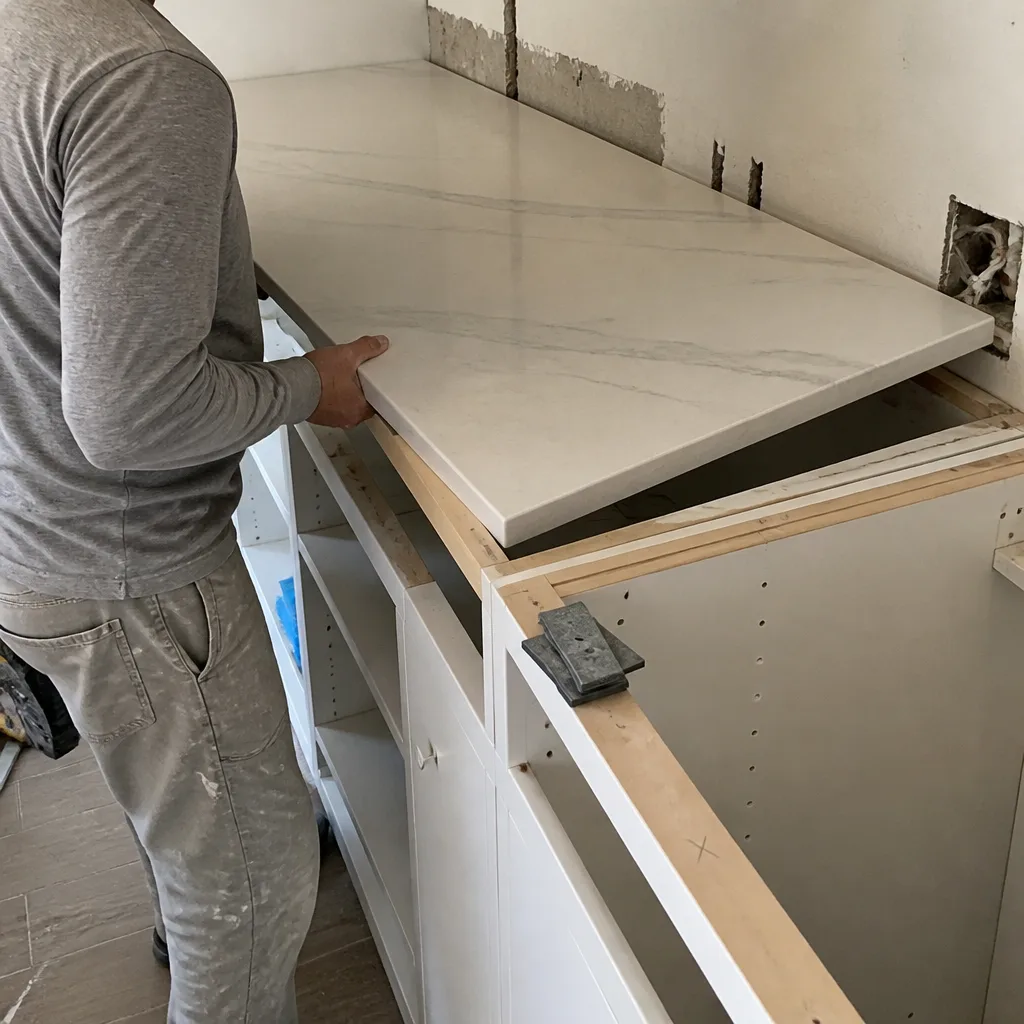
Interior work - kitchen remodeling in Miami, bathroom remodeling in Miami, and home additions - can proceed year-round, but the dry season offers advantages. Cabinetry from KraftMaid or Wellborn, and countertops in Cambria or Silestone, acclimate more predictably when indoor humidity is stable. We’ve measured 1/8-inch expansion in solid wood cabinet faces between January installation and August peak humidity - enough to misalign drawer glides if the material wasn’t allowed to stabilize.
The Wet Season: May-October (Drainage and Moisture Defense)
From May through October, Miami averages 45 of its 61 annual inches. The work shifts from construction to defense - specifically, keeping water where it belongs.
French drain flow rate testing belongs at the start of this season, not after a flood. A drain that handled 2 inches per hour in March may manage half that by July if roots have infiltrated the perforated pipe or if the gravel bed has silted. We test with a measured water volume at the collection point and time the discharge at the daylighted outlet. In Coral Gables and Pinecrest, where lot elevations often direct water toward the foundation rather than away, a failed French drain shows up first as efflorescence on basement walls, then as slab moisture, then as mold. The test takes 30 minutes; the repair, if deferred, can reach five figures.
Flat roof drain clearance is weekly maintenance during peak season, not annual. A single clogged strainer on a 1,500-square-foot roof creates a ponding area that adds structural load and accelerates membrane degradation. For TPO and modified bitumen roofs, we clear drains before every named storm and after every significant leaf drop. The cost of clearing is negligible; the cost of replacing saturated insulation and deck sheathing after a drain backup is not.
Interior moisture control during the wet season means checking that your HVAC’s latent capacity matches the load. Miami homes built before 2010 often have systems sized for sensible cooling (temperature reduction) with inadequate dehumidification. The result is 75°F and 65% relative humidity - comfortable by thermostat, miserable by dew point, and destructive to trim, cabinets, and flooring. We recommend standalone dehumidification or HVAC replacement with variable-speed equipment that maintains 50-55% RH regardless of thermostat setpoint. For homes with bathroom remodeling in Miami completed in recent years, verify that exhaust fans achieve the rated CFM - we’ve measured 50 CFN fans delivering 30 due to duct restriction, and that deficit shows up as ceiling stain by October.
Wet season priorities:
- Test French drain flow rate at the season’s start; video the outlet discharge for baseline documentation
- Clear flat roof drains weekly; inspect membrane seams for ponding indicators
- Verify HVAC dehumidification capacity; target 50-55% indoor relative humidity
- Inspect window and door weatherstripping after the first major storm; replace compressed or displaced seals
- Check garage door threshold seal and bottom rubber; wet-season intrusion accelerates slab corrosion
Hurricane Season: The May Pre-Season Inspection Checklist
Hurricane season officially runs June 1 through November 30, but the critical work happens in May. By June 1, every fastener should be inspected, every drain cleared, and every connection verified. This is not the time for repairs; it’s the time for confirmation that repairs made during the dry season held.
We focus on seven failure points that account for the majority of hurricane-related construction damage we see in Miami:
1. Roof-to-wall connections
Truss uplift during a wind event separates the roof structure from the top plate if the connection is inadequate. In pre-1992 construction, toenails or simple hurricane clips may not meet current Miami-Dade code. We inspect for clip type, fastener count, and corrosion. A proper connection uses a minimum two 16d nails or equivalent Simpson Strong-Tie hardware with ring-shank nails. If you don’t know what your roof has, May is when you find out.
2. Impact window hardware
Impact-rated glass is worthless if the frame attachment fails. We check that anchoring screws penetrate the structural framing, not just the trim, and that multipoint locking mechanisms engage fully. In high-rise construction and single-story alike, we’ve found windows “secured” with 2-inch screws into 1-inch furring - a failure waiting for 120 mph.
3. Garage door bracing
Garage doors are the largest opening in most residential envelopes and the most common failure point in hurricane wind fields. We verify that post-1994 installations have the required vertical reinforcement and that the track mounting attaches to structural framing, not just drywall or fascia. For older doors, we recommend retrofit bracing or replacement with a wind-rated model. The pressure differential across a failed garage door can lift the roof structure from within.
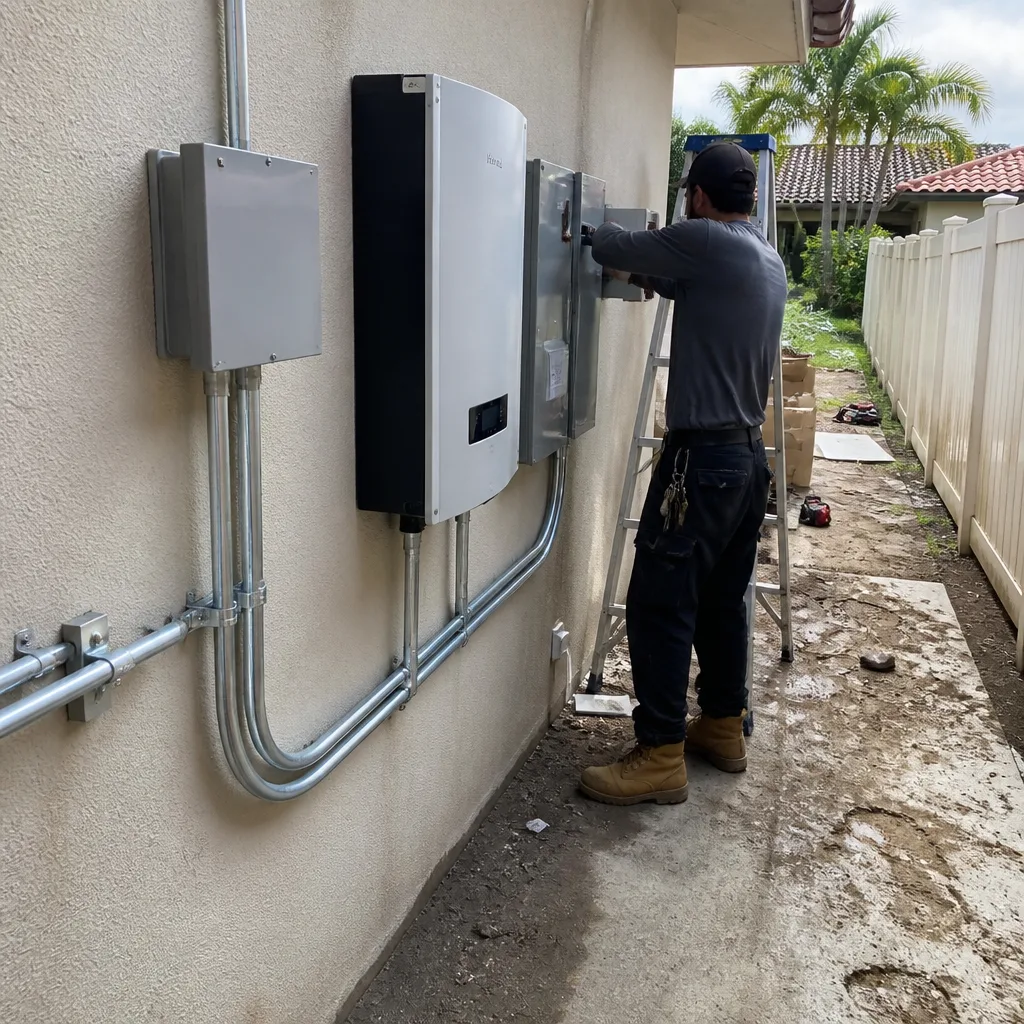
4. Generator transfer switch
Not strictly construction, but critical to post-storm habitability. We verify proper installation, grounding, and interlock function. A transfer switch installed without permit or inspection is a fire hazard and an insurance exclusion.
5. Soffit panel fasteners
Soffit loss creates internal pressurization that multiplies roof uplift forces. We inspect that vinyl or aluminum soffit panels are secured with corrosion-resistant fasteners at 6-inch spacing, not the 12-inch spacing common in original construction. In Miami’s salt air, even “corrosion-resistant” fasteners degrade; we replace any with visible oxidation.
6. French drain flow rate
As noted in wet season maintenance, but critical enough to verify twice. A hurricane’s sustained rainfall - 10 inches in 24 hours is common - overwhelms a partially compromised drain. Test in May, and test again if any excavation or landscaping occurred during the dry season.
7. Flat roof drain clearance
Again, critical enough to repeat. A flat roof with blocked drains during a hurricane becomes a swimming pool with structural load measured in tons. Clear, test, and document.
Under Clause 1 of the Haven Standard, we provide a written inspection report with photo documentation for every May pre-season review. The customer receives evidence of what was found, what was recommended, and what was done - not a checklist with checkmarks.
Post-Storm Inspection: What to Check Even When There’s No Visible Damage
After a named storm passes, most Miami homeowners look for missing shingles, downed fences, or visible water intrusion. The damage that costs the most is often invisible on day one and manifests months later as chronic moisture problems, mold, or structural degradation.
Soffit uplift occurs when wind pressure partially detaches soffit panels without removing them. The panels appear intact from the ground but no longer seal the eave, creating a path for wind-driven rain into the attic. We inspect from a ladder, checking for fastener withdrawal, panel deflection, and gaps at the fascia junction. In our experience across Miami, soffit uplift is present in 30-40% of homes after a Category 1 or greater storm, and undetected in 90% of those cases.
Ridge cap displacement is similarly subtle. The ridge cap shingles or tiles may appear seated but have lost adhesive bond or mechanical attachment. The next wind event lifts them completely; the intervening rain infiltrates at the ridge, the highest and least detectable point of the roof assembly. We inspect ridge lines with binoculars from multiple angles and by physical test where accessible.
Flashing separation at wall-roof intersections, chimney shoulders, and vent penetrations is the most common delayed-leak source we encounter. Thermal cycling during a storm - sun to rain to sun - causes differential expansion that separates flashing from substrate. The gap may be 1/16 inch, invisible from the ground, and sufficient to admit gallons of water over a wet season. We probe with a flat tool and verify sealant continuity; silicone and urethane sealants both degrade faster in Miami’s UV and humidity than their rated service life suggests.
Documentation protocol: Photograph every inspection point with date stamp. If damage is found, photograph before any disturbance. This sequence - undisturbed, close-up, context - is what insurance adjusters and warranty administrators need to establish pre-existing condition and causation. Rowan’s standard deliverable includes this documentation; homeowners conducting their own inspections should replicate the format.
Salt Air Maintenance for Coastal Properties
Within one mile of Biscayne Bay or the Atlantic, salt air accelerates corrosion of metal roofing, flashing, fasteners, and hardware by a factor of 3-5 compared to inland Miami. The maintenance interval changes accordingly.
Quarterly maintenance (every three months) for properties within one mile of salt water:
- Inspect all exposed metal for oxidation, pitting, or white corrosion product
- Apply protective treatment to hardware and fasteners
- Check stainless steel for tea staining (surface oxidation that precedes pitting)
- Verify sealant continuity at all metal-to-substrate joints
Semi-annual maintenance (every six months) for properties beyond one mile:
- Same inspections, extended interval based on reduced salt deposition
Products we use and recommend: Boeshield T-9, a paraffin-based formula originally developed for Boeing aircraft, provides 6-12 months protection on hardware in moderate salt exposure. ACF-50, an aviation corrosion compound, offers longer service life on electrical connections and mixed-metal assemblies where galvanic corrosion is a risk. Both are applied as a thin film after cleaning; neither substitutes for damaged or under-specified material.
In Key Biscayne, Miami Beach, and Sunny Isles, we specify 316-grade stainless or silicon bronze fasteners for all exterior hardware, even where 304-grade is code-minimum. The material cost difference is 15-20%; the replacement cost difference, if 304 fails, is 400-600%.
Documenting Inspections for Insurance and Warranty Claims
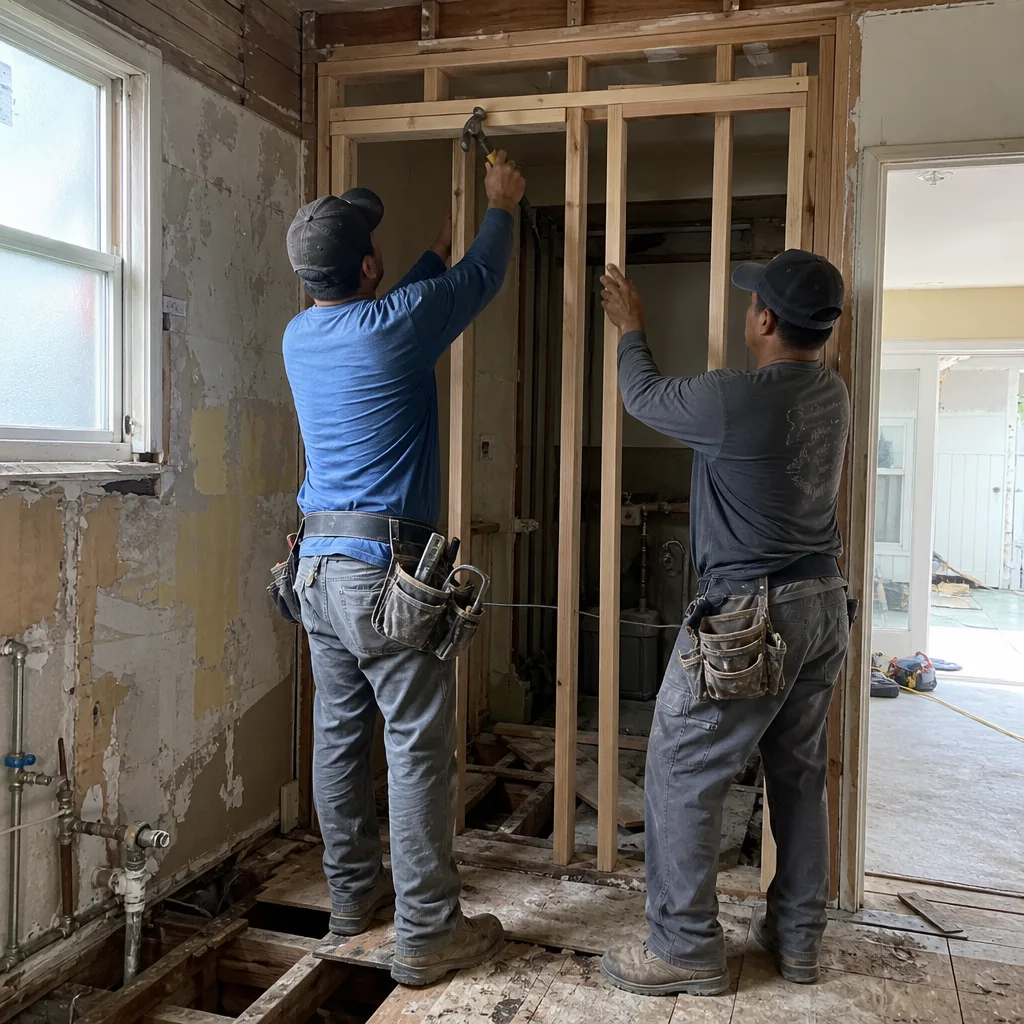
Documentation is not bureaucratic overhead; it’s the difference between a covered claim and a denied one, or between warranty service and “evidence of owner neglect.”
The format that works: Date-stamped photographs, organized by building assembly, with a written observation for each image. Not “roof looks good” but “GAF Timberline HDZ shingles, installed 2019, no visible granule loss, ridge cap adhesive intact, no fastener withdrawal at inspected edges.” Specificity creates evidentiary weight.
Storage protocol: Cloud backup with local redundancy. Insurance companies have questioned the authenticity of phone-stored images; a dated upload to a cloud service with metadata preservation is harder to dispute. We provide our documented photo record through a customer portal with permanent access; homeowners maintaining their own records should use equivalent practices.
Warranty enforcement: Manufacturer warranties on roofing, windows, and coatings require proof of maintenance. A claim on a 30-year shingle warranty after 12 years will be denied if the homeowner cannot demonstrate annual inspection. Our records satisfy this requirement; self-directed homeowners should maintain comparable evidence.
Insurance claims: The standard policy excludes “wear and tear” and “lack of maintenance.” A documented inspection history that identifies and addresses conditions before they become damage establishes that a post-storm leak is sudden and accidental, not deferred maintenance. We’ve supported dozens of Miami homeowners through this process; the ones with documentation receive faster, fuller settlements.
Miami-Specific Material and Code Considerations
Miami-Dade County has the most stringent building code in the continental United States, a direct consequence of Hurricane Andrew. Understanding where code minimums exceed national standards helps homeowners evaluate contractor proposals and material specifications.
Wind speed design: The Miami-Dade HVHZ (High Velocity Hurricane Zone) requires construction to withstand 175 mph 3-second gust winds. This affects roofing attachment, window and door ratings, and structural connections. Products without Miami-Dade NOA (Notice of Acceptance) cannot be used in the HVHZ, even if Florida Building Code-approved for other counties. We verify NOA status for every product specified; homeowners should request this documentation.
Impact resistance: HVHZ requires impact-rated glazing for all exterior openings, with specific missile tests (large and small) for different exposure categories. “Hurricane shutters” over non-impact glass is not an equivalent substitute in new construction or replacement; the assembly must be rated as installed.
Roofing underlayment: Self-adhering modified bitumen or equivalent is required beneath tile and metal roofing, not just felt. This is a redundancy that prevents leakage even if the primary roof covering is damaged or displaced.
Concrete and masonry: Miami’s high water table and corrosive soils require specific mix designs, reinforcement placement, and vapor barrier specifications for slabs and foundations. We’ve repaired spalling and corrosion damage in homes where the original contractor used standard mix designs inadequate for local conditions.
For roofing in Miami, we specify GAF or Owens Corning systems with full Miami-Dade NOA, installed to manufacturer specifications with documented fastening patterns. For kitchen remodeling in Miami and bathroom work, we specify KraftMaid or Wellborn cabinetry with marine-grade plywood construction (not particleboard) for humidity resistance, and Cambria or Silestone quartz surfaces that do not require sealing and are impervious to the moisture that degrades natural stone in this climate.
Common Mistakes to Avoid
- Applying temperate-climate maintenance schedules. The spring/fall checklist model assumes freeze-thaw cycles and moderate summer rainfall. Miami has neither; the relevant cycles are dry/wet and hurricane/non-hurricane. A “spring cleaning” roof inspection in March misses the May preparation window entirely.
- Exterior painting in summer. We’ve addressed this in depth, but it bears repeating: the money saved by “getting it done” in August is lost by repaying in 18 months. Schedule exterior coating work for December-February, period.
- Ignoring the garage door. In Miami’s wind code, the garage door is a structural element, not an appliance. Post-Andrew research showed garage door failure as the initiating event in a significant percentage of total structural losses. Inspect it as you inspect the roof.
- Assuming “impact rated” means “hurricane proof.” Impact-rated windows resist missile penetration; they do not resist frame failure, seal degradation, or installation defects. Annual hardware inspection is required regardless of glass rating.
- Deferring flat roof maintenance. Flat roofs are not “set and forget.” They require active drainage management and membrane inspection, especially in Miami where ponding from summer thunderstorms accelerates degradation. A 20-year TPO membrane can fail in 8 if drains are neglected.
- Using inland corrosion protection for coastal properties. Standard galvanized fasteners are adequate for Kendall or Doral; they are inadequate for Coconut Grove or Miami Beach. The additional cost of proper specification is recovered in the first avoided replacement cycle.
- Failing to document. Every inspection without documentation is, for insurance and warranty purposes, an inspection that did not occur. The photo record is not optional; under the Haven Standard, it is included as standard on every Rowan visit.
When to Call a Professional
Some conditions require trained assessment: roof-to-wall connections in pre-1992 construction, electrical panel or generator work, structural cracking in foundations or slabs, and any work at height on steep-slope roofing. The fall risk and technical complexity exceed what prudent homeowners should attempt.
Rowan Construction Group Miami offers free estimates for all seven trades - kitchen and bathroom remodeling, roofing, windows and doors, fencing, driveway and pavers, and home additions including ADUs. Every estimate is a flat written price with a written scope, delivered before any work starts, under Clause 1 of the Haven Standard. We also provide free second opinions on any competitor’s written estimate, reviewed line by line. Call (786) 321-4970 to schedule.
Frequently Asked Questions
A comprehensive seasonal inspection for a typical Miami single-family home ranges from $250 to $600 depending on roof complexity, accessibility, and the number of systems evaluated. Rowan Construction Group Miami provides written scope and flat pricing before any work begins, and we offer free second opinions on any competitor’s written estimate. Call (786) 321-4970 for an exact quote - estimates are free.
Homeowners can safely check visible items from ground level: drain grates, soffit appearance from the yard, and window operation. Roof-to-wall connections, ridge cap attachment, and flashing integrity require ladder or roof access with fall protection and trained observation. We recommend professional inspection for the seven critical points; the documentation we provide also supports your insurance position if damage occurs. Call (786) 321-4970 to schedule.
No. Under the Haven Standard, no work proceeds on a change until the change order is signed. The written price you receive before work starts is the price you pay, with projects finishing within a few percent of the agreed number across 4,000-plus jobs since 2007. If we discover concealed conditions, we document, quote the change, and obtain your signed authorization before proceeding. Call (786) 321-4970 for a written estimate.
A typical 2,000-square-foot shingle roof replacement requires 2-3 working days in dry-season conditions, with tile or metal requiring 4-6 days. The dry season minimizes weather delays and allows proper cure of underlayment adhesives. We schedule with 48-hour weather windows and maintain the documented photo record throughout. Call (786) 321-4970 to discuss timing for your specific roof.
Maintenance items - cleaning, painting, sealant replacement - typically do not require permits. Repairs affecting structural elements, roofing, electrical, or plumbing require permits under Miami-Dade County code, and we pull and pass all required permits as standard practice. Our quotes specify which items are permit-required and include permit costs in the written price. Call (786) 321-4970 for clarification on your specific project.
Properties within one mile of Biscayne Bay, the Atlantic Ocean, or major tidal waterways experience accelerated corrosion and should receive quarterly metal inspection. In Miami, this includes Key Biscayne, Miami Beach, Sunny Isles, Bal Harbour, Coconut Grove waterfront, and Coral Gables near the water. We can assess your specific location and exposure during a free estimate visit. Call (786) 321-4970 to schedule.
The Bottom Line
Miami’s climate demands a maintenance calendar built around its actual seasons: dry, wet, and hurricane. Schedule construction and exterior work for November through April, when humidity and rainfall cooperate with material performance. Use May to verify hurricane readiness at seven critical points before the season begins. Inspect after every named storm for the hidden damage that becomes expensive moisture problems. For coastal properties, respect salt air with appropriate materials and shortened maintenance intervals. And document everything - the photo record that seems excessive in calm weather becomes essential when you need to prove condition, causation, and maintenance history to an insurance adjuster or warranty administrator.
Rowan Construction Group Miami has operated under these principles since 2007, with 4,000-plus projects delivered under the Haven Standard’s written-price, signed-change-order, documented-record system. The 365-Day Done Right Promise applies to every job: if it’s not done right, we make it right, backed by terms you can read, not a handshake you can’t enforce.
Written by Grant Rowan, Owner at Rowan Construction Group Miami, serving Miami since 2007.