
Last updated September 22, 2026
Free written scope consultation - allowances, timeline, and change-order rules on paper before a single trade is scheduled
 Before
 After
After Before
 After
After Before
 After
AfterConstruction Permits, Codes & Inspections in FL: What You Need to Know
The Florida Building Code was updated to the 8th Edition in 2023, but Miami-Dade County’s local product approval requirements - the toughest in the state - override state minimums in ways that invalidate some nationally advertised “FBC-compliant” products the moment they cross the county line. A window that passes in Orlando can fail in Miami. A roofing shingle with a Florida Product Approval number may still need a separate Miami-Dade Notice of Acceptance before a permit is issued. This guide maps the actual stack of state code, county amendments, and municipal overlays so homeowners understand who approves what, why the same project can have three separate inspectors, and how to avoid the $500-plus fines and resale headaches that unpermitted work creates.
Quick Answer
Florida construction permits are issued by local building departments, not the state, and Miami-Dade County enforces the strictest product approval rules in Florida through its Notice of Acceptance (NOA) system. Most structural, electrical, plumbing, and mechanical work requires a permit; unpermitted work can trigger fines starting at $500, void insurance claims, and block title transfer at sale under Florida Statute 553.79.
Table of Contents
- Florida Building Code vs. Local Overrides: Who Actually Governs Your Project
- Florida Product Approval vs. Miami-Dade NOA: The Difference That Stops Permits Cold
- Which Projects Need a Permit in Miami-Dade: The Complete Matrix
- How to Track Your Permit Through Miami-Dade’s iBuild Portal
- The Inspection Sequence for Additions and Remodels: What Triggers a Failure
- What Unpermitted Work Actually Costs You: Insurance, Fines, and Resale
- Permit Costs and Realistic Timelines in Miami
BeforeAfterFlorida Building Code vs. Local Overrides: Who Actually Governs Your Project
Florida operates under a statewide building code, but “statewide” does not mean uniform. The Florida Building Code (FBC), currently in its 8th Edition (2023), sets baseline standards for structural integrity, wind resistance, energy efficiency, and life safety. Every county and most municipalities then layer amendments on top. In Miami, this means your project faces three potential rulebooks simultaneously.
The state FBC applies everywhere. It specifies minimum wind speeds, egress requirements, and energy conservation standards. Miami-Dade County then adds Chapter 8 of the Miami-Dade County Code, which incorporates the High-Velocity Hurricane Zone (HVHZ) provisions - the only HVHZ in Florida. For a detailed look at HVHZ signage requirements, see Construction Warning Signs: A Miami Homeowner’s Reference Guide. These rules govern everything from fastener patterns on roof decking to impact resistance ratings for glazing. Finally, the City of Miami, Miami Beach, Coral Gables, and other municipalities maintain their own zoning and historic preservation overlays that can dictate setbacks, height limits, and design review.
We’ve seen this stack create real confusion. A homeowner in Coconut Grove replaced windows with a product bearing a Florida Product Approval (FL number), only to learn that Miami-Dade requires a separate Notice of Acceptance for HVHZ installations. The windows sat in the garage for six weeks while the manufacturer secured the NOA. The contractor had not checked the overlay. Under Clause 1 of the Haven Standard, we quote only after confirming which rulebook applies, because the price of compliant materials differs from the price of merely FBC-compliant ones.
The practical implication: your permit application is reviewed against all three layers. Miami-Dade’s Building Department checks code compliance and HVHZ requirements. The municipal zoning department checks setbacks and use. If you are in a flood zone, which covers much of Miami, the county’s Department of Regulatory and Economic Resources adds elevation and drainage review. One project, three separate approvals, sometimes three separate fees.
Florida Product Approval vs. Miami-Dade NOA: The Difference That Stops Permits Cold
This is where most permit delays originate, and it is the detail national manufacturers rarely explain clearly.
A Florida Product Approval is issued by the Florida Department of Business and Professional Regulation. It certifies that a product meets statewide FBC standards. The approval lists an FL number and covers wind pressure, structural performance, and - for openings - impact resistance if claimed. A Florida Product Approval is valid in most of Florida.
A Miami-Dade Notice of Acceptance (NOA) is issued only by the Miami-Dade County Product Control Division. It certifies that a product meets HVHZ standards, which exceed FBC minimums. The NOA specifies exact installation conditions, fastener types, and sealant requirements. No NOA, no permit in Miami-Dade for windows, exterior doors, garage doors, roofing, or shutters in the HVHZ.
The gap between the two approvals is not theoretical. A window with an FL number rated for 50 psf wind pressure may carry an NOA only for 40 psf under specific anchoring. A roofing shingle with statewide approval may lack the HVHZ uplift resistance testing required for Miami-Dade installation. We source from manufacturers who maintain both approvals - GAF and Owens Corning for roofing, for example - because quoting a product that fails at permit review violates the written-price promise.
For homeowners, the verification process is straightforward but exacting:
- Obtain the product’s FL number or NOA number from your contractor or the manufacturer’s website.
- Search the Florida Product Approval database at floridabuilding.org for statewide validity.
- Search the Miami-Dade NOA database at miamidade.gov for HVHZ acceptance.
- Confirm the NOA matches your specific product configuration - size, glazing, and installation method.
- Verify the NOA has not expired; renewals are common and required for permit issuance.
In our experience, the most common failure point is step four. A manufacturer may hold an NOA for a 36-inch window but not for the 48-inch version the homeowner selected. The product looks identical, carries the same brand name, but the permit reviewer will reject the application. We verify NOA match at the quoting stage, before any work is priced, because a permit hold is a timeline hold and a cost hold.
Which Projects Need a Permit in Miami-Dade: The Complete Matrix
Miami-Dade County maintains a detailed list of permit-exempt work, but the exemptions are narrower than many homeowners assume. The matrix below reflects actual county enforcement as of 2024, not general Florida guidelines.
| Project | Permit Required? | Permit Type | Typical Fine for Unpermitted Work |
|---|---|---|---|
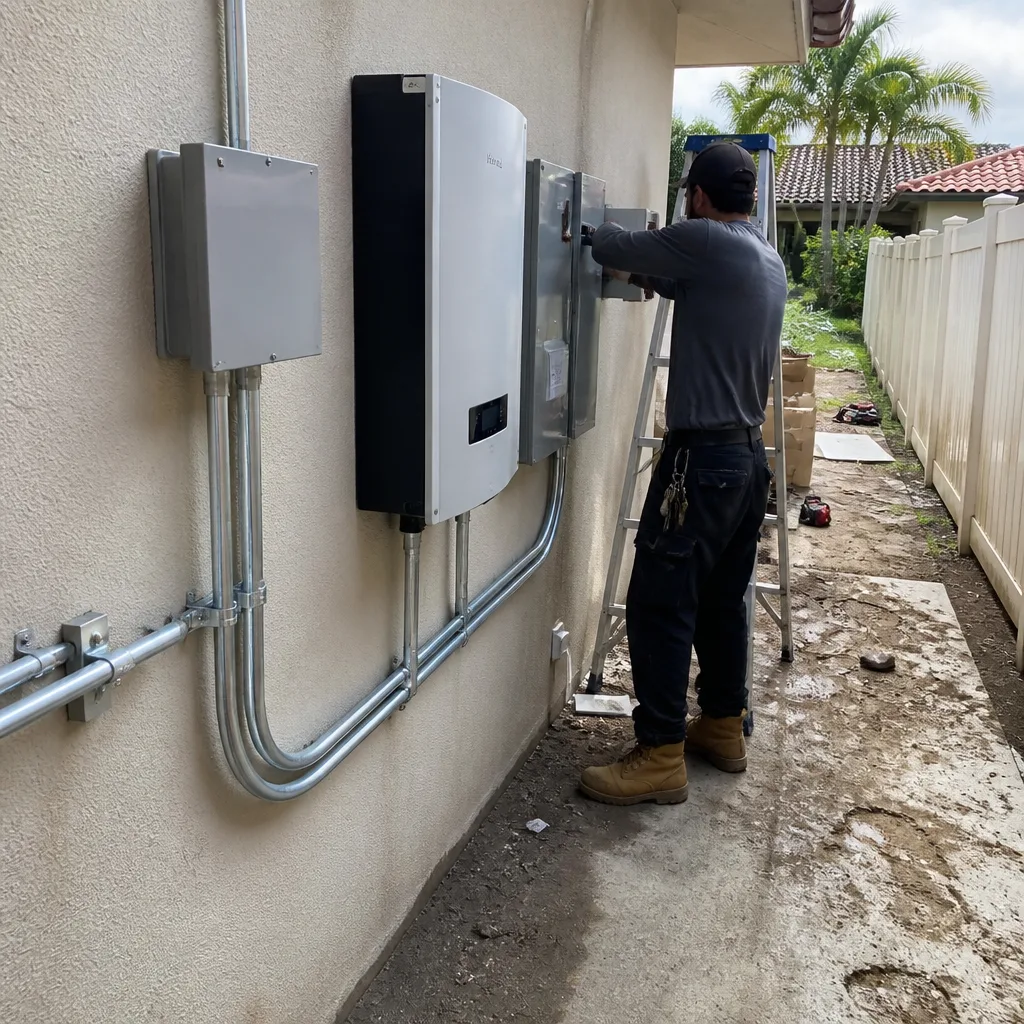
| Water heater replacement (same location, same fuel) | No | N/A | N/A |
| Water heater replacement (different location or fuel type) | Yes | Plumbing and/or Mechanical | $500 minimum |
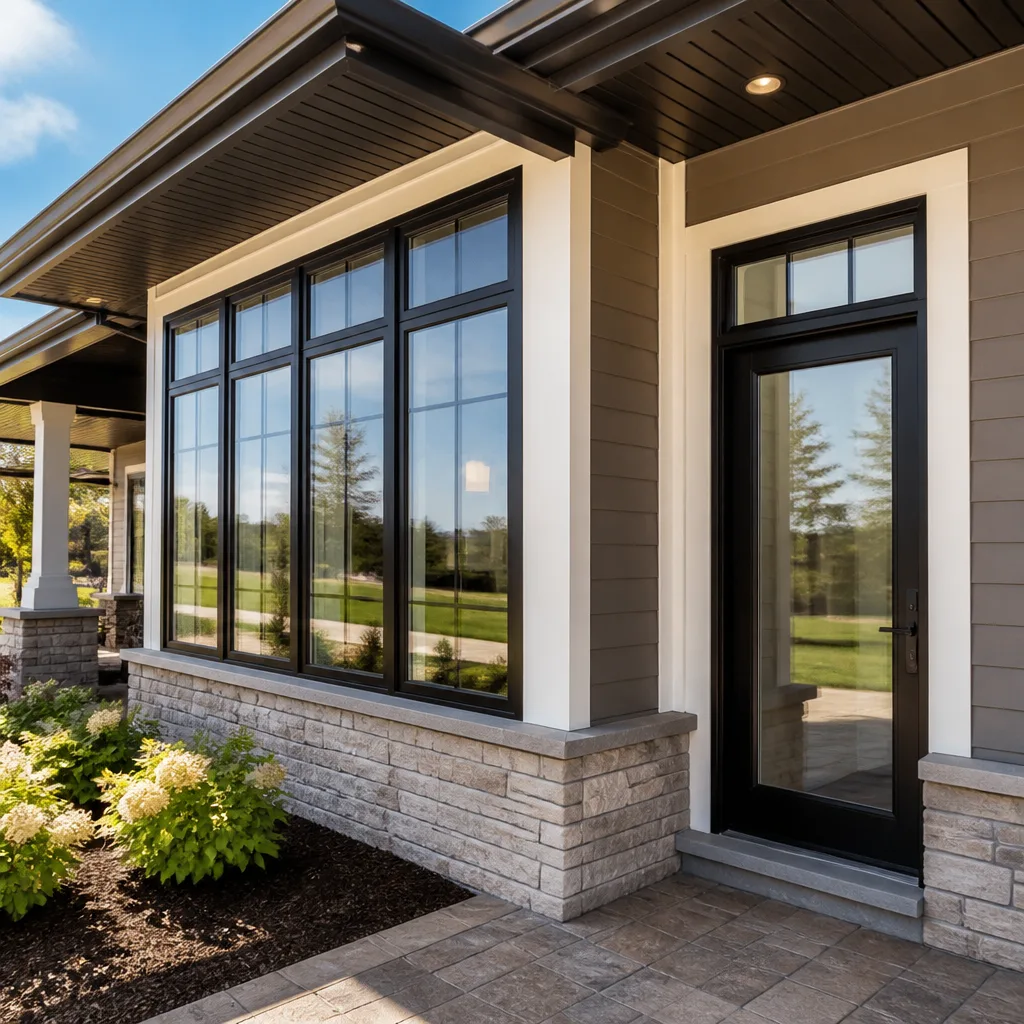
| Window replacement (1-3 units, same size) | Yes | Building | $500-$1,000 |
| Window replacement (4+ units or size change) | Yes | Building | $1,000-$2,500 |
| Exterior door replacement (non-impact to impact) | Yes | Building | $500-$1,000 |
| Roof repair (less than 25% of total area) | No | N/A | N/A |
| Roof replacement or repair exceeding 25% | Yes | Building and Roofing | $1,000-$5,000 |
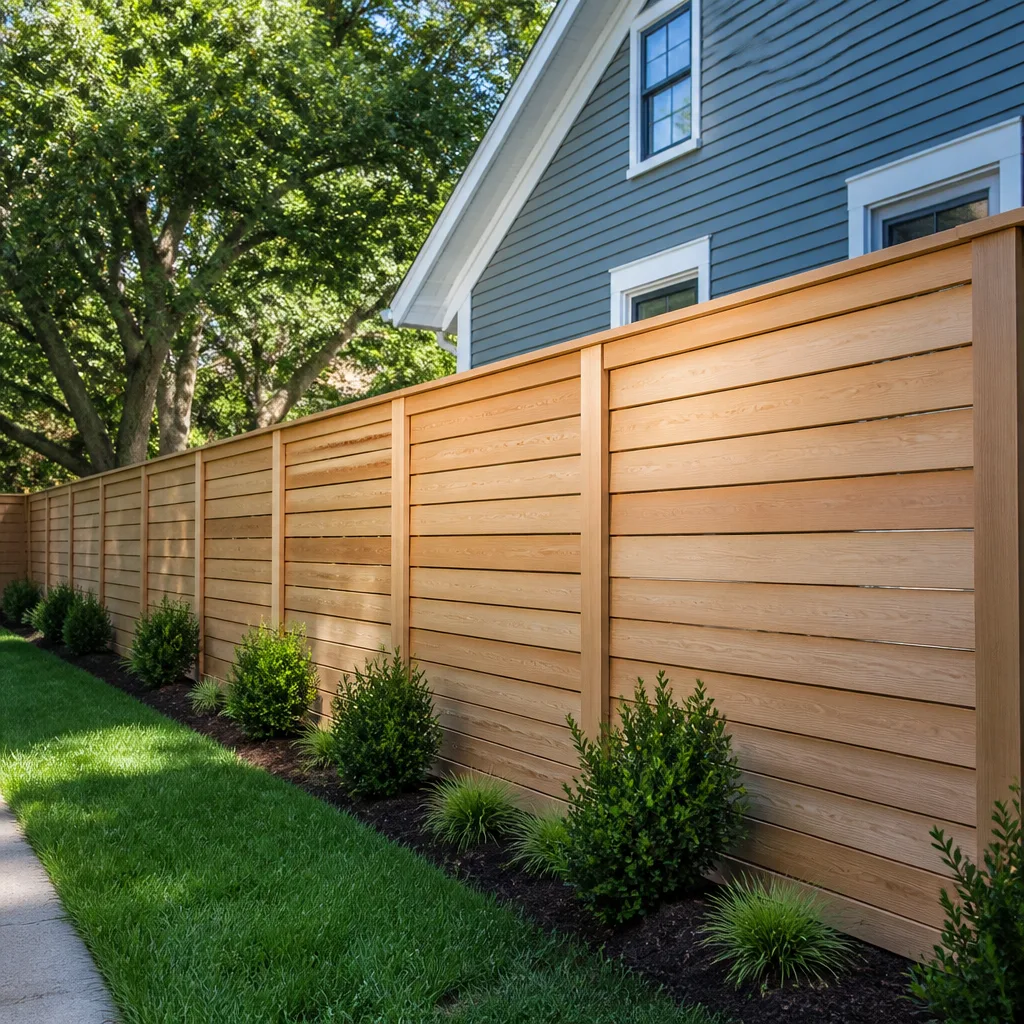
| Fence under 6 feet (wood or vinyl) | No | N/A | N/A |
| Fence 6+ feet or masonry | Yes | Building | $500-$1,000 |
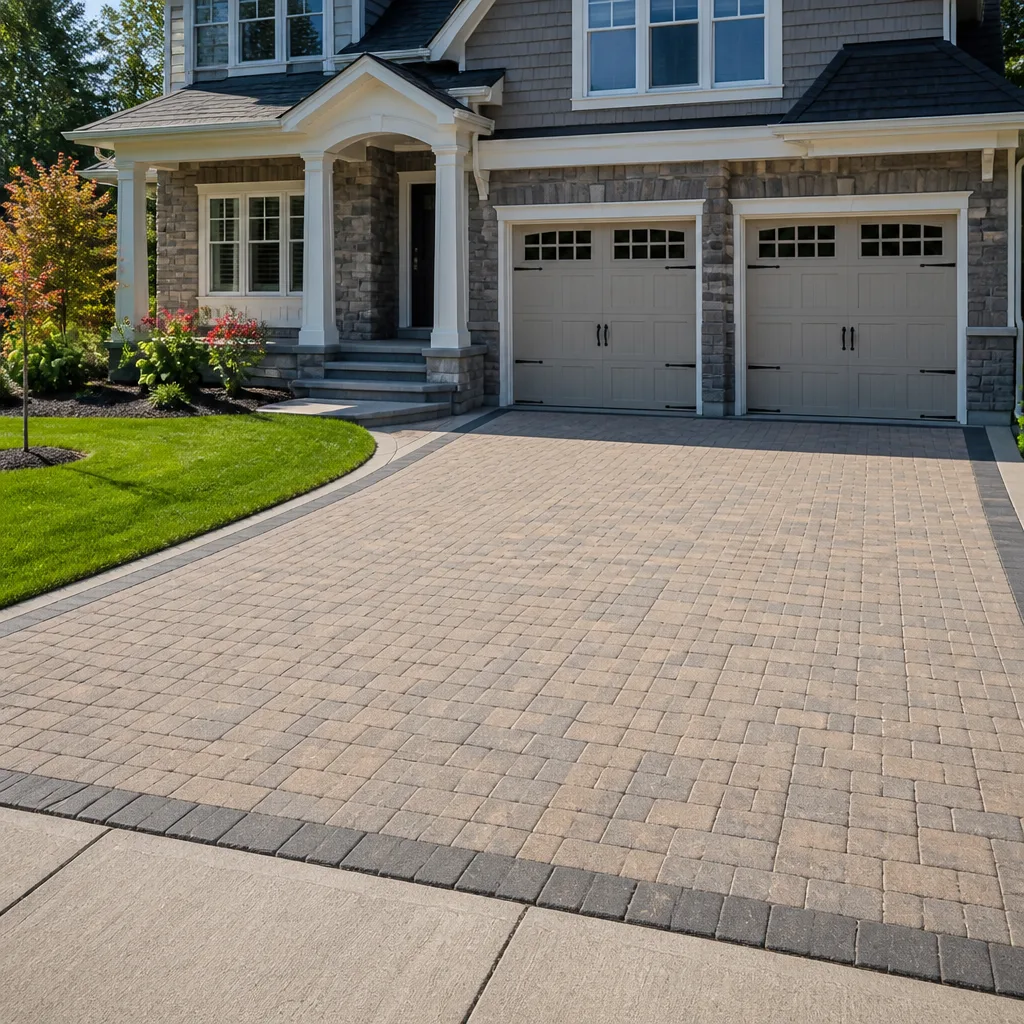
| Driveway/paver installation (no expansion) | No | N/A | N/A |
| Driveway expansion or new curb cut | Yes | Building and ROW | $1,000-$2,500 |
| Kitchen remodel (cosmetic only: cabinets, counters, paint) | No | N/A | N/A |
| Kitchen remodel (wall removal, electrical, plumbing) | Yes | Building, Electrical, Plumbing | $1,000-$5,000 |
| Bathroom remodel (fixture swap, same location) | No | N/A | N/A |
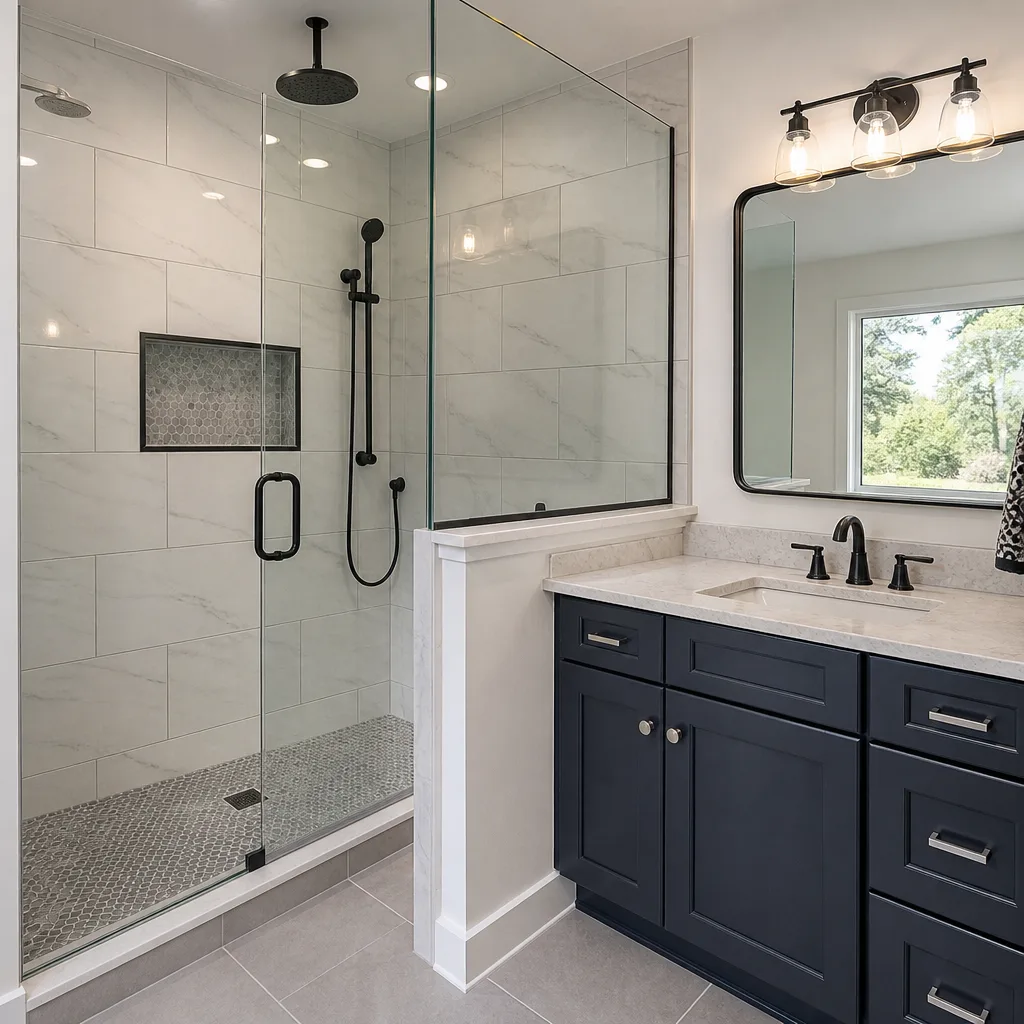
| Bathroom remodel (layout change, new plumbing) | Yes | Building, Plumbing, Mechanical | $1,000-$5,000 |
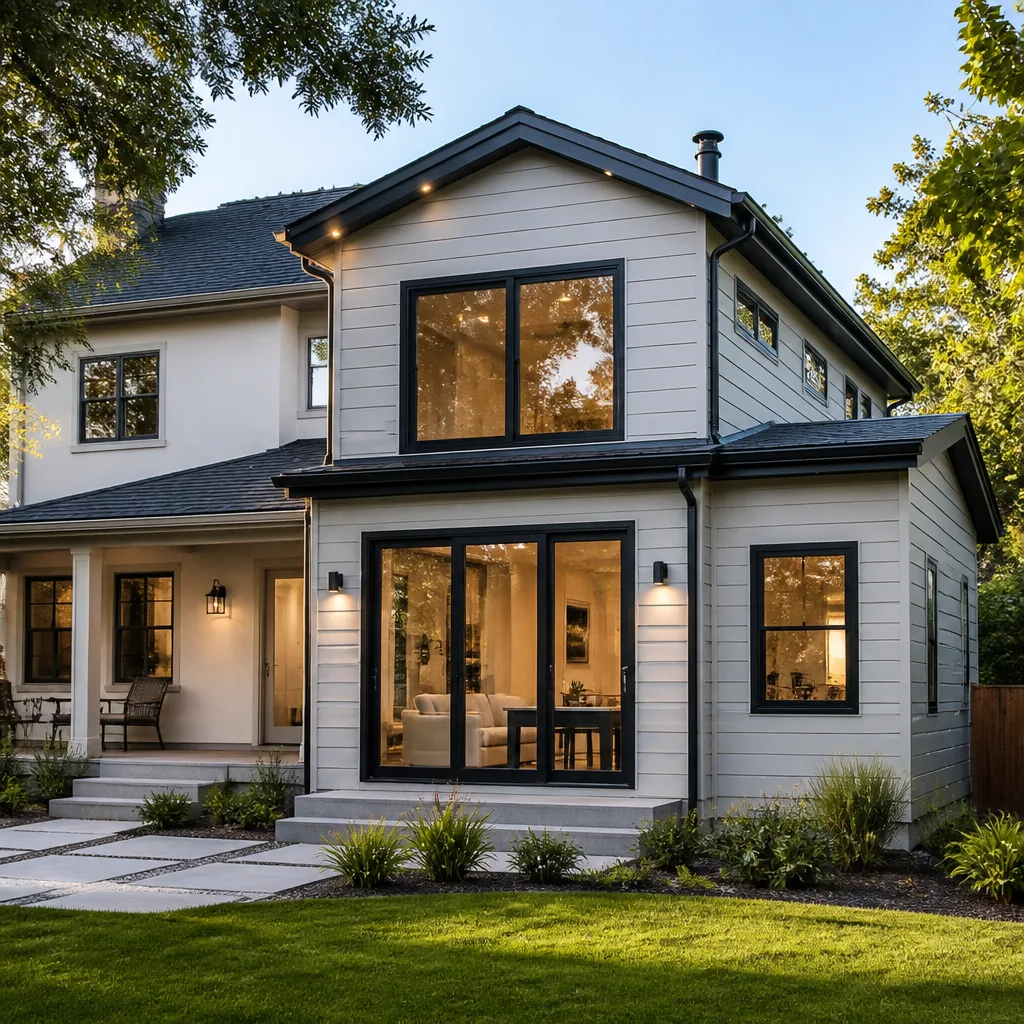
| Home addition under 150 sq ft (shed, sunroom) | Yes | Building | $1,000-$5,000 |
| Home addition over 150 sq ft or ADU | Yes | Building, Zoning, Multiple trades | $2,500-$10,000+ |
| Electrical panel upgrade | Yes | Electrical | $500-$1,000 |
| Generator installation (portable, no permanent connection) | No | N/A | N/A |
| Generator installation (permanent, transfer switch) | Yes | Electrical and/or Mechanical | $1,000-$2,500 |
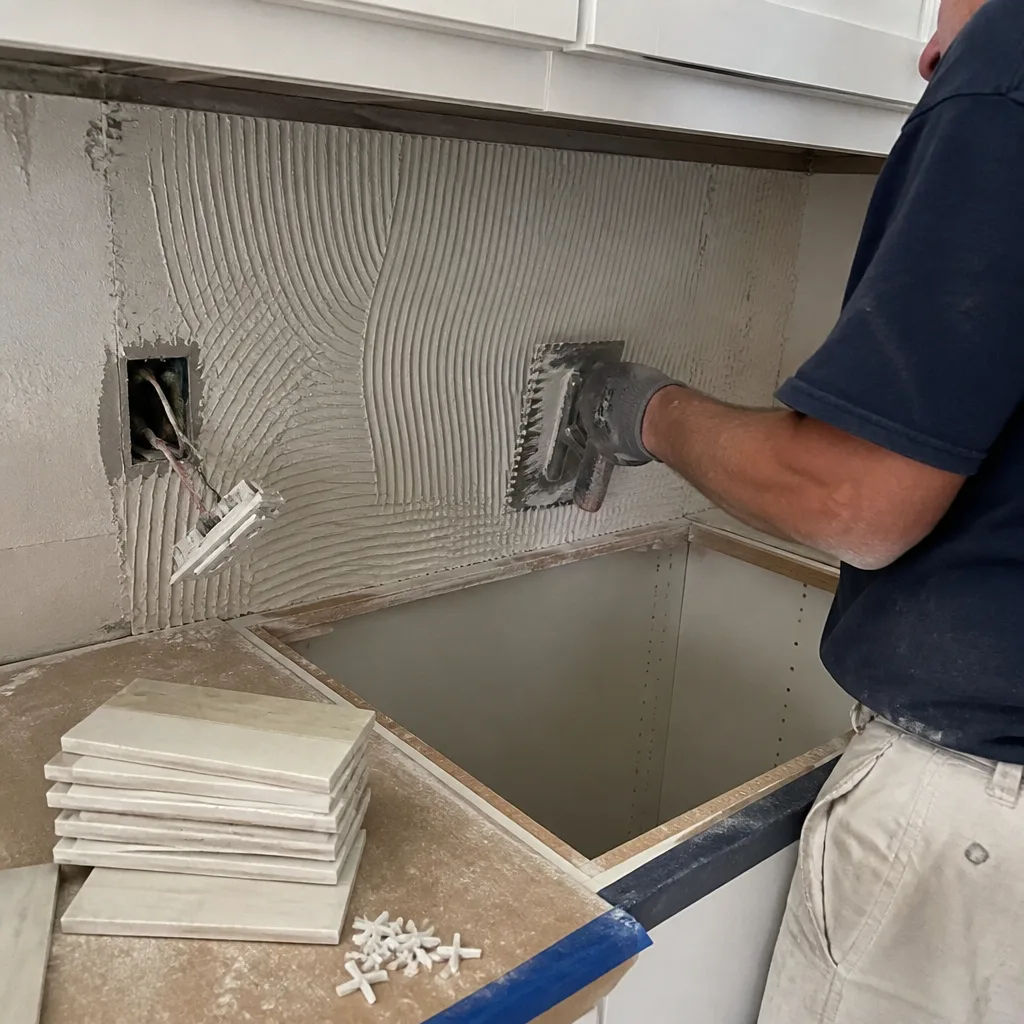
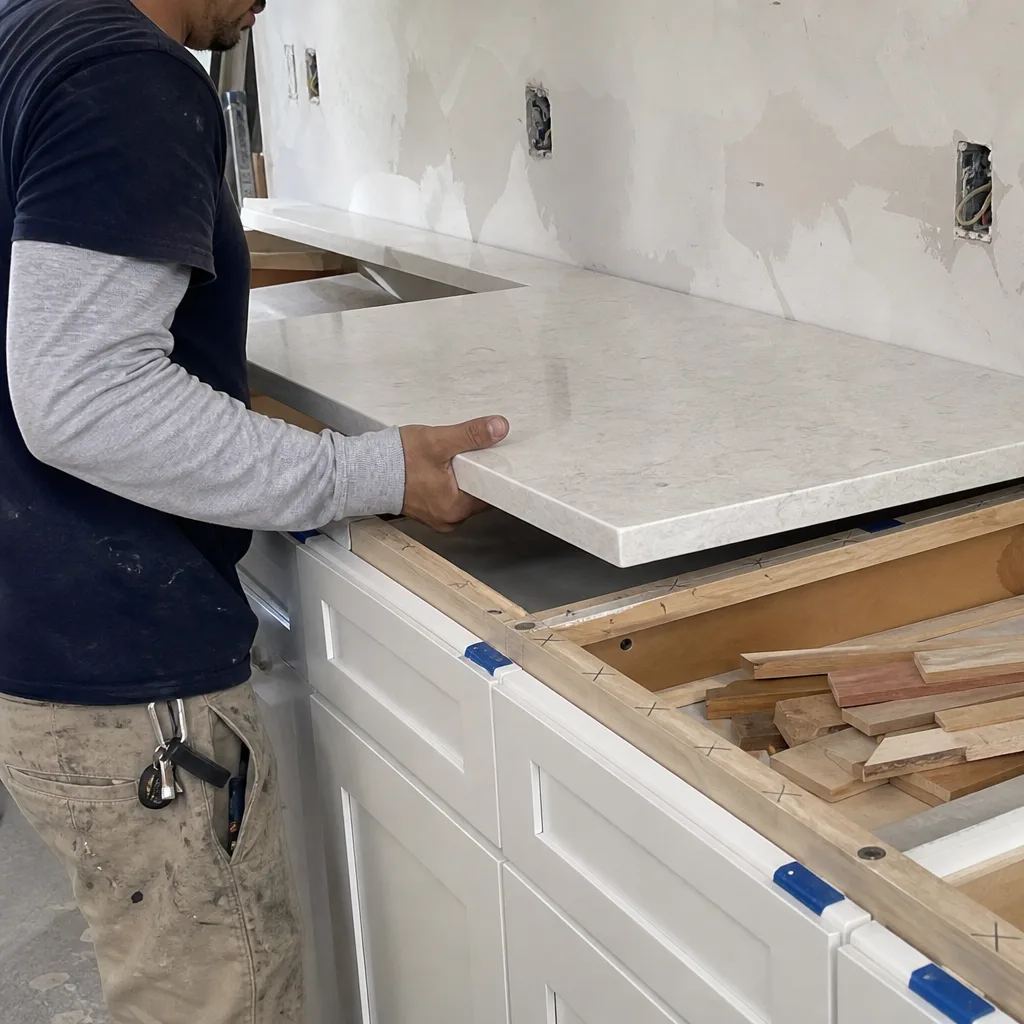
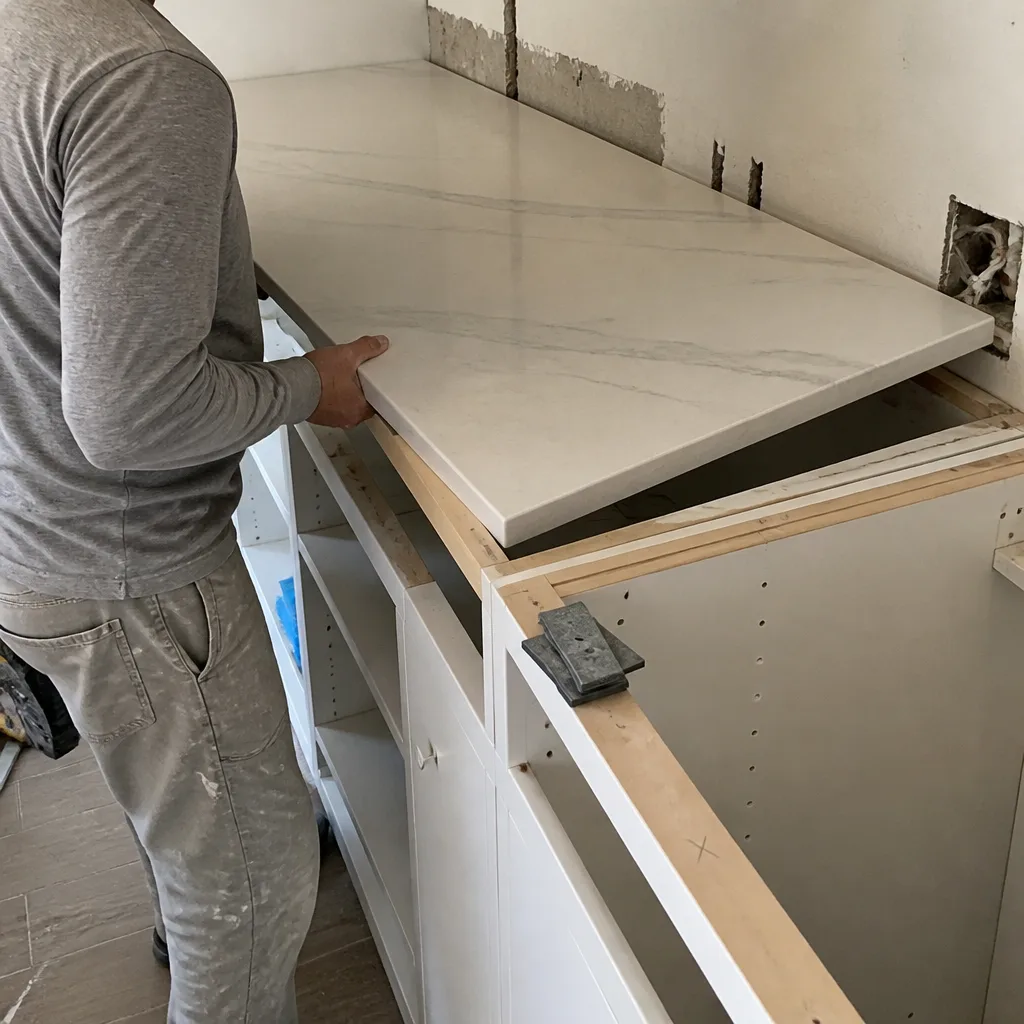
The “cosmetic only” exemption for kitchen and bathroom work trips up many homeowners. Replacing cabinets with KraftMaid or Wellborn units, swapping a countertop for Cambria or Caesarstone, and painting are exempt. Moving a sink drain, adding a pot filler with new supply lines, or removing a wall to open the kitchen - these trigger full permits. We specify in every written quote which scope elements are permit-triggering and which are not, so the homeowner understands the full documentation requirement before work starts.
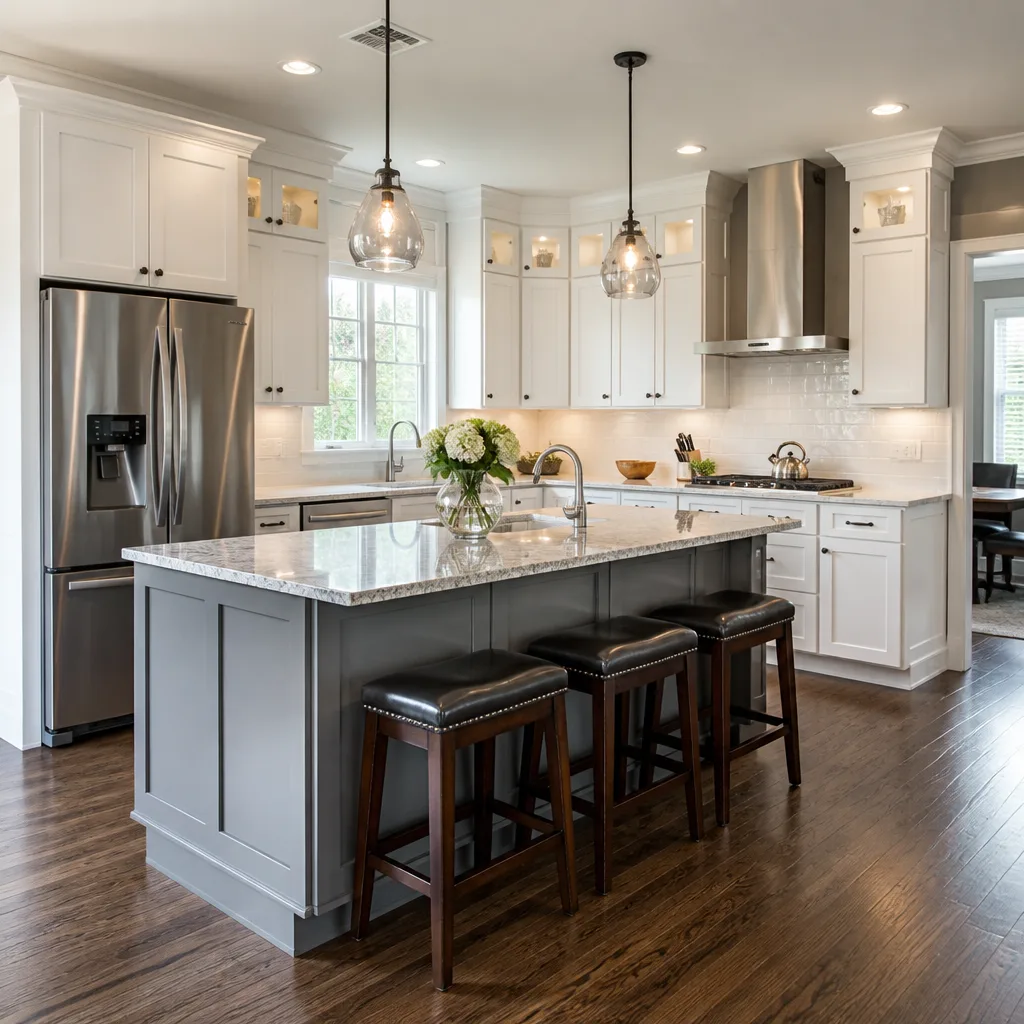
For kitchen remodeling in Miami, the permit threshold is structural or systems modification, not dollar value. A $75,000 cosmetic renovation needs no permit. A $15,000 job moving a gas line for a cooktop does.
How to Track Your Permit Through Miami-Dade’s iBuild Portal
Miami-Dade County migrated permit tracking to the iBuild system in 2021, replacing the older EPERMITS platform. The system is functional but not intuitive, and status codes are not self-explanatory. Homeowners who understand the workflow can avoid the frustration of repeated calls to the building department.
The tracking process:
- Navigate to iBuild.miamidade.gov and create a registered user account. Guest access shows limited information.
- Enter your permit application number (format: BLD-2024-XXXXX for building permits, ELE-2024-XXXXX for electrical, etc.).
- Review the status timeline, which updates in near-real-time as reviewers process submittals.
Critical status codes and their practical meanings:
- Application Received: Payment processed, routing to review queue. No action needed; typical hold 1-3 business days.
- Under Review: Plan examiner assigned. Timeline varies by trade: electrical and mechanical reviews typically complete in 5-10 business days; building and zoning reviews run 10-20 business days for residential projects. This is where NOA mismatches or incomplete structural calculations trigger “corrections required.”
- Corrections Required: The permit cannot advance until the applicant (typically your contractor) uploads revised plans, additional product documentation, or engineer clarifications. This status is the single largest source of delay. We have seen corrections cycles repeat three times when the initial submittal was incomplete.
- Approved for Issuance: All reviews passed. Payment of permit issuance fees is now due. Once paid, the permit is issued and inspections can be scheduled.
- Issued: Work may commence. The issued permit must be posted on-site and visible from the street.
- Inspection Scheduled / Passed / Failed: Tracks each required inspection. Failed inspections require correction and re-inspection, typically with a 24-48 hour rescheduling window.
- Final Approved / CO Issued: All inspections passed, Certificate of Occupancy or Completion issued. Project is legally closed.
The status most homeowners misunderstand is “Approved for Issuance.” This is not the same as “Issued.” The county holds the permit until issuance fees are paid, and some contractors delay this step. Under the Haven Standard, we pay issuance fees immediately upon approval and forward the issued permit to the homeowner within 24 hours, with the inspection schedule attached.
For complex projects - a home addition in Miami or ADU - we recommend homeowners request iBuild access credentials from their contractor. Read-only access lets you track progress without depending on status updates.
The Inspection Sequence for Additions and Remodels: What Triggers a Failure
A typical home addition in Miami-Dade requires five to seven inspections, depending on scope. Each inspection must pass before the next is scheduled; a failure resets the timeline by a minimum of 48 hours, often longer if corrections require re-engaging the engineer or product supplier.
The standard sequence:
- Footing / Foundation: Inspector verifies excavation depth, rebar placement, concrete slump, and elevation relative to flood zone requirements. In Miami’s coastal A and V zones, this includes verification of pile depth or stem wall elevation.
- Slab / Foundation: Post-pour inspection for thickness, reinforcement, and vapor barrier placement.
- Framing: Structural member sizes, connections, hurricane ties, and shear wall nailing patterns are verified against engineered plans. This is where HVHZ fastener schedules are most rigorously checked.
- Rough MEP (Mechanical, Electrical, Plumbing): Systems are inspected before wall closure. Electrical panel location, GFCI protection, plumbing venting, and HVAC duct sealing are verified. For bathroom remodels, this is where Schluter waterproofing membranes and shower pan liners are inspected before tile.
- Insulation / Energy: R-value verification, air sealing, and - for additions - duct leakage testing if HVAC is new.
- Drywall / Lath: Fastener spacing, fire-rated assemblies, and moisture-resistant board in wet locations.
- Final: Completed work verified against approved plans, including operational tests of electrical, plumbing, and mechanical systems. Egress, handrail height, and stair geometry are checked.
Common failure triggers we have encountered:
- Framing: Hurricane clips installed with incorrect nail size or quantity. Miami-Dade requires specific 16d sinkers or SDWC screws at specified spacing; generic “hurricane clips” without installation detail fail.
- Rough Electrical: Arc-fault circuit interrupter (AFCI) protection missing on bedroom circuits. The 8th Edition expanded AFCI requirements; many contractors still wire to 7th Edition standards.
- Rough Plumbing: Shower pan liner not flood-tested for 24 hours before inspection. The inspector will ask for the test log; without it, failure is automatic.
- Final: Approved products substituted without change order or revised NOA submittal. A Toto toilet swapped for a different model with different water consumption may trigger plumbing final failure if the original fixture was specified for WaterSense compliance.
We document each inspection with photos, included as standard in our project record, so homeowners see what passed and what required correction. This documentation becomes valuable at resale, when buyers and their inspectors ask about permit history.
What Unpermitted Work Actually Costs You: Insurance, Fines, and Resale
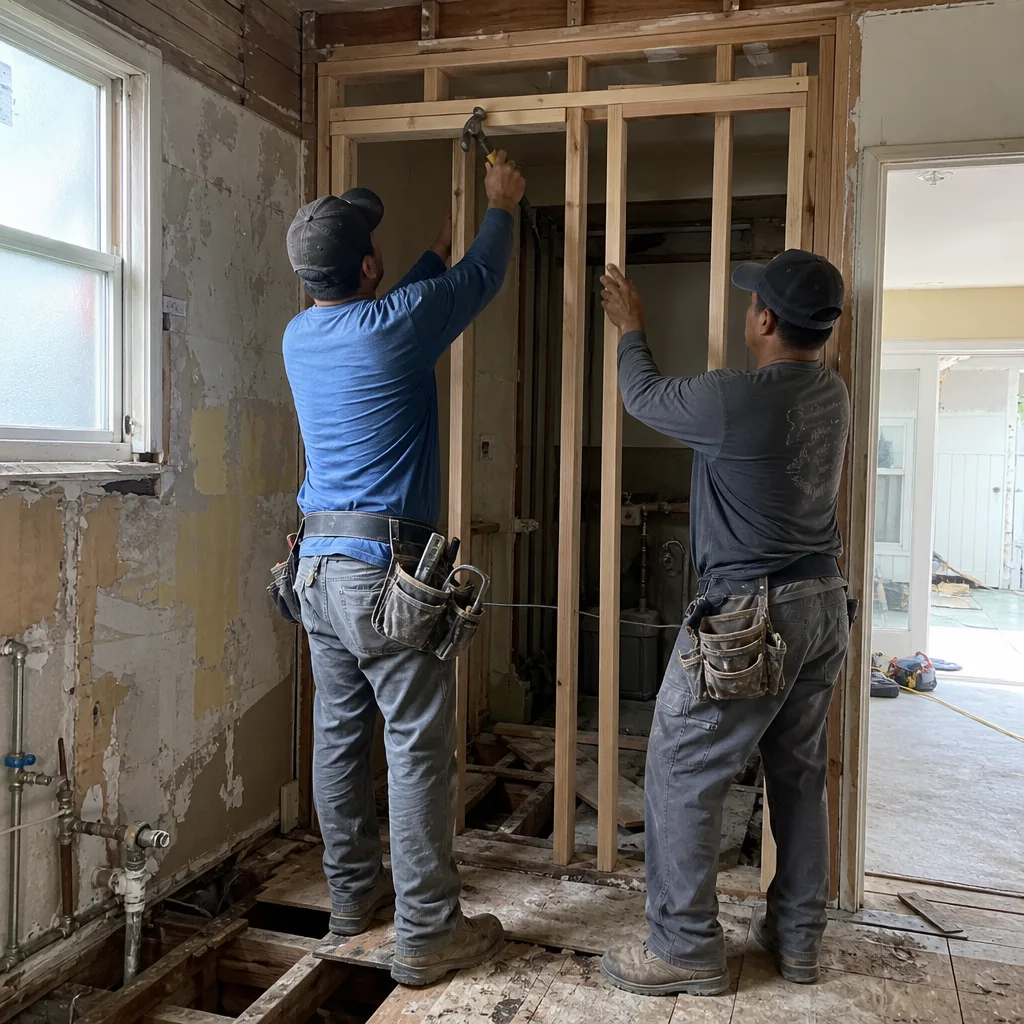
Florida Statute 553.79 makes unpermitted work a violation of state law, not merely a local ordinance issue. The consequences extend beyond municipal fines to insurance coverage and property title.
Fines and enforcement: Miami-Dade’s Code Compliance Department can issue citations with penalties starting at $500 per violation per day for active unpermitted work. For completed work discovered through complaint or resale inspection, the typical initial fine is $500-$2,500, escalating if the owner does not bring the work into compliance. The county can place a lien on the property for unpaid fines.
Insurance claims: Homeowner’s insurance policies in Florida contain provisions allowing denial of claims for damage resulting from unpermitted work. The most common scenario: a kitchen fire traced to unpermitted electrical work. The insurer investigates permit history, finds no record, and denies the claim based on material misrepresentation or policy violation. We have reviewed competitor estimates where homeowners were not informed that electrical work required permitting; the savings evaporate when a claim is denied.
Title and resale: Florida real estate transactions increasingly include permit history verification. Title insurers in Miami routinely require a municipal lien search, which reveals open or expired permits and code violations. Unpermitted additions must be brought into compliance before closing, or the seller must escrow funds for remediation. In a market where Miami homeowners bought at peak prices between 2015 and 2025, a $15,000 permit compliance hit at closing is a material reduction in net proceeds.
The remediation path for unpermitted work is not simply “get a permit after the fact.” Miami-Dade may require partial demolition to expose framing, MEP, and insulation for inspection. The cost of retroactive compliance typically exceeds the original permit and inspection fees by a factor of three to five.
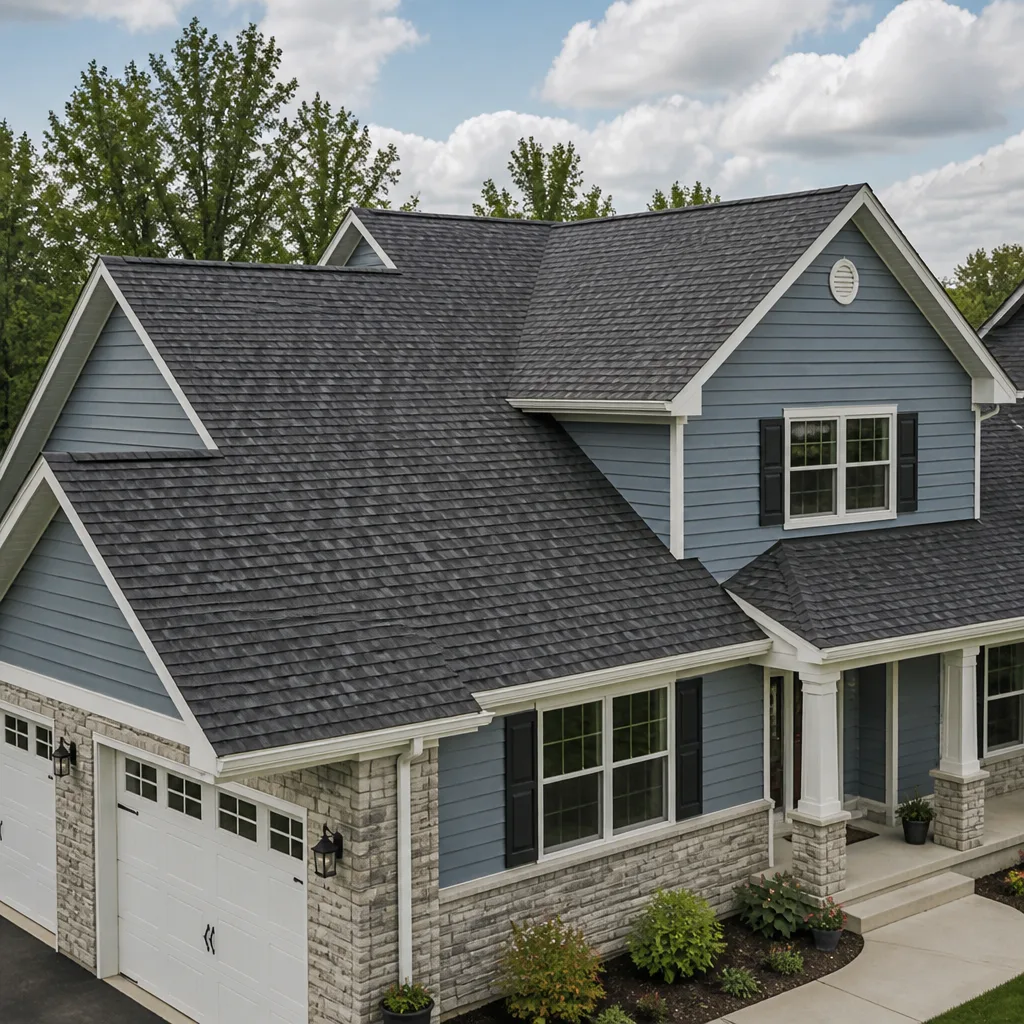
For roofing in Miami, the stakes are particularly high. Unpermitted roof replacement voids manufacturer warranties and can trigger full denial of windstorm claims. GAF and Owens Corning both require permit documentation for warranty registration; the NOA must match the installed product and the permit must show final approval.
Permit Costs and Realistic Timelines in Miami
Permit fees in Miami-Dade are calculated on a valuation basis, with minimums per trade. The table below reflects 2024 fee schedules for typical residential projects.
| Project Type | Estimated Valuation | Building Permit Fee | Trade Permits (Electrical/Plumbing/Mechanical) | Plan Review Fee | Total Permit Cost |
|---|---|---|---|---|---|
| Window replacement (3 units) | $4,500 | $180-$220 | N/A | $90-$110 | $270-$330 |
| Bathroom remodel (layout change) | $18,000 | $360-$450 | $180-$270 | $180-$225 | $720-$945 |
| Kitchen remodel (wall removal, electrical) | $45,000 | $720-$900 | $270-$360 | $360-$450 | $1,350-$1,710 |
| Home addition (400 sq ft) | $120,000 | $1,800-$2,400 | $540-$720 | $900-$1,200 | $3,240-$4,320 |
| ADU (600 sq ft) | $180,000 | $2,700-$3,600 | $720-$900 | $1,350-$1,800 | $4,770-$6,300 |
| Roof replacement (2,000 sq ft) | $25,000 | $500-$650 | N/A | $250-$325 | $750-$975 |
Timeline expectations, from application to final approval:
- Simple permits (window replacement, electrical panel): 2-4 weeks
- Moderate complexity (bathroom remodel, kitchen remodel with structural changes): 4-8 weeks
- High complexity (addition, ADU): 8-16 weeks, with zoning review often the longest pole
These timelines assume complete initial submittals. Each corrections cycle adds 2-4 weeks. We have learned to front-load documentation - engineer stamps, product approvals, energy calculations - to minimize review rounds. The written quote includes a realistic timeline with permit duration estimated separately from construction duration, so homeowners understand that “8 weeks to completion” means 4 weeks of permit and 4 weeks of build, not 8 weeks of build starting tomorrow.
For bathroom remodeling in Miami, we specify whether the scope triggers permitting and include the permit fee in the written price. No surprise add-ons at issuance.
Common Mistakes to Avoid
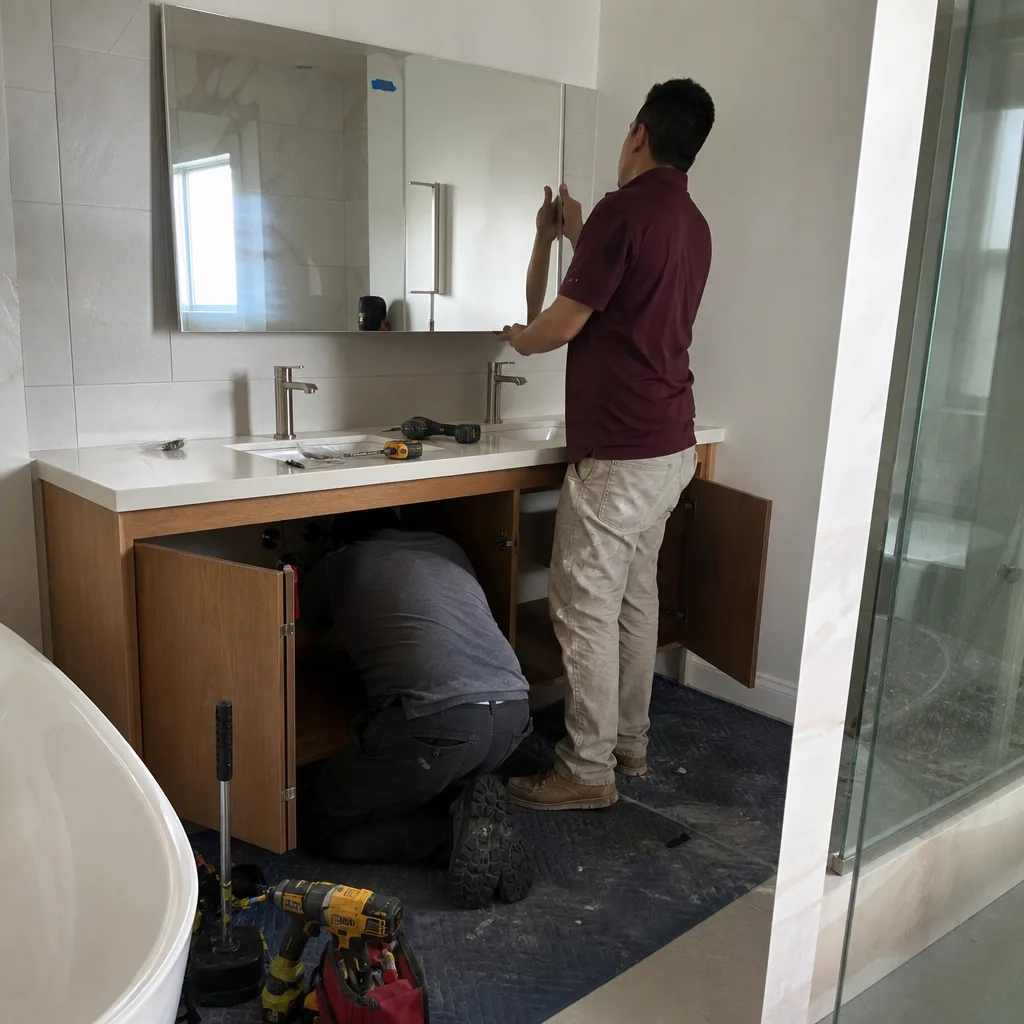
- Assuming “FBC-compliant” means “permit-ready in Miami.” Florida Product Approval is necessary but not sufficient for HVHZ installation. Always verify the NOA.
- Hiring a contractor who says “we’ll pull the permit after we start.” Work cannot legally begin before permit issuance. Post-dated permits expose the homeowner to fines and stop-work orders.
- Accepting a verbal price without written scope. The scope document determines what the permit application covers. A vague scope leads to permit amendments, which trigger fees and delays.
- Ignoring flood zone requirements in coastal Miami neighborhoods. Properties in A, AE, and V zones have elevation and venting requirements that standard plans do not address. Elevation certificates must be current.
- Substituting products after permit issuance without amendment. The installed product must match the approved plans and submitted NOA. Even a “comparable” window from the same manufacturer can fail final inspection if the model number differs.
- Failing to schedule inspections within the permit validity period. Miami-Dade permits expire 180 days after issuance if no inspection is recorded, and 180 days after the last approved inspection. Expired permits require reapplication and new fees.
When to Call a Professional
Permit strategy is not a DIY exercise in Miami’s layered regulatory environment, as our DIY vs Professional Construction: The Miami Homeowner’s Decision Guide explores in depth. The point at which professional guidance becomes essential is earlier than most homeowners assume - specifically, before the written quote is accepted, not after permit problems emerge.
Call a licensed contractor when the project involves structural modification, MEP systems, or HVHZ-rated products. Call when the property is in a flood zone, a historic district, or a municipality with design review. Call when the scope crosses multiple trades and the permit sequencing affects the construction schedule. For help selecting the right professional, see How to Hire a Construction Contractor in Miami: A Step-by-Step Guide.
Rowan Construction Group Miami offers free estimates in Miami - call (786) 321-4970. Every estimate includes permit requirement identification, realistic timeline projection, and a written price before any work starts. We also provide a Free Second Opinion on any written estimate from another contractor, reviewed line by line against the actual code requirements your project faces.
Frequently Asked Questions
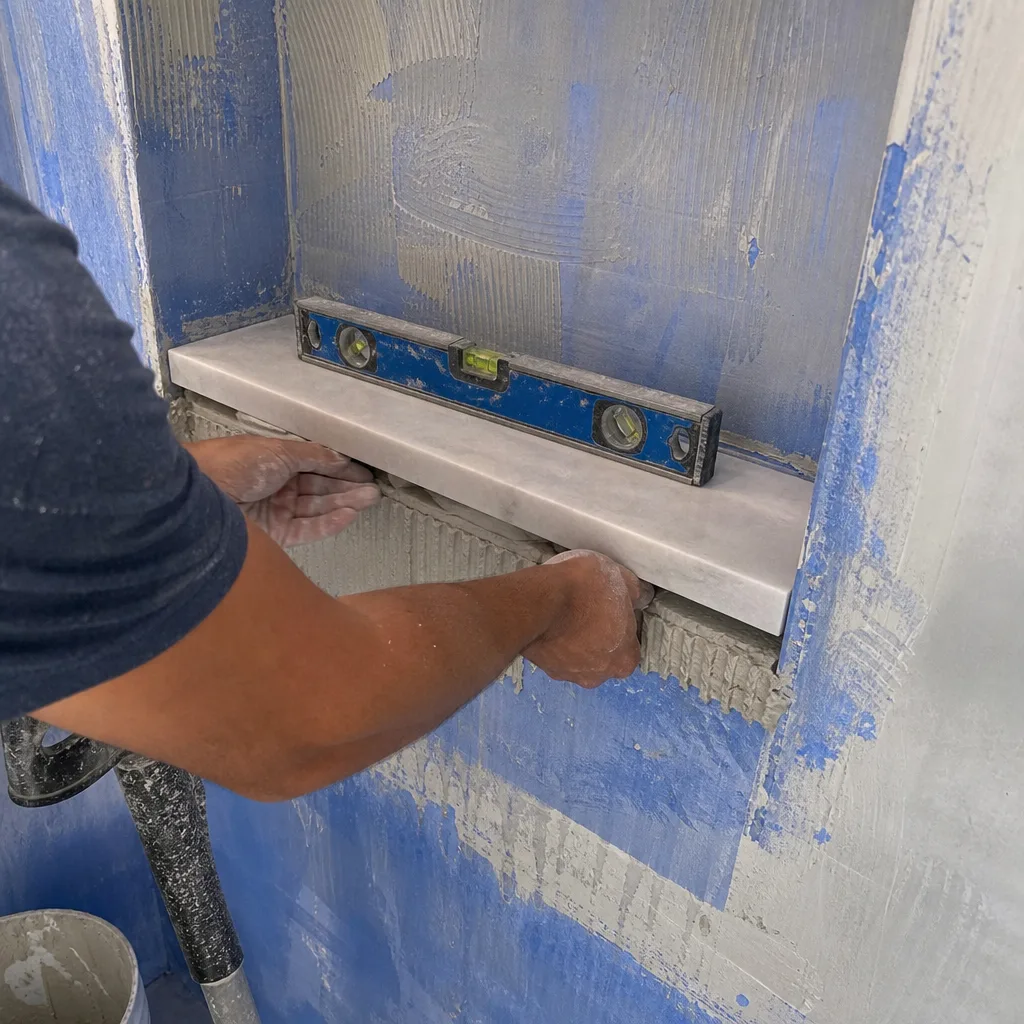
A kitchen remodel permit in Miami-Dade typically costs $720 to $1,710, depending on project valuation and whether electrical, plumbing, or mechanical trade permits are triggered. The building permit itself runs $360-$450 for a $45,000 valuation, with plan review fees adding $180-$225 and trade permits adding $270-$360. Call (786) 321-4970 for a written quote with permit costs itemized - estimates are free.
No. Under the Haven Standard, no work proceeds on a change until the change order is signed. If permit corrections require scope changes, we document the change, price it, and obtain your signature before any additional work begins. This discipline has kept Rowan’s projects within a few percent of the agreed price across 4,000-plus jobs since 2007.
We pull all permits as part of our standard process. The permit application is submitted under Rowan Construction Group’s contractor license, with the homeowner listed as property owner. You receive copies of all applications, approvals, and inspection results through our documented photo record system.
A home addition permit in Miami-Dade typically takes 8 to 16 weeks from complete application to issuance, with zoning review often the longest phase. Complex projects in flood zones or historic districts may extend toward 20 weeks. We front-load engineering and product documentation to minimize review cycles. The written quote separates permit timeline from construction timeline so you understand the full duration before committing.
The inspector issues a correction notice specifying the deficiency. Your contractor makes corrections and schedules a re-inspection, typically within 48 hours. Each failure resets the timeline and may incur additional inspection fees. We minimize failures by pre-inspecting our own work against the approved plans and NOA requirements before calling the county inspector.
You can list it, but you may not close cleanly. Title insurers and buyer lenders increasingly require permit verification. Unpermitted work must be brought into compliance, often requiring partial demolition and reconstruction, or the seller must escrow funds for remediation. Florida Statute 553.79 provides the legal framework for enforcement. The cost of retroactive compliance typically exceeds original permit fees by 300-500%.
The Bottom Line
Florida’s construction permit system is a stack, not a single rulebook. The Florida Building Code sets the floor, Miami-Dade County adds the nation’s strictest hurricane requirements through the NOA system, and individual municipalities layer zoning and design review on top. For related more guides & resources on navigating this system, visit our blog. Homeowners who understand this stack - who verify product approvals at the quoting stage, track permits through iBuild, and schedule inspections within validity periods - avoid the fines, delays, and resale complications that unpermitted work creates.
The documentation matters as much as the construction. Written scopes, signed change orders, approved permits, and passed inspections form the record that protects your investment. That is the discipline Rowan Construction Group has applied since 2007, across 4,000-plus projects, with a written price before any work starts and a 365-Day Done Right Promise printed on every page.
Call (786) 321-4970 to schedule your free estimate. Bring a competitor’s written quote and we will review it line by line at no charge.
Written by Grant Rowan, Owner at Rowan Construction Group Miami, serving Miami since 2007.